The Science Behind Fast-Food Loyalty: How Beverage Design Became McDonald’s Competitive Advantage
From engineering fountain systems to optimizing customer experience, every design decision helps transform an ordinary soft drink into one of the brand's strongest loyalty drivers.

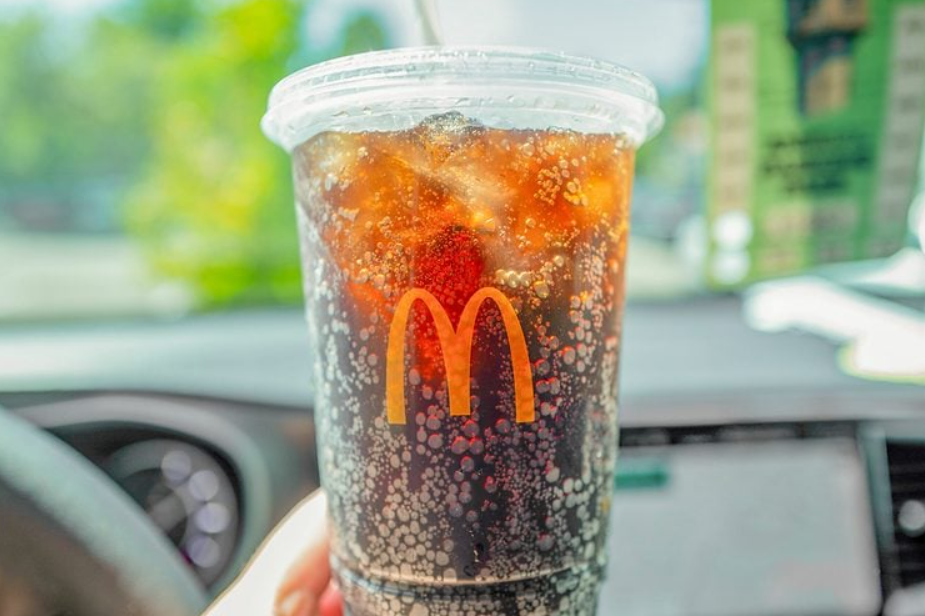
In the highly competitive fast-food industry, product differentiation no longer depends solely on menu variety or pricing. Increasingly, brands are investing in the smallest details of the customer experience to create memorable moments that strengthen loyalty. One of the most interesting examples is McDonald's fountain Diet Coke, which has developed a reputation among consumers for delivering a noticeably different drinking experience compared with similar beverages served elsewhere.
Although the beverage itself is produced by Coca-Cola, McDonald's has spent decades refining every operational stage involved in serving it. Rather than relying on a unique recipe, the company focuses on engineering precision, quality control, and consistency throughout the preparation process. This operational philosophy demonstrates how execution can become just as valuable as the product itself.
Temperature management is one of the most significant factors contributing to the beverage's perceived quality. Before reaching customers, both the water and beverage syrup are stored at low temperatures before being combined inside the fountain system. This process allows carbon dioxide to remain dissolved for longer periods, preserving carbonation and creating a noticeably crisper drinking experience from the first sip.
Water quality also plays a strategic role. Since fountain beverages are primarily composed of water, filtration systems are carefully maintained to deliver consistent taste regardless of restaurant location. Standardizing water quality minimizes regional variations and allows customers to expect nearly identical flavor profiles across different markets.
Another important engineering decision involves syrup calibration. Rather than preparing beverages at a fixed concentration, the mixing ratio is intentionally designed to account for gradual ice melting after serving. As the ice slowly dilutes the drink, the beverage maintains a balanced flavor profile instead of becoming noticeably weaker during consumption. This subtle adjustment significantly improves customer satisfaction throughout the entire drinking experience.
Packaging design further supports the sensory experience. McDonald's uses relatively wide drinking straws that increase beverage flow while simultaneously enhancing the amount of aroma reaching the consumer. Since human taste perception depends heavily on smell, this seemingly minor design choice amplifies flavor intensity without changing the beverage formula itself.
These operational refinements illustrate an important principle in product design: exceptional customer experiences often result from numerous small improvements working together rather than one revolutionary innovation. Each individual adjustment may appear insignificant, but collectively they create a product experience that consumers recognize and remember.
From a business perspective, these decisions generate measurable commercial value. A highly recognizable beverage experience strengthens customer retention, encourages repeat visits, and differentiates the brand within an industry where competitors frequently offer similar menus. Consumers may even choose a restaurant specifically to purchase a beverage, demonstrating how operational excellence can become a direct revenue driver.
Brand identity also benefits from this approach. McDonald's has consistently positioned itself as a company capable of delivering reliable experiences regardless of geographic location. Consistency builds trust, while memorable product experiences reinforce emotional connections between customers and the brand. Over time, these positive associations become valuable intangible assets that competitors find difficult to replicate.
The strategy reflects broader trends across the global restaurant industry. Modern food-service companies increasingly recognize that competitive advantage extends beyond recipes into engineering, process optimization, sensory design, digital operations, and customer psychology. Every interaction contributes to overall brand perception.
Furthermore, the widespread discussion surrounding McDonald's Diet Coke illustrates the power of organic consumer advocacy. Social media conversations, online recommendations, and customer-generated content have transformed an everyday beverage into a recognizable element of the company's global identity without relying exclusively on traditional advertising campaigns.
The company's approach also demonstrates how operational excellence supports long-term profitability. Investments in equipment calibration, maintenance, filtration systems, and standardized preparation procedures require resources, but they also reduce variability and improve customer confidence. Greater consistency often translates into stronger repeat business and higher lifetime customer value.
Ultimately, the success of McDonald's beverage strategy highlights an important lesson for businesses across industries. Sustainable competitive advantage frequently emerges from perfecting everyday experiences rather than introducing dramatic innovations. By combining engineering precision, customer-focused design, and operational consistency, the company has transformed a standard fountain soft drink into a powerful symbol of its brand identity and one of the strongest contributors to consumer loyalty.
News You Should See
2026 Nobel Medicine Prize Honors Scientists Behind Optogenetics Breakthrough
Oil Prices Edge Lower as Stronger Middle East Exports and G7 Reserves Ease Supply Concerns
Trump Offers U.S. Assistance to Russia After Death at Siberian Plague Research Institute
Trump Takes Economic Message to Nebraska as GOP Faces Rising Cost-of-Living Pressure
U.S. Appeals Court Weighs Trump Administration’s $2.6 Billion Harvard Funding Fight
U.S. Midterm Elections Begin With Resilient Jobs Market and Persistent Cost Pressures
Latest News
The 2026 Nobel Prize in Physiology or Medicine honors Karl Deisseroth, Peter Hegemann and Georg Nagel for pioneering research behind optogenetics and its impact on neuroscience.
Oil prices edged lower as stronger Middle Eastern exports and a planned G7 release of 100 million barrels eased immediate supply concerns, while Gulf security risks and the Strait of Hormuz kept markets alert.
President Donald Trump said the United States would help Russia if needed after a laboratory worker died at a Siberian plague research institute, as Russian authorities imposed precautionary quarantine measures.
Trump’s Nebraska campaign stop highlights rising fuel and grocery costs, beef prices and growing economic pressure on Republicans ahead of the November midterm elections.
A U.S. appeals court is reviewing the Trump administration’s effort to cut Harvard’s federal research funding, with more than $2.6 billion at stake.
The U.S. enters the 2026 midterm elections with unemployment at 4.2%, while higher living and energy costs create economic pressure for households and businesses.
US services growth eased in September as input prices climbed to their highest level since July 2022, with fuel costs, supply-chain disruptions and strong demand increasing pressure on businesses.
Rising Treasury yields are increasing U.S. borrowing costs as Washington manages record debt, persistent inflation and strong economic demand, narrowing its policy options.
A EGP 16 million corporate partnership will establish and equip a bone marrow transplant unit at Cairo’s Coptic Hospital, supporting access to specialized treatment for patients.