The Grand Egyptian Museum: Egypt’s Gateway to the Future
A historic opening that redefines Egypt’s global image, blending heritage with innovation

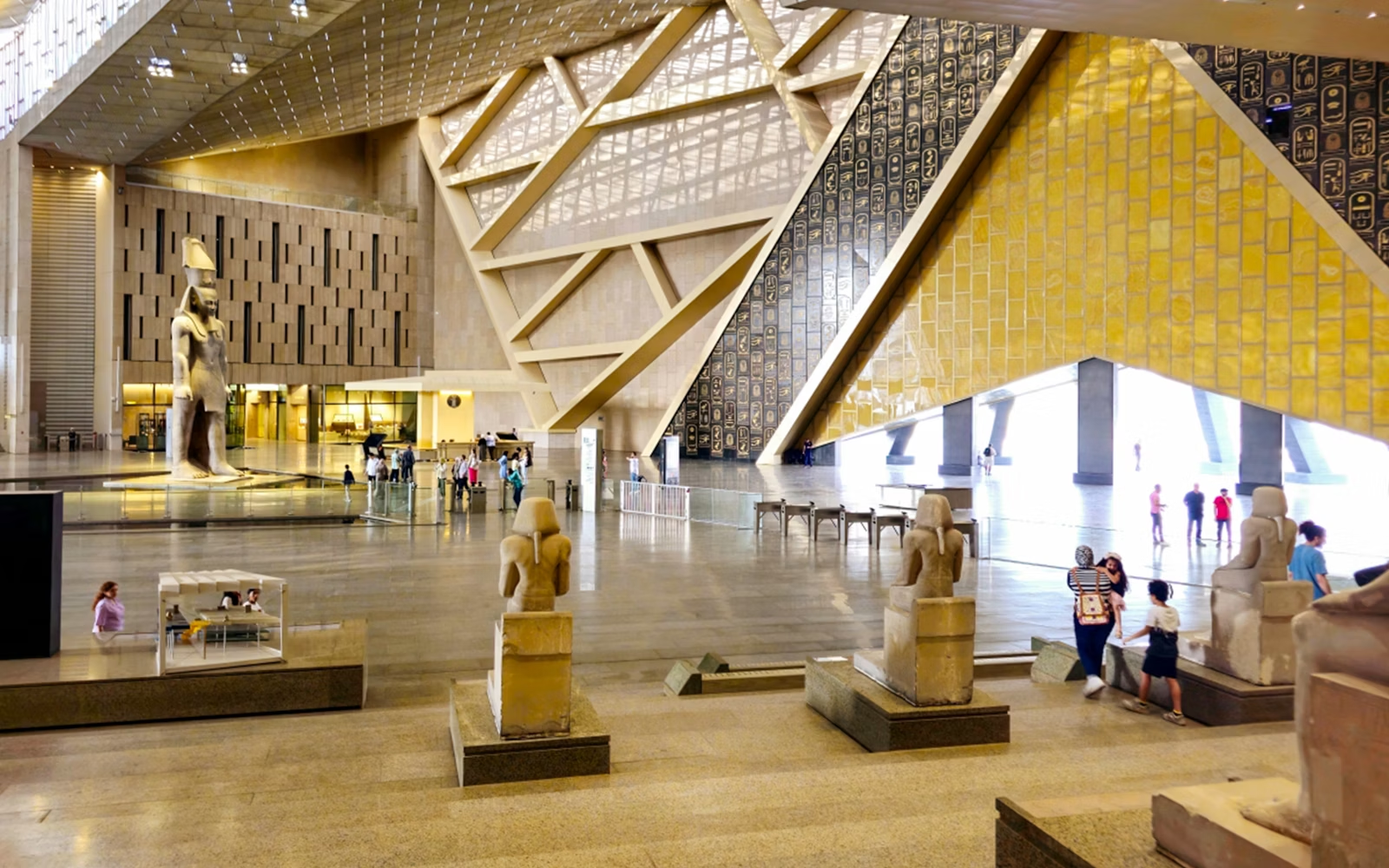
The Grand Egyptian Museum: A Sustainable Landmark Ready for a Historic Opening Reflecting Egypt’s Green Transformation Vision
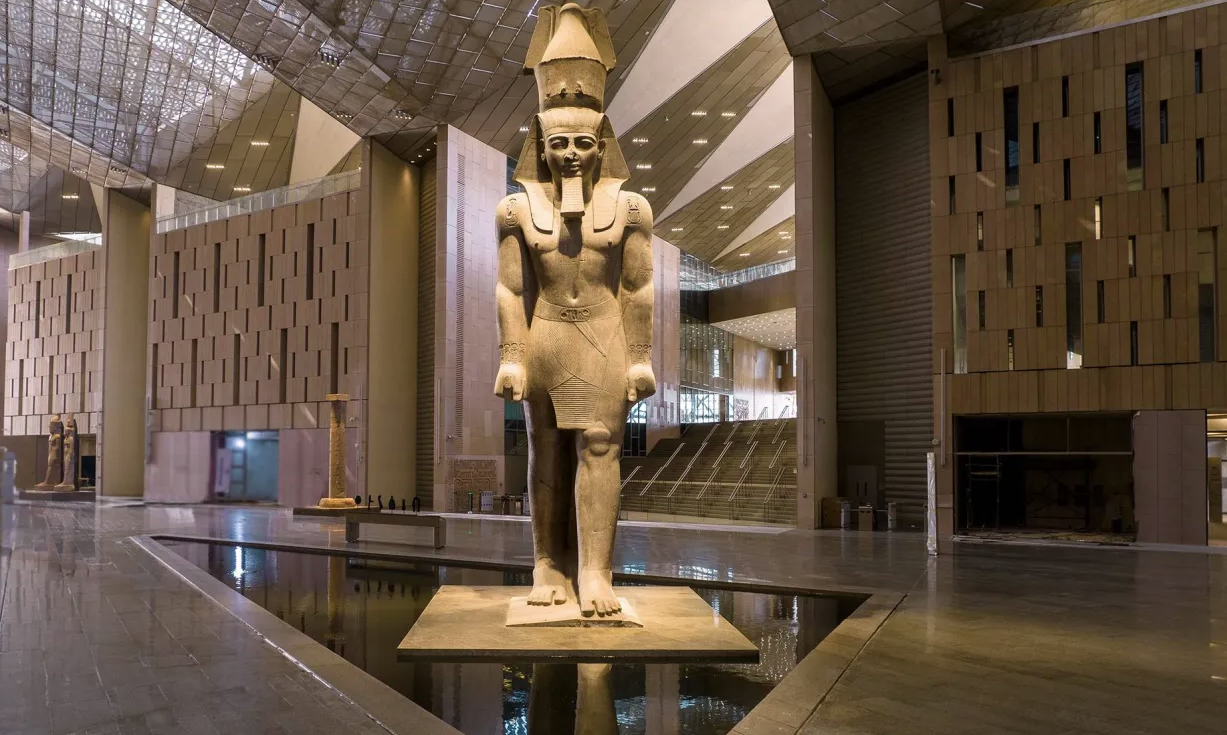
As the world turns its eyes toward Egypt ahead of the long-awaited grand opening of the Grand Egyptian Museum (GEM) — the largest museum in the world dedicated to a single civilization — the nation prepares to deliver a historic message of cultural pride and environmental consciousness.
This global event underscores Egypt’s leadership in merging heritage with sustainability, aligning with the Egypt Vision 2030, which places environmental protection and sustainable development at the heart of its national agenda.
An Eco-Friendly Masterpiece: Egypt’s Model for Sustainable Urban Development
The Grand Egyptian Museum (GEM) stands as a global example of sustainable architecture, designed and operated according to the highest international environmental standards.
According to Dr. Manal Awad, Minister of Local Development and Acting Minister of Environment, the museum “marks a new milestone in integrating environmental values into cultural development,” with all construction and operational stages ensuring reduced carbon emissions and reliance on clean energy systems.
The operational plan includes the use of electric transportation, advanced waste management systems, and public awareness initiatives promoting environmental responsibility.
Thus, the museum is not only a cultural celebration but also a global environmental statement — reaffirming Egypt’s commitment to achieving carbon neutrality and advancing sustainable development goals under the Egypt Vision 2030 framework.
An Architectural Marvel Blending Heritage and Green Innovation
From its earliest design stages, the Grand Egyptian Museum (GEM) was envisioned as a fusion of ancient Egyptian architectural grandeur and modern eco-friendly technology — a masterpiece bridging heritage with innovation.
The museum was constructed using locally sourced, sustainable materials to minimize its carbon footprint, while incorporating smart energy and water efficiency systems powered primarily by solar energy.
Comprehensive systems for waste management and recycling have been implemented, alongside expanded green spaces that enhance air quality and reduce heat impact.
The GEM proudly holds the EDGE Advanced Green Building Certification from the International Finance Corporation (IFC) — making it the first cultural institution in Africa and the Middle East to achieve this prestigious sustainability recognition.
Dr. Manal Awad emphasized that the museum is “not only a sanctuary of history but also an architectural embodiment of Egypt’s commitment to a green and sustainable future.”
Governmental Coordination and the Environmental Protocol
As part of Egypt’s national vision for sustainable development, the Grand Egyptian Museum (GEM) stands as a model of cross-ministerial collaboration — led by the Ministry of Tourism and Antiquities, the Ministry of Environment, and the Ministry of Electricity and Renewable Energy, in partnership with the United Nations Development Programme (UNDP) and the International Finance Corporation (IFC).
This partnership ensures the museum’s full compliance with the highest international standards of environmental efficiency and carbon neutrality.
The museum’s Environmental Protocol outlines a comprehensive sustainability plan, including:
Transitioning to 100% renewable energy within five years.
Establishing an in-house Environmental Monitoring Center to track air quality, energy, and water use.
Applying low-carbon operational standards across all facilities.
Promoting green tourism through the use of electric visitor transport systems.
Dr. Yasmine Fouad, Minister of Environment, stated:
“The Grand Egyptian Museum is a global benchmark for integrating culture with climate action — a powerful reflection of Egypt’s dedication to the Paris Climate Agreement and the national Green Economy Vision 2030.”
The Grand Egyptian Museum: A Cultural and Economic Bridge to the Future
The Grand Egyptian Museum (GEM) represents Egypt’s vision of merging ancient heritage with modern sustainable development, establishing itself not only as a global archaeological landmark but also as a cultural, touristic, and investment hub that strengthens Egypt’s international presence.
Situated near the Giza Pyramids, the museum’s architectural brilliance and strategic location make it central to Egypt’s plan to boost cultural tourism and attract foreign investment, stimulating the national economy and creating new opportunities for youth employment.
The GEM also aspires to be a hub for cultural dialogue and international cooperation through:
Hosting international traveling exhibitions showcasing ancient and contemporary Egyptian creativity.
Organizing cultural and economic forums to foster partnerships with global institutions.
Supporting education and digital heritage programs to engage younger generations.
Collaborating with universities and research centers in restoration, AI archaeology, and museum management.
The Minister of Tourism and Antiquities emphasized that:
“The Grand Egyptian Museum is not merely a museum — it is a comprehensive national project that redefines Egypt’s cultural identity and positions it as a global leader in heritage-driven sustainable development.”
News You Should See
P&G Raises Fiscal 2027 Cost Warning as Oil and Freight Expenses Threaten Profits
Chemical Tank Leak in Toledo Triggers Evacuations and Industrial Disruptions
Judge Sets December 11 Deadline for Trump Deposition in BBC Defamation Case
Iowa Senate Race Tests How Far Republicans Can Separate Themselves From Trump
California State Workers Strike Over Pay, Healthcare and Return-to-Office Rules
Streaming’s October Showdown: How Disney, Netflix and Major Entertainment Brands Compete for Audiences
Latest News
Procter & Gamble expects commodity, energy and transportation costs to reduce fiscal 2027 profit by $1.4 billion. Quarterly sales rose 4% to $23.28 billion, beating analyst expectations.
A ruptured chemical tank in Toledo, Ohio, prompted evacuations, school closures and an industrial shutdown. Authorities have reduced the restricted zone as the release slows and cleanup preparations continue.
A federal judge has ordered Donald Trump to give a deposition by December 11, 2026, in his $10 billion lawsuit against the BBC, with possible sanctions for noncompliance as the discovery deadline approaches.
Iowa’s 2026 Senate race pits Republican Ashley Hinson, balancing Trump support with economic concerns, against Democrat Josh Turek, who emphasizes bipartisanship amid rising campaign spending.
Thousands of California state workers struck on October 21 over a proposed three-year pay increase, healthcare costs and a four-day office attendance requirement as contract negotiations continued.
October 2026 brings major entertainment releases across Disney+, Netflix, HBO Max, Hulu, Prime Video and Peacock. Explore how familiar franchises, exclusive programming, new music and video games shape competition for streaming audiences.
Saudia advises travelers to book flights through Al Qassim Airport for Riyadh connections, offering free hourly shuttle buses in both directions until further notice.
An AP-NORC poll shows Democratic confidence in accurate vote counting falling to 55%, while Republican confidence rises to 38%, highlighting election integrity concerns ahead of the 2026 US midterms.
Donald Trump campaigns in North Carolina ahead of the November 2026 midterms as low approval ratings, rising fuel costs, Democratic early-voting gains and funding disparities challenge Republican efforts to retain control of Congress.