Thailand’s Cannabis U-Turn Threatens Livelihoods of Northern Hill Tribe Farmers
Hmong communities who thrived after cannabis decriminalization now face uncertainty as Thailand clamps down on recreational use

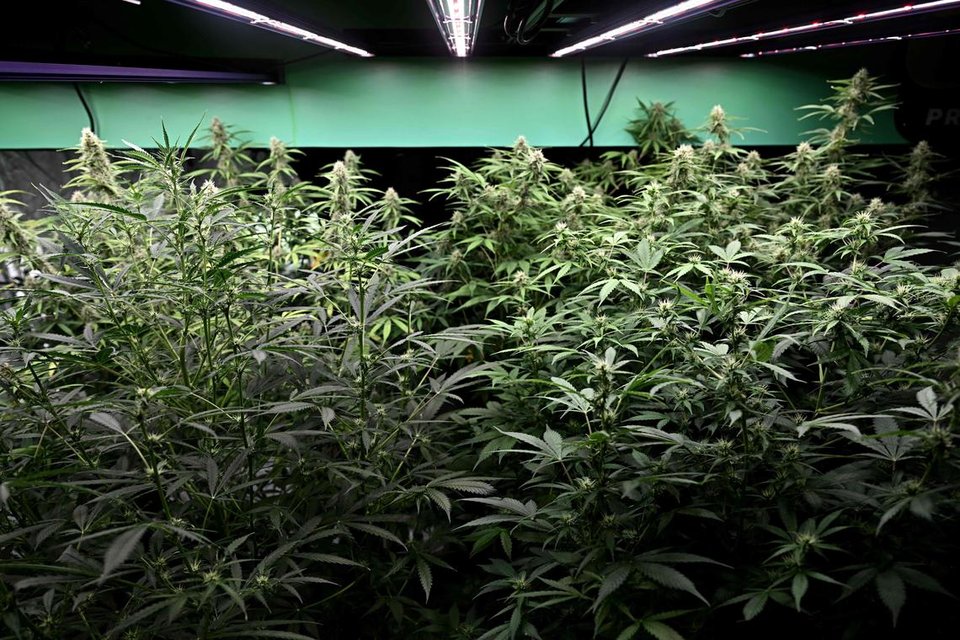
BANGKOK – When Thailand decriminalised cannabis in 2022, it sparked a rapid "green rush", transforming city streets and rural fields alike. Dispensaries quickly flourished—over 10,000 opened nationwide, with Bangkok as a key hub. But it was in northern Thailand’s agricultural communities, among Hmong hill tribes and other ethnic groups, that the change held the most promise—until now.
In northern provinces blessed with rich soil and temperate climates, generations of Hmong farmers, once linked to illicit opium cultivation, had shifted to legal, eco-friendly crops like corn, tea, and vegetables since the 1960s. The arrival of legal cannabis, now a US$1 billion industry, brought new income, revitalised rural economies, and leveraged traditional knowledge of indigenous plants.
But that prosperity may be short-lived.
In late June, the Thai government announced a dramatic reversal, seeking to limit cannabis use strictly to medical purposes. New rules include requiring prescriptions, capping personal supply at 30 days, and potentially reclassifying cannabis as a Category 5 narcotic—putting it back in the same legal bracket as heroin and cocaine.
Dispensaries may soon be required to have a doctor on-site, and further restrictions aim to curb cannabis tourism, underage use, and black-market sales. For northern farmers and small-scale cultivators, the proposed changes could bring plummeting demand and job losses.
Many fear a return to less sustainable practices. Among the alternatives: corn farming, which often involves slash-and-burn techniques, a significant contributor to northern Thailand’s worsening air pollution.
“The Hmong people have always been the keepers of seeds,” said Ms Chokwan Kitty Chopaka, president of Writing Thailand’s Cannabis Future, a cannabis advocacy group. “Hopefully they will continue to keep it safe.”
With the cannabis future in flux, these farmers stand at a crossroads: hold on to a plant that brought economic dignity, or pivot back to an older, harder way of life.
News You Should See
Seattle Communities Celebrate Holiday Season with Local Markets and Cultural Activities
Nvidia's AI Dominance Faces Conflicting Expectations as Industry Demand Accelerates
Signal Strengthens Mobile Privacy Protections Amid Growing AI Surveillance Concerns
AI Agents Transform Messaging Apps Into Everyday Digital Assistants
Roma Crush Parma 5-1 as Donyell Malen Scores Four Goals
Vivo Prepares Three New Budget Smartphones with 6,500mAh Batteries and Updated Features
Latest News
Explore holiday markets, handmade gifts, live music, and cultural events in Shoreline and Lake Forest Park, Washington, on November 22.
Nvidia faces contrasting industry expectations as AI demand grows, with its financial performance and leadership shaping the future of computing.
Signal introduces mobile screenshot restrictions on Android and iOS as concerns grow over AI-powered surveillance and digital privacy.
AI agents are transforming messaging platforms by helping users organize daily activities, plan travel, manage work, and complete everyday tasks.
Donyell Malen scores four goals as Roma defeat Parma 5-1, while Lazio beat Lecce 3-0 in another important Serie A result.
Vivo's upcoming budget phones reportedly feature 6,500mAh batteries, 6.74-inch displays and different camera and charging specifications.
Carlos Espi scores a late winner as Real Madrid defeat Celta Vigo 2-1, despite Kylian Mbappé missing a penalty.
Google Pixel 11 reportedly features the Tensor G6 processor, 256GB storage and 25W wireless charging, alongside familiar camera and display features.
Felix Nmecha plays a crucial role as Borussia Dortmund defeat Borussia Mönchengladbach, strengthening their Bundesliga campaign.