Texas Flood Disaster Highlights Growing Risk of Extreme Rainfall Fueled by Climate Change
The July 4 floods in Texas were not a fluke—they're part of a rising global pattern of extreme rainfall intensified by global warming and worsened by crumbling infrastructure.

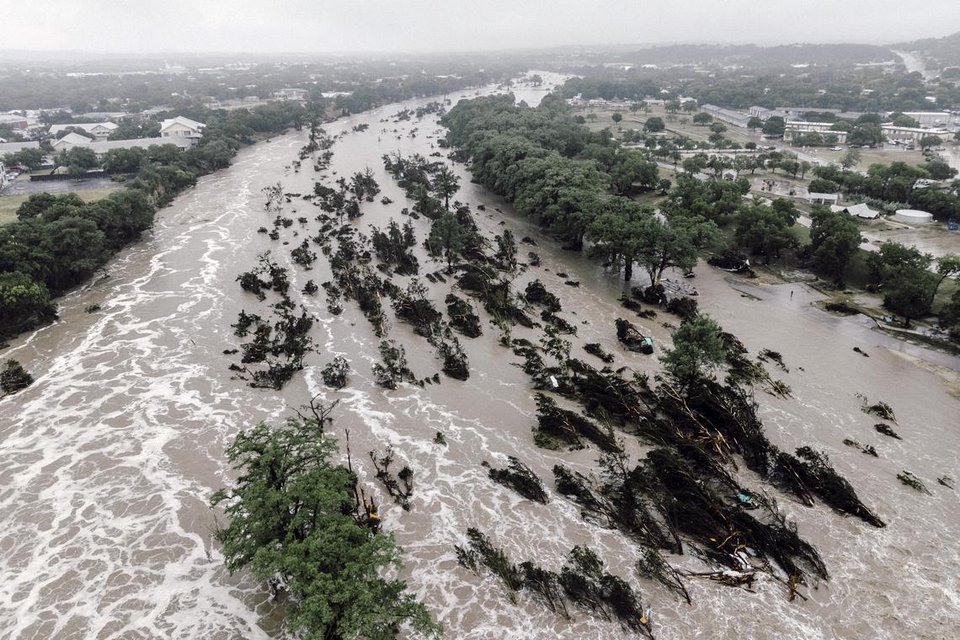
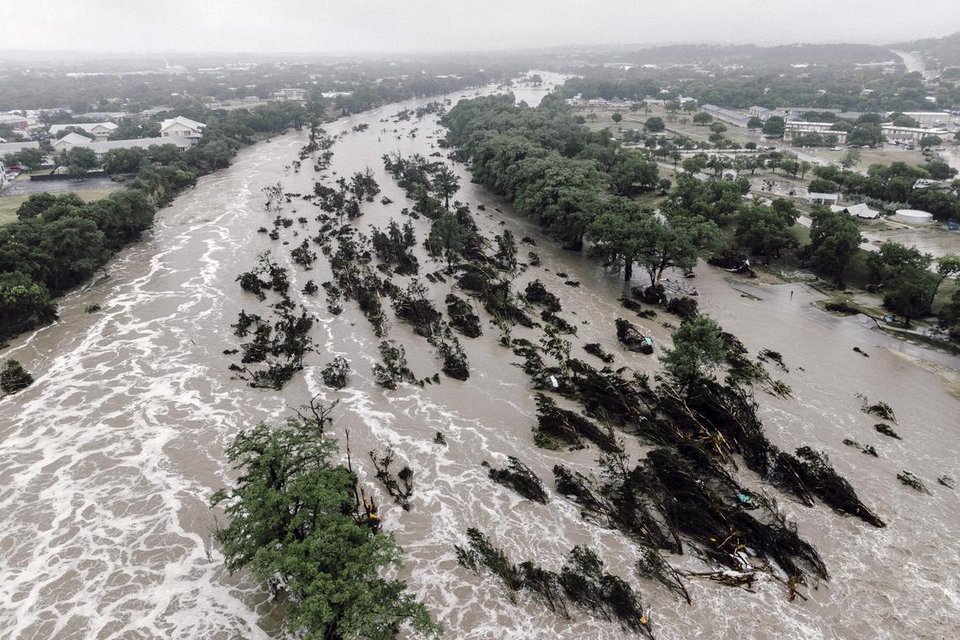
TEXAS – The devastating flash floods that struck Texas on July 4, 2025, are part of a growing global trend of extreme rainfall intensified by climate change, scientists warn.
🌍 Warmer Air, Wetter Storms
Climate scientists have long explained that warmer air holds more moisture, meaning when storms do form, they’re capable of unleashing more intense rainfall. This leads to bigger, faster downpours that, when paired with inadequate drainage systems or emergency preparedness, quickly become life-threatening.
“These were the perfect conditions for tragedy,” said Dr. Russ Schumacher, atmospheric science professor at Colorado State University.
🌀 Texas: Flash Flood Hotspot
Hill Country, including the area where the Guadalupe River overflowed, is particularly vulnerable. The region’s geography—a combination of steep terrain and narrow canyons—funnels water rapidly into river valleys. Humid air from the Gulf of Mexico and tropical Pacific often collides here with cooler air from the Great Plains, fueling violent storms.
On July 4, rainfall levels in parts of the region were so extreme they had less than a 0.1% chance of occurring in any given year, based on historical data.
Guadalupe River: Rose from 0.9m to 10m in 90 minutes
Water volume: Surged from 2.7 m³/s to 4,700 m³/s
📈 Climate Trends Confirm the Shift
In eastern Texas, the number of days with over 5 cm of rain has risen by 20% since 1900
By 2036, extreme rainfall intensity across Texas could rise another 10%, according to state climatologist Dr. John Nielsen-Gammon
These shifts are consistent with nationwide and global climate patterns tied to the burning of fossil fuels and the resulting increase in atmospheric carbon dioxide.
🛠️ Outdated Data, Shrinking Budgets
Planning for heavy rain relies heavily on precipitation probability estimates from NOAA. These figures are crucial for:
Designing stormwater systems, bridges, and culverts
Shaping zoning laws in flood-prone areas
Informing emergency planning
Yet these datasets are based on historical, not future, conditions. NOAA plans to release updated, climate-informed models in 2026, but federal support is weakening.
⚠️ Cuts Undermining Forecasting and Planning
Under the Trump administration, critical weather and climate research faces major setbacks:
Staff cuts at both NOAA and the National Weather Service
Dismissal of experts working on the National Climate Assessment
Proposed elimination of the Office of Oceanic and Atmospheric Research
“Without accurate forecasts and future-ready data, communities are flying blind in an era of increasing climate risk,” said one former NOAA scientist who worked on rainfall projections.
🧭 The Big Picture
Texas is no stranger to weather extremes. But the July 4 floods mark a turning point, showing how climate change + poor planning + weakened science agencies = disaster. Unless infrastructure and data systems are modernized—and supported—extreme rain events will claim more lives and livelihoods in the years ahead.
News You Should See
Five Tama County Towns Launch Joint Downtown Revitalization Initiative
Columbus North Students Present Shakespeare’s As You Like It This Weekend
Northeast Ohio Students Rally for Hearing Care Through Charity Volleyball Event
Evanston Arts Council Celebrates Local Talent at Annual Bright Night Event
NBA Cup Group Stage Features High-Stakes Knicks-Pacers and Cavaliers-Heat Showdowns
New Jersey Devils Overcome Capitals With Three-Goal Third-Period Surge
Latest News
Five Tama County communities begin a downtown assessment program focused on storefront upgrades, pedestrian accessibility, and local economic growth.
Columbus North High School drama students stage William Shakespeare’s As You Like It at Judson Erne Auditorium in a weekend theatrical production.
Youngstown State students host the annual Hits for Hearing volleyball fundraiser, supporting access to hearing aids and auditory care across the Mahoning Valley.
Evanston Arts Council celebrates local artists, performers and cultural grant recipients at its annual Bright Night for the Arts event.
The NBA Cup group stage continues November 13 with Knicks-Pacers and Cavaliers-Heat leading a nine-game schedule across the league.
New Jersey Devils defeat Washington Capitals 5-2 after scoring three unanswered third-period goals to secure their 14th NHL win of the season.
Healthcare investments in Asia and the Middle East are transforming hospital rankings through advanced technology, medical tourism and expanded specialist services.
Look-alike contests inspired by Elizabeth Holmes are spreading across American cities, combining entertainment, viral marketing and growing interest in the documentary about the Theranos founder.
A University of Virginia mouse study identifies CASS4's role in brain immune cells and its potential importance in limiting Alzheimer's-related damage.