Tesla’s Robotaxi Strategy Faces a Reality Check as Paid Miles Decline
A slowdown in paid autonomous driving highlights the gap between Tesla’s ambitious mobility vision and the operational, safety, and data challenges of scaling a driverless network.

Tesla’s Robotaxi ambitions are entering a more demanding phase, as the company confronts a widening gap between its long-term vision for autonomous transportation and the pace at which its commercial network is actually scaling.
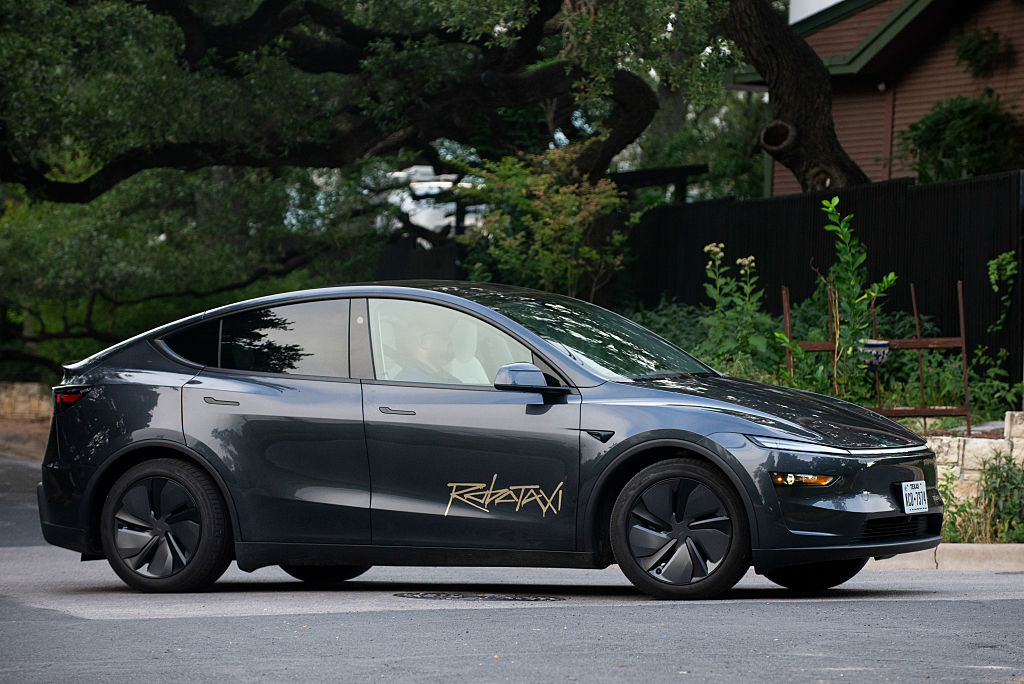
The clearest signal came from the company’s second-quarter operating data. Tesla’s Robotaxi vehicles covered roughly 1.1 million miles carrying paying passengers in the first quarter, but that figure fell to about 700,000 miles in the second quarter, representing a decline of approximately 36%. The contraction is particularly notable because Tesla expanded its early Robotaxi footprint to six cities across Texas and Florida, while also operating a combination of supervised and unsupervised vehicles.
The figures expose an important strategic challenge. For Tesla, Robotaxi is not simply another transportation product. It is positioned as a potential new business model capable of transforming the company from an electric vehicle manufacturer into a technology and mobility platform. A successful autonomous fleet could generate recurring transportation revenue, improve vehicle utilization, and create a new layer of value around Tesla’s software, artificial intelligence, and vehicle ecosystem.
However, the current scale remains far from the economics required to support that vision. A Robotaxi network must achieve high vehicle utilization, reliable autonomous performance, regulatory acceptance, and customer trust at the same time. Any weakness in one of these areas can slow the entire business model, particularly when the company is attempting to move from limited pilot operations to a commercially viable fleet.
Tesla’s latest comments also point to a shift in the company’s explanation for the pace of deployment. Elon Musk said Tesla needs to accumulate driving data specifically related to the Cybercab, the purpose-built two-seat autonomous vehicle expected to become a major component of the future fleet. This suggests that the transition from existing Model Y vehicles to a dedicated autonomous platform may require a new phase of data collection and validation.
That development is strategically significant because Tesla has spent years emphasizing the value of data generated by its large installed base of customer vehicles. The company has argued that millions of vehicles on the road can contribute to the development of its driver-assistance and autonomy systems. The growing focus on Cybercab-specific data indicates that generalized fleet data may not be sufficient to accelerate the deployment of a purpose-built autonomous vehicle at scale.
Safety is another critical factor shaping Tesla’s expansion strategy. Company executives have emphasized caution, arguing that a serious incident involving a Robotaxi could trigger intense media attention and invite stricter regulatory scrutiny. Tesla has reported 22 crashes to U.S. regulators during the year since beginning Robotaxi trials. While many involved other vehicles colliding with Tesla cars, the company has also disclosed incidents involving remote teleoperation and low-speed impacts with objects.
For the autonomous mobility market, the distinction between technical capability and commercial readiness is increasingly important. A vehicle may be able to drive without a human operator under selected conditions, but building a dependable transportation network requires a much broader operational framework. Fleet management, remote assistance, insurance, emergency response, regulatory compliance, geographic expansion, and passenger confidence all become essential components of the business.
Tesla is also using its autonomy architecture as a competitive differentiator. The company continues to defend its camera-based approach, arguing that advanced autonomy can be achieved without relying on lidar, radar, or highly detailed mapping systems. This strategy could provide a cost advantage if it proves capable of delivering comparable safety and reliability, because fewer specialized sensors could reduce hardware complexity across a large fleet.
The competitive stakes are substantial. Companies pursuing autonomous mobility are competing not only on artificial intelligence, but also on operational maturity and public trust. Tesla’s approach seeks to leverage its enormous vehicle footprint, software capabilities, and brand recognition, while rivals with more controlled autonomous fleets can focus on achieving reliability within defined operating environments. The market will ultimately determine whether Tesla’s scale-first technology strategy can outperform more conservative deployment models.
The decline in quarterly paid miles also comes at a sensitive moment for Tesla, as its core businesses face pressure and its shares fell more than 13% in early trading following the latest results. This increases the strategic importance of Robotaxi as a future growth narrative while simultaneously raising the cost of delays. The longer autonomous mobility takes to become a meaningful commercial operation, the greater the pressure on Tesla to demonstrate that the technology can produce measurable economic value rather than remain primarily a long-term promise.
Still, Tesla maintains that the trajectory of unsupervised driving is improving, with executives saying unsupervised miles have increased by roughly 10% each week since the service began offering such trips late last year. The company also expects the number of Cybercabs operating in cities to increase substantially once sufficient vehicle-specific data has been collected.
The next phase will therefore be less about announcing the possibility of autonomous transportation and more about proving its economics. Tesla must demonstrate that it can convert autonomous driving capability into consistent paid mileage, high utilization, scalable fleet operations, and sustainable revenue. The outcome will have implications well beyond Tesla’s automotive business, potentially influencing the competitive structure of the global mobility industry.
Robotaxi technology remains one of the most consequential opportunities in transportation, but Tesla’s latest numbers underline a fundamental reality: building an autonomous driving system and building a profitable autonomous transportation network are two different challenges. The company’s ability to bridge that gap will determine whether Robotaxi becomes a transformative business platform or remains an ambitious technology project still waiting for its commercial breakthrough.
News You Should See
2026 Nobel Medicine Prize Honors Scientists Behind Optogenetics Breakthrough
Oil Prices Edge Lower as Stronger Middle East Exports and G7 Reserves Ease Supply Concerns
Trump Offers U.S. Assistance to Russia After Death at Siberian Plague Research Institute
Trump Takes Economic Message to Nebraska as GOP Faces Rising Cost-of-Living Pressure
U.S. Appeals Court Weighs Trump Administration’s $2.6 Billion Harvard Funding Fight
U.S. Midterm Elections Begin With Resilient Jobs Market and Persistent Cost Pressures
Latest News
The 2026 Nobel Prize in Physiology or Medicine honors Karl Deisseroth, Peter Hegemann and Georg Nagel for pioneering research behind optogenetics and its impact on neuroscience.
Oil prices edged lower as stronger Middle Eastern exports and a planned G7 release of 100 million barrels eased immediate supply concerns, while Gulf security risks and the Strait of Hormuz kept markets alert.
President Donald Trump said the United States would help Russia if needed after a laboratory worker died at a Siberian plague research institute, as Russian authorities imposed precautionary quarantine measures.
Trump’s Nebraska campaign stop highlights rising fuel and grocery costs, beef prices and growing economic pressure on Republicans ahead of the November midterm elections.
A U.S. appeals court is reviewing the Trump administration’s effort to cut Harvard’s federal research funding, with more than $2.6 billion at stake.
The U.S. enters the 2026 midterm elections with unemployment at 4.2%, while higher living and energy costs create economic pressure for households and businesses.
US services growth eased in September as input prices climbed to their highest level since July 2022, with fuel costs, supply-chain disruptions and strong demand increasing pressure on businesses.
Rising Treasury yields are increasing U.S. borrowing costs as Washington manages record debt, persistent inflation and strong economic demand, narrowing its policy options.
A EGP 16 million corporate partnership will establish and equip a bone marrow transplant unit at Cairo’s Coptic Hospital, supporting access to specialized treatment for patients.