Tesla Expands Florida Robotaxi Trials as Autonomous Mobility Strategy Enters a Critical Growth Phase
Pilot deployments in Orlando and Tampa reinforce Tesla's long-term autonomous transportation vision while investors evaluate commercialization progress ahead of quarterly earnings.

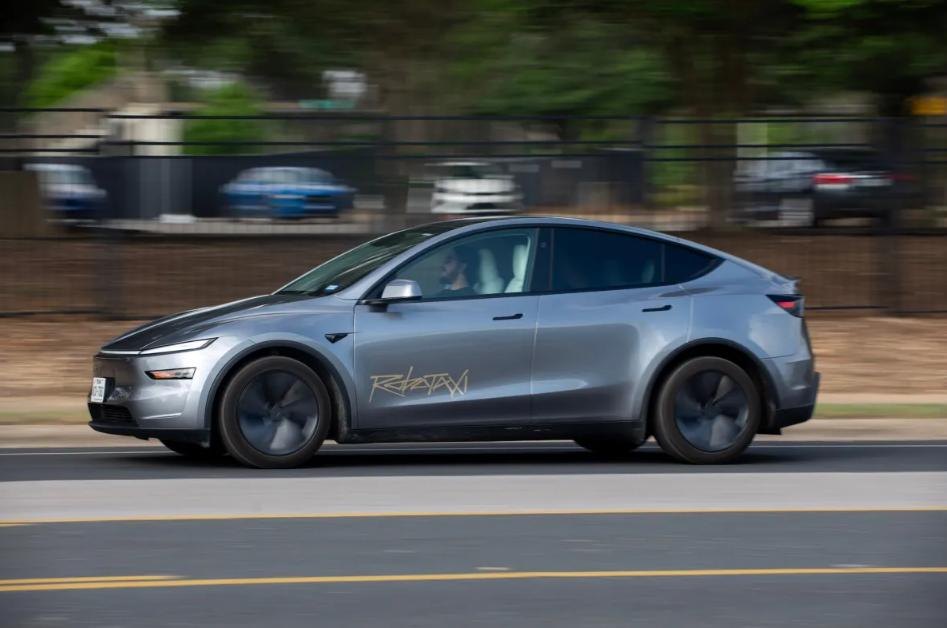
Tesla has broadened the geographic footprint of its autonomous transportation initiative by deploying an unspecified number of unsupervised Model Y robotaxis in Orlando and Tampa, marking the latest stage of the company's gradual rollout of commercial autonomous ride-hailing services. The expansion comes only one day before Tesla is scheduled to announce its second-quarter financial results, placing additional attention on the company's progress in transforming autonomous driving technology into a scalable business.
The addition of Orlando and Tampa makes them the third and fourth operational locations involved in Tesla's Florida robotaxi program after the company quietly initiated limited pilot operations in Miami several weeks earlier. While Tesla has not disclosed the size of the new fleets or the exact operational boundaries, early observations indicate that both service areas remain intentionally limited as the company continues evaluating real-world autonomous performance.
From a strategic perspective, Tesla appears to be prioritizing controlled deployment over rapid geographic expansion. This measured approach reflects a design philosophy focused on collecting operational data, validating software reliability, and refining customer experience before introducing larger autonomous networks. Restricting the coverage area allows Tesla to continuously improve navigation accuracy, safety performance, and fleet management while minimizing operational risks during the early commercialization phase.
The rollout also highlights Tesla's broader brand identity as a company seeking to redefine mobility through software-driven innovation rather than traditional automotive manufacturing alone. By leveraging the existing Model Y platform instead of waiting exclusively for dedicated autonomous vehicles, Tesla reinforces its strategy of integrating artificial intelligence directly into its current vehicle ecosystem while accelerating public exposure to autonomous transportation services.
Despite these developments, Tesla's commercialization timeline remains considerably slower than earlier expectations communicated to investors. CEO Elon Musk previously stated on multiple occasions that Tesla's robotaxi network could eventually serve roughly half of the U.S. population by the end of 2025. However, the company's operational progress indicates that large-scale deployment is still proceeding cautiously as technical validation and regulatory readiness remain central priorities.
Earlier this year, Musk adopted a more measured tone regarding expansion plans during Tesla's first-quarter earnings discussion, signaling a stronger emphasis on incremental growth rather than aggressive market coverage. This shift illustrates the complexity of deploying autonomous transportation systems that must simultaneously satisfy technological performance, operational reliability, customer confidence, and regulatory compliance.
Tesla may nevertheless benefit from an evolving regulatory environment in the United States. Last month, the U.S. Department of Transportation proposed modifying federal vehicle requirements by eliminating the mandatory inclusion of brake pedals in vehicles designed exclusively for autonomous operation. Should the proposal ultimately be approved, Tesla could gain greater flexibility to introduce its purpose-built Cybercab platform, which has already been positioned in multiple cities as part of the company's long-term autonomous mobility roadmap.
Economically, expanding robotaxi pilots represents more than a technological milestone. Successful commercialization could open recurring revenue opportunities through autonomous ride-hailing services while strengthening Tesla's competitive position within the emerging mobility economy. Investors are expected to closely examine upcoming earnings commentary for updates regarding fleet expansion, regulatory developments, software performance, and future deployment schedules, all of which could significantly influence Tesla's long-term valuation and strategic direction in autonomous transportation.
News You Should See
2026 Nobel Medicine Prize Honors Scientists Behind Optogenetics Breakthrough
Oil Prices Edge Lower as Stronger Middle East Exports and G7 Reserves Ease Supply Concerns
Trump Offers U.S. Assistance to Russia After Death at Siberian Plague Research Institute
Trump Takes Economic Message to Nebraska as GOP Faces Rising Cost-of-Living Pressure
U.S. Appeals Court Weighs Trump Administration’s $2.6 Billion Harvard Funding Fight
U.S. Midterm Elections Begin With Resilient Jobs Market and Persistent Cost Pressures
Latest News
The 2026 Nobel Prize in Physiology or Medicine honors Karl Deisseroth, Peter Hegemann and Georg Nagel for pioneering research behind optogenetics and its impact on neuroscience.
Oil prices edged lower as stronger Middle Eastern exports and a planned G7 release of 100 million barrels eased immediate supply concerns, while Gulf security risks and the Strait of Hormuz kept markets alert.
President Donald Trump said the United States would help Russia if needed after a laboratory worker died at a Siberian plague research institute, as Russian authorities imposed precautionary quarantine measures.
Trump’s Nebraska campaign stop highlights rising fuel and grocery costs, beef prices and growing economic pressure on Republicans ahead of the November midterm elections.
A U.S. appeals court is reviewing the Trump administration’s effort to cut Harvard’s federal research funding, with more than $2.6 billion at stake.
The U.S. enters the 2026 midterm elections with unemployment at 4.2%, while higher living and energy costs create economic pressure for households and businesses.
US services growth eased in September as input prices climbed to their highest level since July 2022, with fuel costs, supply-chain disruptions and strong demand increasing pressure on businesses.
Rising Treasury yields are increasing U.S. borrowing costs as Washington manages record debt, persistent inflation and strong economic demand, narrowing its policy options.
A EGP 16 million corporate partnership will establish and equip a bone marrow transplant unit at Cairo’s Coptic Hospital, supporting access to specialized treatment for patients.