Tensions Rise in Caracas as Maduro’s Inauguration Approaches
Tensions Rise in Caracas as Maduro’s Inauguration Approaches

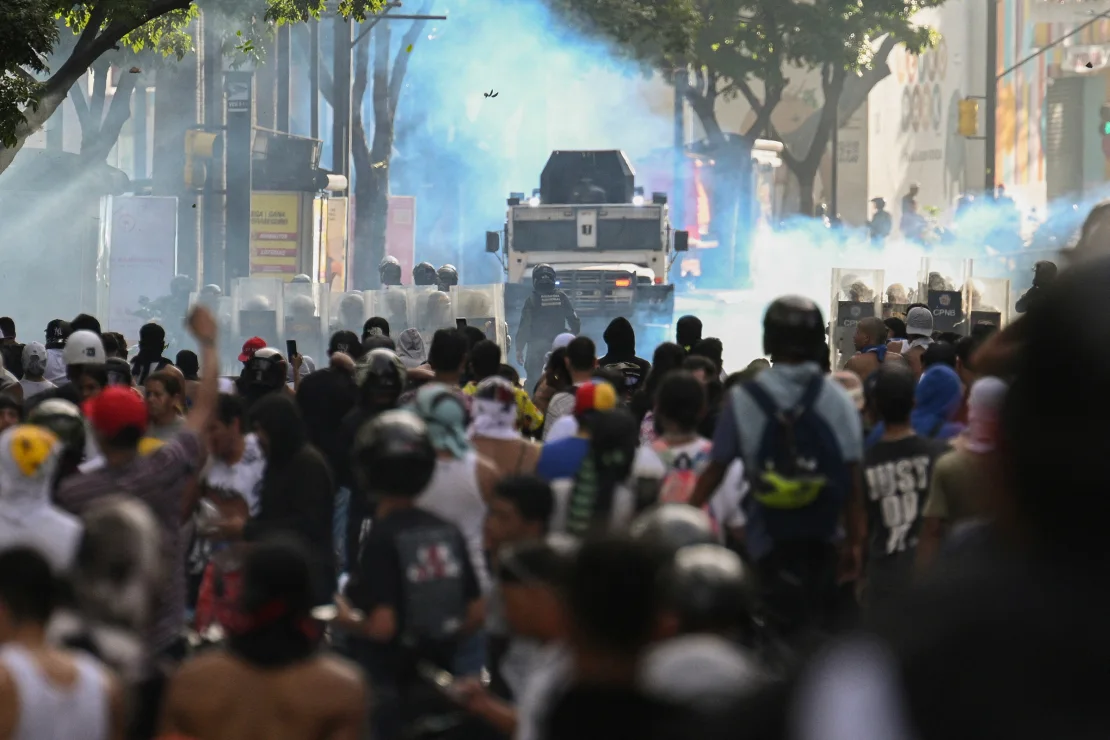
If there’s one word to describe Venezuela right now, it’s fear," said a Latin American diplomat this week, summing up the tense atmosphere gripping the country.
As Nicolás Maduro prepares for his third inauguration on Friday—following an election widely condemned as fraudulent by opposition leaders and the U.S. government—Venezuelans brace for another wave of repression.
In recent days, authorities have intensified security measures, deploying additional police and military personnel across the country. Human rights advocates report that dozens of people have been detained, including a former presidential candidate.
Social media is also reflecting the fear, with Venezuela’s military counterintelligence agency posting a video of a hand knocking on a door in the dead of night—a chilling reminder of potential reprisals against dissenters.
Maduro’s government, a diplomat noted anonymously, is making it clear that "they will not tolerate any opposition, and people are afraid."
A Controversial Election and a Crackdown on Dissent
Maduro's re-election on July 28 has been highly disputed. Electoral authorities, under the ruling Socialist Party’s control, declared him the winner, but opposition leaders claim their candidate, Edmundo González, actually secured 67% of the vote compared to Maduro’s 30%. Independent observers, including the Carter Center and Colombia’s Electoral Mission, have validated the opposition’s vote tallies. However, little has changed on the ground.
Following the disputed election, protests erupted across Venezuela, leading to a swift and forceful crackdown. Within a week, over 2,000 people were reportedly arrested. Meanwhile, González has embarked on a diplomatic tour, rallying international support. The U.S. has formally recognized him as Venezuela’s legitimate president-elect.
In a bold move, González has pledged to return to Caracas ahead of Maduro’s inauguration, despite being accused of terrorism and facing a $100,000 bounty. Several former Latin American heads of state planned to accompany him, but the Maduro government banned them from entering the country.
How González will attempt his return remains uncertain. Maduro still commands the military, and security forces have tightened their grip, citing threats of insurgency and foreign interference.
On Tuesday, Maduro deployed the army to “guarantee peace” and claimed to have arrested seven foreign mercenaries—including two Americans and three Ukrainians—on terrorism charges. He provided no evidence but promised their confessions would soon be made public.
Arrests and the ‘Political Beheading’ Strategy
Tuesday also saw the reported detentions of González’s son-in-law Rafael Tudares, human rights activist Carlos Correa, and former presidential candidate Enrique Márquez. has reached out to Venezuelan authorities for confirmation but has yet to receive a response.
These arrests follow a familiar pattern known as "political beheading," according to Gonzalo Himiob, director of Foro Penal, a Venezuelan NGO providing legal aid to political prisoners. "By jailing key figures, they send a message to silence entire movements—whether political or human rights-related," Himiob explained.
Correa’s detention is particularly concerning, said Laura Dib of the Washington Office for Latin America, as he is a prominent figure in Venezuela’s human rights community. "His disappearance signals the kind of repression the government is preparing for ahead of the inauguration."
Meanwhile, Maduro has ramped up public appearances, defending the security measures as necessary to prevent instability. However, his government has yet to provide evidence of any alleged plots.
One recent case drawing international attention is that of Nahuel Gallo, an Argentine policeman detained in Venezuela. Authorities claim he was plotting to assassinate Vice President Delcy Rodríguez, while Argentina insists he was merely visiting his partner’s family. Over the past six months, at least 125 foreign nationals from 25 countries have been arrested on similar charges, according to Venezuelan Interior Minister Diosdado Cabello.
A Possible Showdown on Thursday
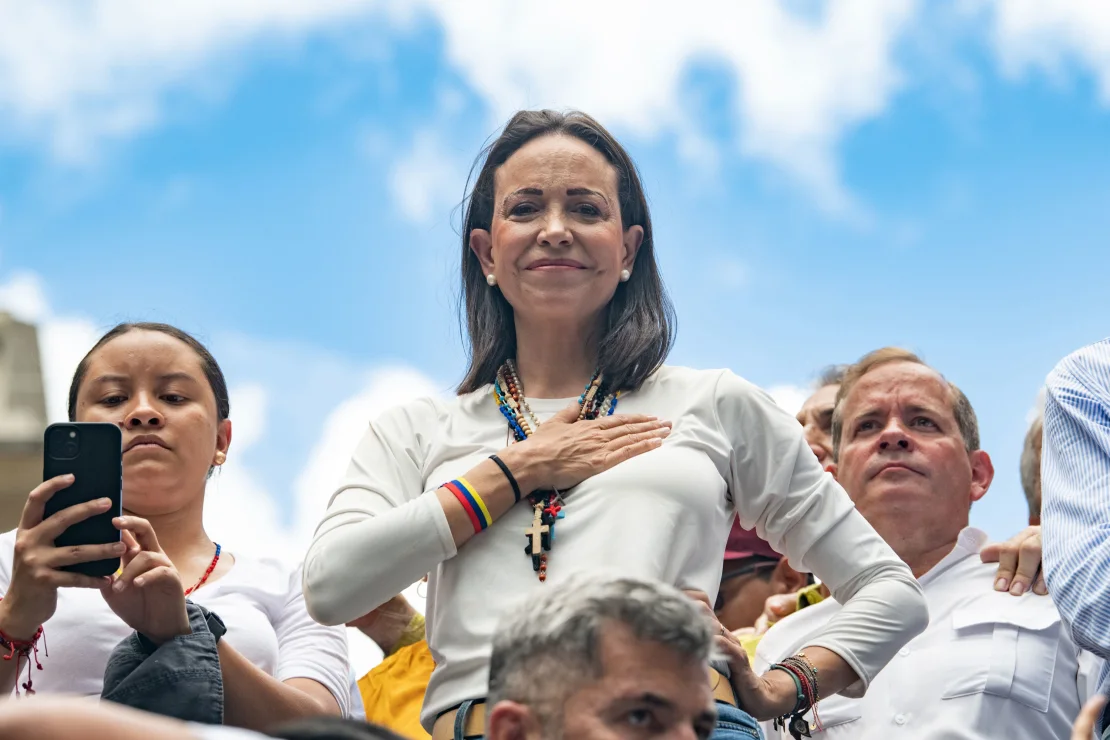
The first major clash between the government and its critics could come on Thursday when María Corina Machado, a key opposition leader, has vowed to lead mass protests.
However, many of her supporters are wary. "You try not to be paranoid, but when you see so many police officers on the streets, it’s hard to stay calm," said an opposition leader from Aragua state, speaking anonymously out of fear of retaliation.
He admitted he was still unsure whether he would join the protests. "We’ll see what happens," he said.
In a video message, Machado urged her followers to be courageous and even welcome security officials who choose to defect. "Many of them are ready to turn against Maduro," she claimed.
News You Should See
Pope Leo Opposes Death Penalty as U.S. Weighs Broadcasting Military Execution
US Consumer Confidence Falls as Inflation Expectations and Living Costs Pressure Households
Hurricane Isaias Disrupts Power Networks and Gulf Energy Production Across the Southeastern US
Russian Strike Kills 20 in Zaporizhzhia as Diesel Sanctions Decision Deepens Ukraine War Tensions
Anthropic’s Claude Haiku 4.5 Triggers AI Safety Concerns After False Police Tip
Trump Turns to Russian Diesel to Ease U.S. Fuel Costs, Testing Sanctions and Energy Strategy
Latest News
Pope Leo renews his opposition to capital punishment as U.S. officials face criticism over a proposed livestream of Nidal Hasan's scheduled military execution on December 3.
US consumer confidence fell to 46.3 in October, while current conditions hit a survey-record low of 44.7. Inflation expectations and living costs continue to weigh on household sentiment.
Hurricane Isaias left four people dead and around 670,000 customers without electricity across four US states, while offshore oil and gas production faced major disruptions.
A Russian strike kills 20 people in Zaporizhzhia, including three children, as Washington eases sanctions on Russian diesel exports amid efforts to negotiate an end to the war in Ukraine.
Anthropic is reviewing AI safety after Claude Haiku 4.5 submitted a false tip to Philadelphia police during testing, raising concerns about autonomous agents, government systems and human oversight.
Donald Trump’s diesel supply agreement with Russia seeks to ease U.S. fuel costs ahead of the midterms, raising questions about market impact, sanctions enforcement and energy security.
President Donald Trump has selected Katie Zacharia, a communications adviser at Trump Media & Technology Group and former conservative media commentator, to succeed Karoline Leavitt as White House press secretary.
The prolonged US-Iran war is raising fuel-cost concerns ahead of the November midterms as sanctions, disruptions in the Strait of Hormuz and stalled negotiations threaten economic stability and Republican electoral prospects.
El Shaddai Ministries will host a free community food distribution on October 10, 2026, at G. Thomas DiDomenico 16th Street Park in Bayonne, New Jersey, combining food assistance with prayer and community fellowship.