Tennis Faces Scrutiny Over Anti-Doping Procedures as Calls for Reform Grow
Tennis Faces Scrutiny Over Anti-Doping Procedures as Calls for Reform Grow

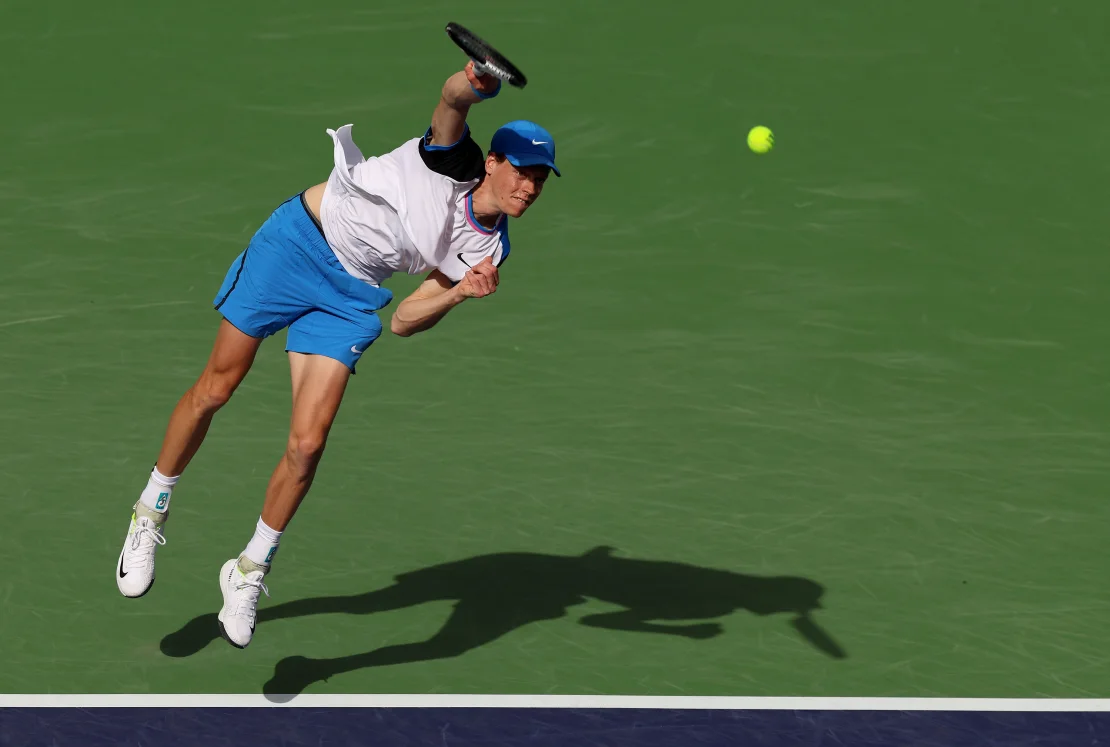
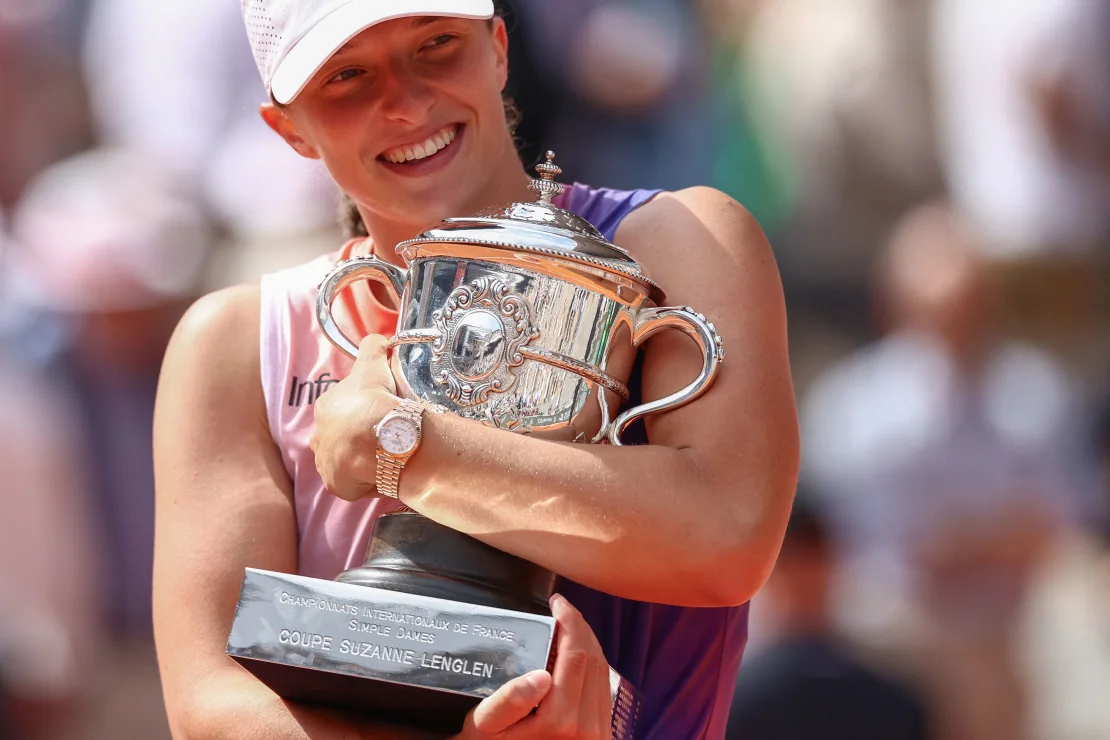
For months, controversy has gripped the tennis world following two high-profile doping cases involving top-ranked players: Jannik Sinner and Iga Świątek.
The debate reignited on February 15 when the World Anti-Doping Agency (WADA) announced that Sinner had accepted a three-month ban, allowing him to avoid arbitration at the Court of Arbitration for Sport (CAS). Notably, the ban length ensures the Italian player won’t miss any Grand Slam tournaments.
“The anti-doping process is completely flawed,” said Vasek Pospisil, a former Wimbledon doubles champion, in an interview with Sport. “There’s no trust in the system.”
Pospisil, who co-founded the Professional Tennis Players Association (PTPA) with Novak Djokovic, argues that the recent cases highlight inconsistencies in the anti-doping process, with elite players like Sinner and Świątek receiving relatively short bans while lesser-known athletes often face harsher penalties.
“The majority of players feel the system is unfair,” Djokovic stated during the Qatar Open, suggesting favoritism may be at play.
However, Marjolaine Viret, an associate professor at the University of Lausanne specializing in sports law, believes these perceptions stem from the legal complexities of doping cases rather than intentional bias. She noted that while doping cases are inherently complex and take years to resolve, the outcomes for Sinner and Świątek were not particularly unusual.
John William Devine, a senior lecturer in ethics and sport at Swansea University, echoed this sentiment, stating that the public nature of these cases suggests the system is working rather than concealing violations.
Despite this, concerns persist among players regarding transparency, financial disparities, and the way the anti-doping system handles contamination cases.
Contamination: A Justified Explanation or Common Excuse?
Under the principle of strict liability, athletes are automatically held responsible for any banned substance found in their system, regardless of intent. This means that even if a substance is unknowingly consumed through contaminated food or medicine, the athlete is still subject to penalties.
“Contamination is the most used excuse by cheaters, but it’s also a real risk for clean athletes,” explained David Pavot, a professor of sports law at the University of Sherbrooke in Canada.
Sinner tested positive twice for clostebol in March 2023 but initially avoided suspension after an independent tribunal accepted his claim that the banned steroid entered his system via a physiotherapist using an over-the-counter spray.
Świątek’s case was different. She tested positive for trimetazidine, a heart medication, in August and was unable to immediately explain how it entered her system. She served a one-month provisional suspension and later attributed the positive test to contaminated melatonin supplements. After testing the product, the ITIA accepted her explanation.
While the strict liability rule is designed to deter doping and simplify enforcement, critics argue that it disproportionately affects athletes with fewer financial resources. Wealthier players, like Sinner and Świątek, can afford top legal representation to challenge their bans, while lower-ranked players often cannot.
“I’ve seen many players accept bans simply because they can’t afford a lawyer, even if they’re innocent,” Pospisil said, underscoring the financial inequalities within the sport.
As scrutiny over anti-doping policies grows, calls for systemic reform are becoming louder. Whether the governing bodies take action remains to be seen.
News You Should See
Pope Leo Opposes Death Penalty as U.S. Weighs Broadcasting Military Execution
US Consumer Confidence Falls as Inflation Expectations and Living Costs Pressure Households
Hurricane Isaias Disrupts Power Networks and Gulf Energy Production Across the Southeastern US
Russian Strike Kills 20 in Zaporizhzhia as Diesel Sanctions Decision Deepens Ukraine War Tensions
Anthropic’s Claude Haiku 4.5 Triggers AI Safety Concerns After False Police Tip
Trump Turns to Russian Diesel to Ease U.S. Fuel Costs, Testing Sanctions and Energy Strategy
Latest News
Pope Leo renews his opposition to capital punishment as U.S. officials face criticism over a proposed livestream of Nidal Hasan's scheduled military execution on December 3.
US consumer confidence fell to 46.3 in October, while current conditions hit a survey-record low of 44.7. Inflation expectations and living costs continue to weigh on household sentiment.
Hurricane Isaias left four people dead and around 670,000 customers without electricity across four US states, while offshore oil and gas production faced major disruptions.
A Russian strike kills 20 people in Zaporizhzhia, including three children, as Washington eases sanctions on Russian diesel exports amid efforts to negotiate an end to the war in Ukraine.
Anthropic is reviewing AI safety after Claude Haiku 4.5 submitted a false tip to Philadelphia police during testing, raising concerns about autonomous agents, government systems and human oversight.
Donald Trump’s diesel supply agreement with Russia seeks to ease U.S. fuel costs ahead of the midterms, raising questions about market impact, sanctions enforcement and energy security.
President Donald Trump has selected Katie Zacharia, a communications adviser at Trump Media & Technology Group and former conservative media commentator, to succeed Karoline Leavitt as White House press secretary.
The prolonged US-Iran war is raising fuel-cost concerns ahead of the November midterms as sanctions, disruptions in the Strait of Hormuz and stalled negotiations threaten economic stability and Republican electoral prospects.
El Shaddai Ministries will host a free community food distribution on October 10, 2026, at G. Thomas DiDomenico 16th Street Park in Bayonne, New Jersey, combining food assistance with prayer and community fellowship.