Syrians Recount Horror as Alawite Families Massacred in Their Homes
Syrians Recount Horror as Alawite Families Massacred in Their Homes

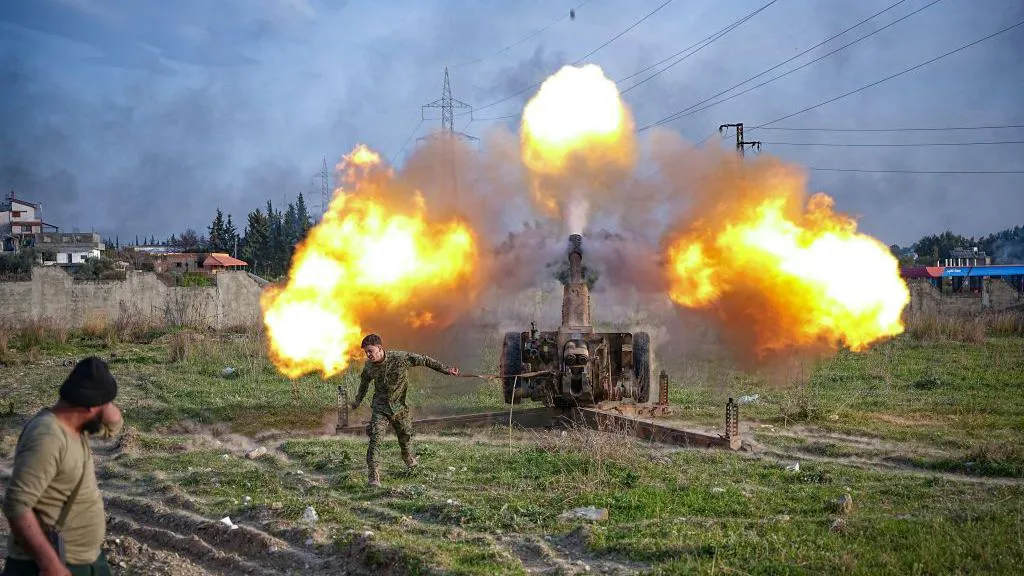
Syria’s interim leader has called for national unity amid ongoing violence and retaliatory killings in regions previously loyal to ousted leader Bashar al-Assad.
Hundreds have reportedly fled their homes in the coastal provinces of Latakia and Tartus—both strongholds of Assad’s support—following reports of widespread killings and looting. Residents describe harrowing scenes, including the murder of children.
In Hai Al Kusour, a predominantly Alawite neighborhood in Banias, witnesses say the streets are littered with bodies, many covered in blood. Men of various ages were executed, according to local accounts.
The Alawite sect, an offshoot of Shia Islam, comprises about 10% of Syria’s predominantly Sunni Muslim population. Assad himself belongs to this sect.
Fear gripped the city on Friday, with residents too terrified to look outside. With an unstable internet connection, many only learned of their neighbors’ deaths through social media.
Ayman Fares, a former detainee, recounted his survival. Arrested in 2023 for criticizing Assad’s corruption, he was freed when Islamist-led forces released prisoners following Assad’s fall last December. His prior imprisonment saved his life, as the armed fighters who stormed Hai Al Kusour recognized him and spared him—though they looted his home, taking his cars before moving on to other targets.
"They were strangers, possibly Uzbek or Chechen, speaking an unfamiliar language, "Some Syrians were among them, but they weren’t official security forces. Civilians also participated in the killings."
Fares witnessed families slaughtered in their own homes, with women and children among the dead. Some sought refuge on rooftops, but the bloodshed spared no one. "It was horrific," he said.
The UK-based Syrian Observatory for Human Rights has documented over 740 civilian deaths in Latakia, Jableh, and Banias, alongside 300 fallen security personnel and former Assad regime members. However, the BBC has not independently verified these figures.
Order was partially restored when Syrian army and security forces arrived in Banias, driving out the armed factions and establishing escape routes for civilians.
Another resident, Ali (who requested anonymity), confirmed Fares’ account. He and his family survived with the help of security forces. "We heard the gunfire, the screams… It was terrifying," he said.
The attackers were primarily after wealth, stealing cars, money, and valuables. However, some Sunni neighbors protected their Alawite friends, offering them refuge. "For years, Alawites, Sunnis, and Christians lived together peacefully," Ali said. "Now, Sunnis are helping Alawites escape the slaughter, and security forces are working to restore order."
Survivors were relocated to a Sunni-majority neighborhood school for protection until authorities could regain control of Banias.
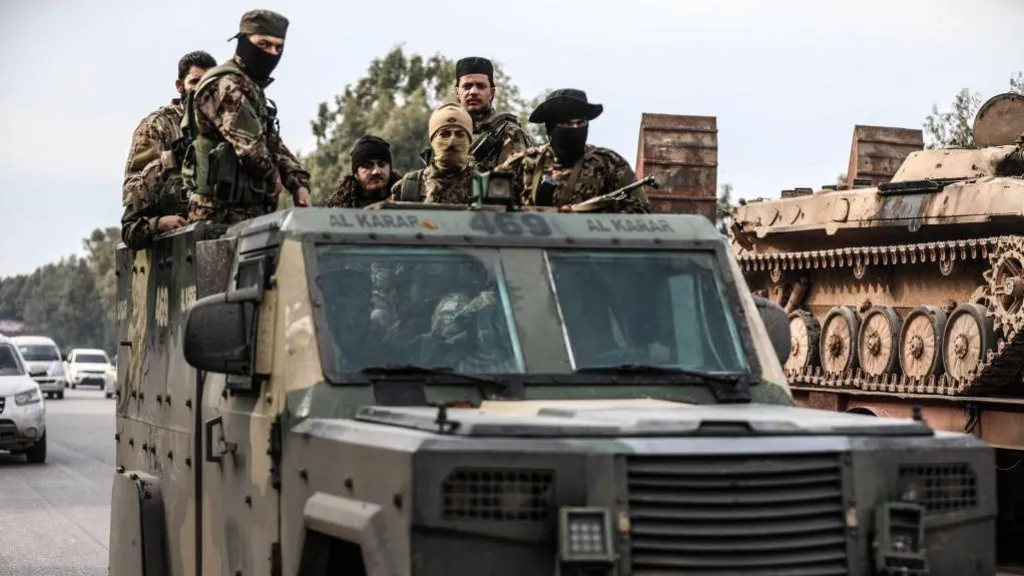
The violence erupted after Assad loyalists—refusing to disarm—ambushed security forces in Latakia and Jableh, killing dozens. Ex-Brigadier General Ghiath Dallah later declared an armed rebellion, forming the "Military Council for the Liberation of Syria." Reports suggest remnants of Assad’s regime are organizing resistance in the mountains.
Many in the Alawite community reject these insurgents, blaming them for escalating bloodshed. "They profit from the chaos," Fares said. "We need security forces to hold the killers accountable and restore stability."
However, some also criticize interim President Ahmad al-Sharaa, arguing his dismantling of Syria’s security forces left a power vacuum. Thousands of former police and military personnel—many uninvolved in Assad-era crimes—were dismissed, exacerbating unemployment in a country where 90% of the population lives below the poverty line.
Syria remains deeply divided. While many denounce the civilian massacres, others are calling for retribution. Demonstrations have been held in Damascus to mourn the victims and condemn the violence. Yet, in some areas, calls for "Jihad" are growing.
The sectarian divide, long fueled by atrocities committed by Assad’s forces against Syria’s Sunni majority, has intensified. Human rights groups have documented Alawite officers' involvement in mass killings and torture. Now, some Sunnis seek revenge, despite Sharaa’s appeals for calm.
Sharaa, whose Islamist forces overthrew Assad three months ago, faces the challenge of ensuring security while delivering justice for Assad’s crimes. While he commands some loyal troops, radical factions—including foreign fighters—are operating beyond his control.
To guide Syria toward a stable and democratic future, many argue that Sharaa must expel foreign militants and establish a constitution protecting all Syrians, regardless of sect or background. However, reining in violent factions and enforcing the rule of law may prove his greatest test yet.
News You Should See
Pope Leo Opposes Death Penalty as U.S. Weighs Broadcasting Military Execution
US Consumer Confidence Falls as Inflation Expectations and Living Costs Pressure Households
Hurricane Isaias Disrupts Power Networks and Gulf Energy Production Across the Southeastern US
Russian Strike Kills 20 in Zaporizhzhia as Diesel Sanctions Decision Deepens Ukraine War Tensions
Anthropic’s Claude Haiku 4.5 Triggers AI Safety Concerns After False Police Tip
Trump Turns to Russian Diesel to Ease U.S. Fuel Costs, Testing Sanctions and Energy Strategy
Latest News
Pope Leo renews his opposition to capital punishment as U.S. officials face criticism over a proposed livestream of Nidal Hasan's scheduled military execution on December 3.
US consumer confidence fell to 46.3 in October, while current conditions hit a survey-record low of 44.7. Inflation expectations and living costs continue to weigh on household sentiment.
Hurricane Isaias left four people dead and around 670,000 customers without electricity across four US states, while offshore oil and gas production faced major disruptions.
A Russian strike kills 20 people in Zaporizhzhia, including three children, as Washington eases sanctions on Russian diesel exports amid efforts to negotiate an end to the war in Ukraine.
Anthropic is reviewing AI safety after Claude Haiku 4.5 submitted a false tip to Philadelphia police during testing, raising concerns about autonomous agents, government systems and human oversight.
Donald Trump’s diesel supply agreement with Russia seeks to ease U.S. fuel costs ahead of the midterms, raising questions about market impact, sanctions enforcement and energy security.
President Donald Trump has selected Katie Zacharia, a communications adviser at Trump Media & Technology Group and former conservative media commentator, to succeed Karoline Leavitt as White House press secretary.
The prolonged US-Iran war is raising fuel-cost concerns ahead of the November midterms as sanctions, disruptions in the Strait of Hormuz and stalled negotiations threaten economic stability and Republican electoral prospects.
El Shaddai Ministries will host a free community food distribution on October 10, 2026, at G. Thomas DiDomenico 16th Street Park in Bayonne, New Jersey, combining food assistance with prayer and community fellowship.