Syrian Mass Graves Reveal "Machinery of Death" Under Assad, Prosecutor Says
Emerging evidence from mass grave sites in Syria has unveiled a state-run "machinery of death" during the rule of ousted leader

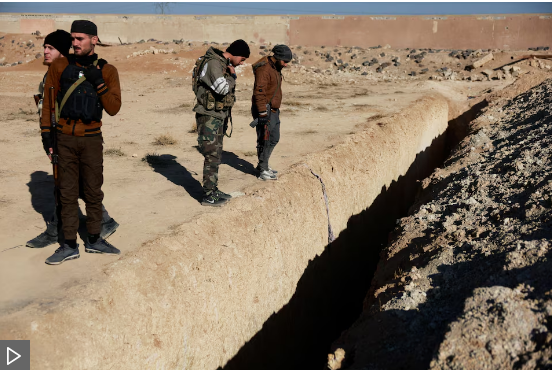
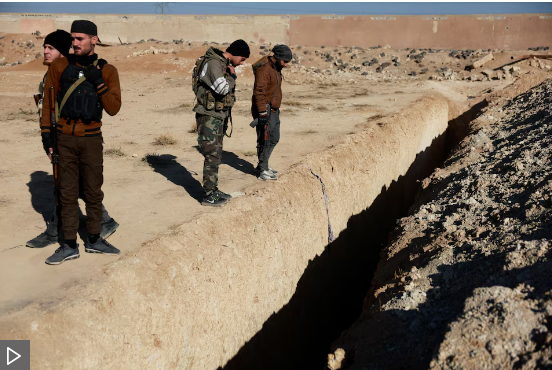
Emerging evidence from mass grave sites in Syria has unveiled a state-run "machinery of death" during the rule of ousted leader Bashar al-Assad. Over 100,000 individuals are believed to have been tortured and killed since 2013, according to a top war crimes prosecutor.
After visiting two mass grave sites in Qutayfah and Najha, near Damascus, Stephen Rapp, former U.S. ambassador-at-large for war crimes, told Reuters: "We certainly have more than 100,000 people who were disappeared, tortured to death, and buried in this system of killing. I have little doubt about these numbers given what we’ve observed in these mass graves."
Rapp, who previously led prosecutions in the Rwanda and Sierra Leone war crimes tribunals, described the scale of atrocities as unparalleled: "We haven’t seen anything like this since the Nazis." He is working with Syrian civil society to document war crimes and assist in preparing for future trials.
Rapp detailed the extensive system: "From the secret police abducting people from streets and homes, to the jailers and interrogators who starved and tortured them to death, to the truck drivers and bulldozer operators hiding the bodies—thousands were involved in this machinery of death."
A Legacy of State Terror
The Syrian conflict, which began in 2011 following Assad's crackdown on protests, has led to hundreds of thousands of deaths and accusations of widespread war crimes. Both Assad and his father, Hafez al-Assad, who ruled before him, have faced longstanding allegations of extrajudicial killings, mass executions within prisons, and the use of chemical weapons against civilians.
Assad, now exiled in Moscow, has consistently denied these accusations, dismissing them as propaganda from extremist groups.
Mass Graves: A Grim Discovery
Mouaz Moustafa, head of the U.S.-based Syrian Emergency Task Force, who also visited the Qutayfah site, estimated that over 100,000 bodies may have been buried there alone. Referring to the site, he described it as a "place of horrors."
Separately, the International Commission on Missing Persons (ICMP) in The Hague reported evidence suggesting as many as 66 unverified mass grave sites across Syria. More than 157,000 people have been reported missing to the commission.
Kathryne Bomberger, head of the ICMP, highlighted the challenges ahead: "The search for truth in Syria could be long and complex. Identifying victims will require DNA samples from at least three relatives for comparison with skeletal remains."
Urgent Need for Preservation
Bomberger called for immediate protection of mass grave sites to preserve evidence for potential trials. Despite this, many of these sites remain easily accessible, leaving them vulnerable to tampering or destruction.
The scale and systematic nature of these crimes underscore the urgent need for international accountability. For the families of the victims, the journey toward justice remains a long and painful process, marked by the hope of uncovering the truth about their loved ones.
News You Should See
Thanksgiving Storm Threatens Major US East Coast Travel Routes With Flooding and 60 MPH Winds
Manchester City Prepare for Tactical Battle Against Napoli in Champions League
Arsenal Face Borussia Dortmund in High-Stakes Champions League Test
The Hunger Games: Sunrise on the Reaping Delivers $225 Million Global Box Office Debut
US Data Centers Consume as Much Electricity as Michigan, Harvard Study Reveals
AI Enables a 12,000-Pound John Deere Loader to Perform Two-Wheel Stunts
Latest News
A developing Thanksgiving storm threatens the US East Coast with heavy rain, coastal flooding and wind gusts of up to 60 mph, raising concerns about airport operations, road travel and holiday transportation in major cities.
Manchester City host Napoli in a key Champions League clash, with Haaland, Foden and Cherki expected to lead the English side's attacking efforts.
Arsenal prepare to host Borussia Dortmund in a crucial Champions League clash, with injuries and tactical decisions potentially shaping the outcome.
The Hunger Games: Sunrise on the Reaping earns $225 million worldwide in its opening weekend, strengthening the franchise's box-office position.
Harvard research estimates that 403 US hyperscale data centers consume up to 99 terawatt-hours annually, raising concerns about AI's environmental impact.
Researchers train a 12,000-pound John Deere 332G loader using AI and reinforcement learning to balance on two wheels and perform controlled movements.
Kodak introduces SlideTag, a $34.99 digital photo accessory featuring a 1.54-inch E Ink screen, photo storage, and Bluetooth tracking support.
Samsung may skip next year's Galaxy Watch launch after disappointing sales expectations, potentially shifting to a two-year release cycle while prioritizing software improvements.
Barcelona come from two goals down to beat Villarreal 3-2 at Camp Nou, with Gerard Martín, Fermín López, and Pau Navarro's own goal securing victory.