Switzerland Ends World Cup Journey with Renewed Confidence After Historic Quarter-Final Campaign
Despite a dramatic extra-time defeat to Argentina, Switzerland leaves FIFA World Cup 2026 with enhanced international stature, tactical credibility, and a foundation for future success.

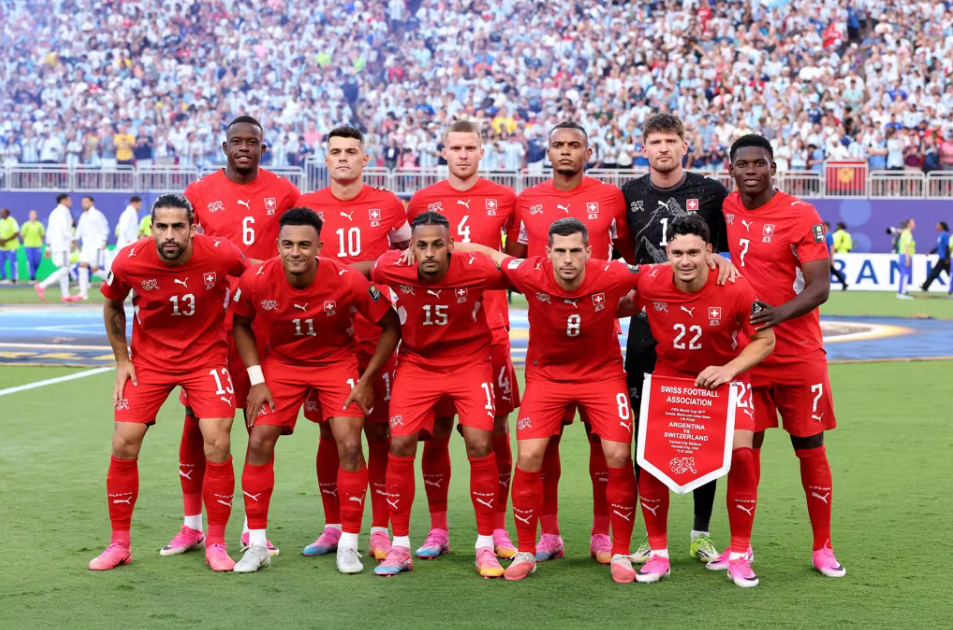
Switzerland's FIFA World Cup 2026 journey came to an emotional conclusion after a fiercely contested quarter-final against reigning world champions Argentina. Although the final result ended in a 3-1 defeat after extra time, Switzerland's campaign ultimately strengthened the nation's football identity, highlighting the remarkable progress achieved under head coach Murat Yakin and reinforcing the team's growing position among the world's elite.
The Swiss side approached one of the tournament's toughest challenges with confidence and tactical discipline. After falling behind early, they responded with composure rather than panic, gradually regaining control of possession and increasing the tempo throughout the second half. Their deserved equaliser reflected an intelligent tactical adjustment that temporarily shifted momentum away from Argentina and demonstrated Switzerland's ability to compete with the strongest football nations on equal terms.
A major turning point arrived when Breel Embolo received his second yellow card and was sent off. Playing with ten men dramatically altered the balance of the contest, forcing Switzerland to abandon their attacking structure in favour of defensive resilience. Even under sustained Argentine pressure, the Swiss defence remained organised and disciplined, extending the match deep into extra time before eventually conceding two late goals.
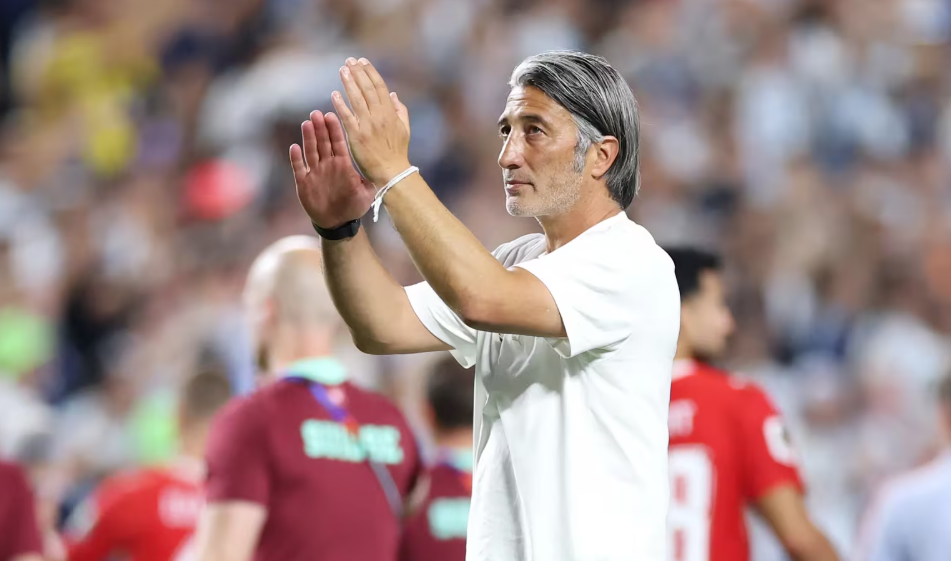
Despite the disappointment, Murat Yakin praised his players for delivering one of Switzerland's strongest performances on the global stage. He emphasized that his team had not only challenged the defending champions but had also controlled significant phases of the match while demonstrating courage, tactical intelligence, and unwavering commitment. For the coaching staff, the performance represented evidence that Switzerland's football development continues to move in the right direction.
Captain Granit Xhaka echoed those sentiments, acknowledging the frustration of coming so close to creating one of the tournament's biggest surprises. He noted that Switzerland believed victory remained within reach before the sending-off changed the course of the game. According to Xhaka, the silence inside the dressing room after the final whistle reflected both disappointment and the high standards the squad now expects from itself on football's biggest stage.
Switzerland's impressive run was built over several weeks of consistent performances. Following a difficult opening fixture against Qatar, the team responded with convincing victories over Bosnia and Herzegovina before defeating co-host Canada to secure first place in their group. Confidence continued to grow during the knockout rounds, where Switzerland comfortably defeated Algeria before overcoming Colombia in a dramatic penalty shootout to book a place in the quarter-finals.
From a strategic perspective, the tournament demonstrated the maturity of Switzerland's football project. Rather than relying solely on individual brilliance, the team showcased collective organisation, structured pressing, tactical flexibility, and mental resilience. These characteristics have increasingly become central to Switzerland's competitive identity and strengthen its long-term ambitions at major international tournaments.
The campaign also carries important economic and brand implications for Swiss football. Deep progression in a FIFA World Cup increases international exposure for players, enhances the commercial value of the national team, attracts greater sponsorship opportunities, and reinforces Switzerland's reputation as a nation capable of consistently developing high-level football talent. Such performances also generate stronger engagement among supporters and contribute positively to future investment in youth development and football infrastructure.
An indication of Switzerland's growing international respect came after the match when Argentina coach Lionel Scaloni personally congratulated Murat Yakin, acknowledging how difficult Switzerland had made the contest. The exchange illustrated that the defending world champions fully respected their opponents and recognised the quality of the challenge they had faced.
Although Switzerland's World Cup dream ended in Kansas City, the broader achievement extends well beyond a single result. By matching the nation's best-ever World Cup finish—first achieved when hosting the tournament in 1954—the Swiss national team reaffirmed its place among football's leading competitors. While disappointment naturally follows elimination, the overall campaign leaves behind a stronger sporting identity, increased international credibility, and valuable experience that will shape the team's future ambitions.
News You Should See
2026 Nobel Medicine Prize Honors Scientists Behind Optogenetics Breakthrough
Oil Prices Edge Lower as Stronger Middle East Exports and G7 Reserves Ease Supply Concerns
Trump Offers U.S. Assistance to Russia After Death at Siberian Plague Research Institute
Trump Takes Economic Message to Nebraska as GOP Faces Rising Cost-of-Living Pressure
U.S. Appeals Court Weighs Trump Administration’s $2.6 Billion Harvard Funding Fight
U.S. Midterm Elections Begin With Resilient Jobs Market and Persistent Cost Pressures
Latest News
The 2026 Nobel Prize in Physiology or Medicine honors Karl Deisseroth, Peter Hegemann and Georg Nagel for pioneering research behind optogenetics and its impact on neuroscience.
Oil prices edged lower as stronger Middle Eastern exports and a planned G7 release of 100 million barrels eased immediate supply concerns, while Gulf security risks and the Strait of Hormuz kept markets alert.
President Donald Trump said the United States would help Russia if needed after a laboratory worker died at a Siberian plague research institute, as Russian authorities imposed precautionary quarantine measures.
Trump’s Nebraska campaign stop highlights rising fuel and grocery costs, beef prices and growing economic pressure on Republicans ahead of the November midterm elections.
A U.S. appeals court is reviewing the Trump administration’s effort to cut Harvard’s federal research funding, with more than $2.6 billion at stake.
The U.S. enters the 2026 midterm elections with unemployment at 4.2%, while higher living and energy costs create economic pressure for households and businesses.
US services growth eased in September as input prices climbed to their highest level since July 2022, with fuel costs, supply-chain disruptions and strong demand increasing pressure on businesses.
Rising Treasury yields are increasing U.S. borrowing costs as Washington manages record debt, persistent inflation and strong economic demand, narrowing its policy options.
A EGP 16 million corporate partnership will establish and equip a bone marrow transplant unit at Cairo’s Coptic Hospital, supporting access to specialized treatment for patients.