Susan Collins Faces a Defining Senate Fight as Maine Voters Reassess Republican Leadership
The close contest between Republican Senator Susan Collins and Democrat Troy Jackson could influence control of the U.S. Senate, as economic pressures, partisan divisions and a $199 million campaign advertising battle reshape the race.

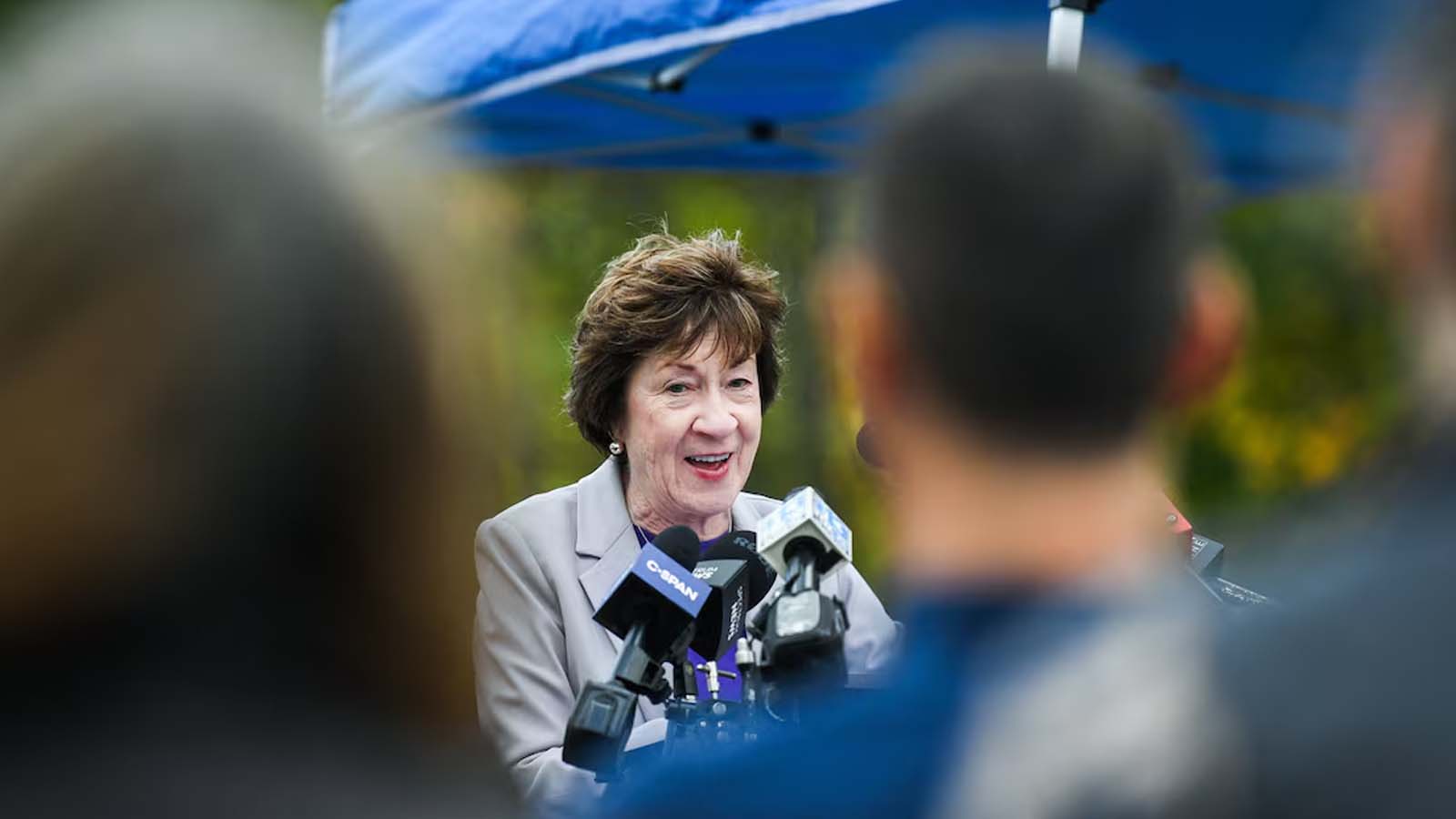
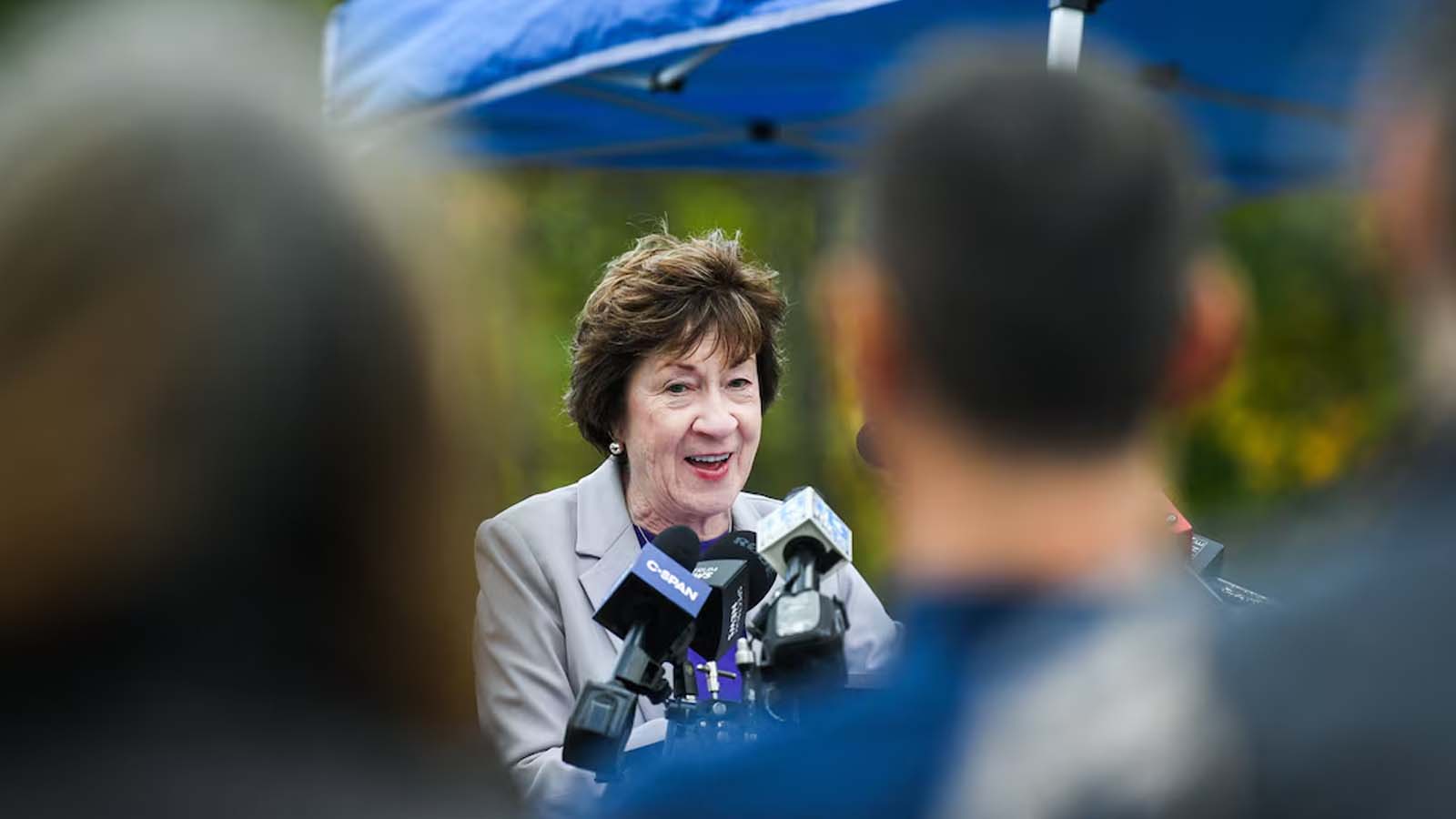
The contest for Maine’s U.S. Senate seat has become a critical test of whether a long-established reputation for political independence can withstand growing partisan polarization. Republican Senator Susan Collins is facing Democrat Troy Jackson in a closely contested race that could help determine control of the Senate following the November 3, 2026, midterm elections.
Collins has maintained a distinctive position in American politics since winning her first Senate election in 1996. Her ability to attract independent voters has repeatedly helped her remain competitive in a state that has leaned Democratic in presidential elections. This year, however, that political advantage faces greater pressure as voters increasingly connect congressional candidates with the national administration and the broader direction of their party.
Democrats need a net gain of four seats to take control of the 100-member Senate, currently held by Republicans. Maine is particularly important because Collins is the only Republican incumbent seeking reelection in a state that President Donald Trump lost in 2024. A Democratic victory would therefore represent more than a change in the state's representation: it could contribute to a shift in the balance of power in Washington.
Collins Builds Her Campaign Around Federal Influence
Collins is emphasizing her seniority on the Senate Appropriations Committee and her record of securing federal funding for projects in Maine. She says she has obtained nearly $1.5 billion in earmarked funding since 2021, supporting projects that include a wastewater treatment facility in North Windham, a dock in Bucksport and an emergency center in Farmington.
Her campaign strategy rests on a practical argument: a senator's influence can be measured by the resources and policy concessions delivered to constituents. This approach is particularly relevant in a state where infrastructure, rural healthcare and household energy costs have direct consequences for residents and local businesses.
Collins has also highlighted tariff exemptions obtained for road salt, cement and equipment used by Maine's blueberry, potato and apple producers. The exemptions are intended to limit the effects of trade tensions with Canada, an important economic relationship for the state.
Energy costs provide another central issue. The administration credited Collins with a role in releasing home-heating oil reserves as prices rose by more than 70% from the previous year. Roughly half of Maine households rely on heating oil, making fuel affordability a significant concern for voters as colder weather approaches.
The senator has further pointed to a $50 billion fund she helped develop to support rural hospitals facing pressure from healthcare cuts included in the 2025 tax and spending package. She has also cited funding for body-worn cameras and de-escalation training for federal immigration agents following the January killing of two U.S. citizens in Minnesota.
Taken together, these initiatives form the foundation of Collins' effort to distinguish her individual record from the broader Republican agenda. Her challenge is to convince voters that access to federal decision-makers and targeted policy adjustments can deliver meaningful protection even when they disagree with the administration.
Jackson Challenges the Cost of Policy Exceptions
Jackson, a former logger and president of the Maine Senate, is building his campaign around a different assessment of federal power. He argues that the concessions Collins has secured cannot compensate for the economic and social consequences of policies supported by the Republican administration.
His platform includes universal healthcare and higher taxes on wealthy Americans. Drawing on his upbringing in the logging community of Allagash, Jackson presents himself as a candidate focused on working households and residents who believe political and economic influence is concentrated among those with money and connections.
The central disagreement between the candidates concerns whether negotiating exemptions from federal policies is an effective form of representation or evidence that the policies themselves are damaging.
Jackson argues that Maine should not need special tariff exemptions to protect farmers and other businesses from the consequences of a trade dispute. He also links the increase in heating costs to the wider effects of the war with Iran, which has pushed oil prices higher globally. On immigration enforcement, he questions whether additional equipment and training are sufficient when serious incidents continue to occur.
These arguments broaden the campaign beyond local spending projects. They ask voters to evaluate the overall direction of federal policy, including trade, energy, healthcare and immigration enforcement, rather than judging their senator solely on the benefits secured for the state.
Economic Pressures Shape the Electoral Stakes
Maine's economic profile makes these policy disputes particularly consequential. Agricultural producers depend on equipment and other supplies, rural communities rely on accessible healthcare facilities, and many households remain exposed to fluctuations in heating fuel prices.
Tariffs can raise costs for businesses that purchase imported materials or equipment, potentially affecting operating expenses, investment decisions and consumer prices. In agriculture, additional costs can place pressure on margins in industries that depend on seasonal production and competitive pricing.
Higher heating expenses can also reduce household spending available for other goods and services. For small businesses, rising energy and transportation costs can complicate budgeting, while rural hospitals face financial challenges that can affect local employment and access to care.
Collins' record of targeted funding and exemptions offers a case for incremental relief. Jackson's criticism, by contrast, raises the question of whether addressing the underlying policy choices would produce broader and more durable benefits. The election will not resolve these economic questions by itself, but the result could influence how federal lawmakers approach them.
Campaign Spending Meets a Shrinking Persuadable Middle
The financial scale of the contest reflects its national significance. AdImpact estimates that spending on advertising in the Maine Senate race will reach $199 million, equivalent to approximately $170 for every adult in the state.
The campaign has become a highly visible contest across local media, with political advertisements appearing repeatedly during news broadcasts. Yet the intensity of the spending does not necessarily translate into a large pool of undecided voters.
Campaign volunteers report encountering relatively few voters who have not settled on a candidate. In Windham, a Portland suburb that supported Collins by a 14-percentage-point margin in 2020 while also backing Democrat Joe Biden for president, the race illustrates the potential volatility of voters who previously divided their choices between parties.
Some former Collins supporters are now moving toward Jackson because of their dissatisfaction with the Republican Party under Trump. That shift presents a particular challenge for Collins: her historical appeal has depended in part on voters who were willing to separate their judgment of her from their views of national party politics.
Democrats also faced a setback earlier in the campaign when Graham Platner, an oyster farmer and Marine veteran who had won the party's nomination, withdrew after facing a rape accusation that he denied. The party subsequently consolidated behind Jackson, preventing the nomination turmoil from becoming a lasting obstacle to its challenge.
The Broader Implications for Senate Control
The Maine contest highlights a strategic problem for both parties. Republicans must defend seats in states where the president's political standing may weaken their candidates, while Democrats must convert dissatisfaction with the administration into enough votes to change control of the chamber.
For Collins, the campaign is a test of whether institutional experience, constituent funding and a moderate reputation remain effective political assets in an increasingly polarized electorate. For Jackson, the opportunity lies in persuading voters that personal influence in Washington is less important than the policies that senators allow to advance.
The race also demonstrates the limits of campaign spending when voters are already strongly divided. With an estimated $199 million being directed toward advertising, campaigns are competing not only over policy arguments but also over the interpretation of each candidate's record and political identity. When few voters remain undecided, persuading a relatively small group of people to change their preferences may matter more than expanding general awareness.
The outcome will depend on whether Collins can retain enough independent-minded and moderate voters to offset Democratic opposition, or whether Jackson can build a coalition around economic concerns and dissatisfaction with the national Republican agenda. Beyond Maine, the result could contribute to determining the Senate's partisan balance and shape the legislative environment confronting the next Congress.
As Election Day approaches, the contest offers a clear measure of a broader political shift: the growing difficulty of maintaining a separate state-level identity when national party loyalties increasingly influence how voters judge their elected representatives.
News You Should See
Man City Faces Calls for Further Premier League Investigation Over Post-2018 Finances
Apple Maps Blurs Satellite Images of Key U.S. Military and NASA Sites
Who Is Delorean Bijon Brandon? The Case of Christina Downer’s Disappearance and Suspected Murder
From Siskel and Ebert to The Beatles: Celebrating Entertainment Legends
Olive Oil Before Carbs: Could Timing Influence Blood Sugar?
Jack Hughes Leads Devils to Shootout Victory, Ending Oilers’ Winning Run
Latest News
Premier League executives are debating a possible new investigation into Manchester City's finances after 2018, while the club appeals a verdict involving 114 financial-rule breaches.
Apple Maps has blurred satellite imagery of several U.S. military and NASA sites, including Cape Canaveral and Area 51. The reason for the changes remains unclear.
Delorean Bijon Brandon, 41, has been charged in connection with Christina Downer’s suspected murder after her disappearance in September 2025.
Chicago will honor film critics Gene Siskel and Roger Ebert with life-sized bronze statues, celebrating a partnership that reshaped popular film criticism.
Researchers are examining whether taking olive oil before glucose can slow stomach emptying and influence blood sugar levels, based on promising findings in mice.
Jack Hughes scores twice and adds an assist as the New Jersey Devils defeat the Edmonton Oilers 4-3 in a shootout, ending their three-game winning streak.
Researchers found that physical contact with dogs after an initial stressful task was associated with lower stress levels during a second challenge.
Researchers analyzed genetic data from 2.8 million people and identified 48 previously unknown genomic regions associated with Alzheimer's disease risk.
Screen-free schools are gaining interest among Silicon Valley tech families, raising questions about children's digital exposure and the role of technology in education.