Survivor finalist Ken McNickle reveals cancer diagnosis and launches a public conversation on men’s health
Reality TV star turns a personal health battle into a broader message about delayed medical care, masculinity, and preventive healthcare

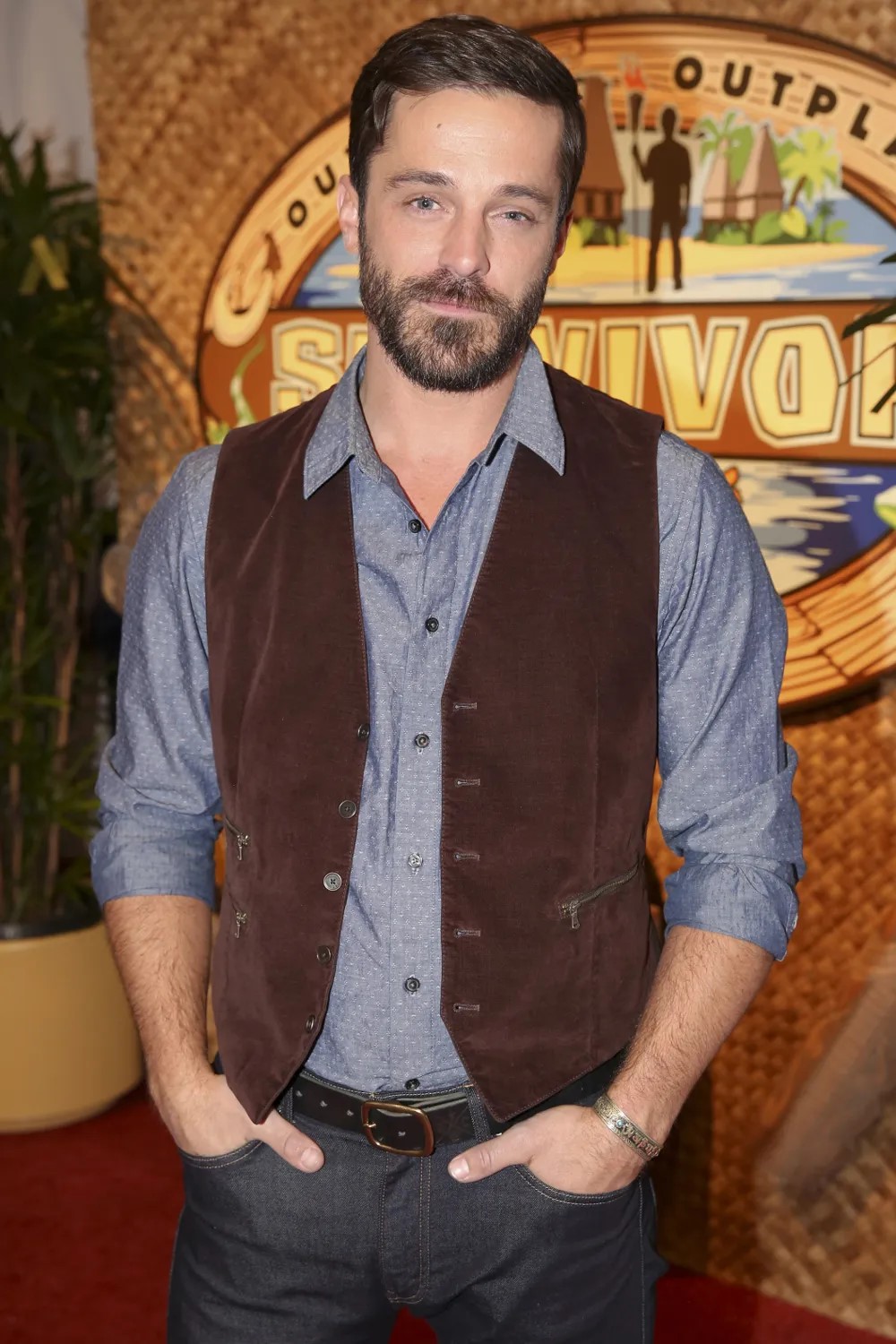
Ken McNickle, best known for finishing as runner-up on the reality competition series Survivor: Millennials vs. Gen X, has publicly revealed that he has been diagnosed with cancer, transforming what could have remained a private medical struggle into a wider discussion about health awareness and the barriers that prevent many people—particularly men—from seeking timely medical care.
McNickle shared the news through social media, describing the emotional impact of hearing the diagnosis. He reflected on the moment he was informed that he had cancer, explaining that the experience immediately shifted his perspective and forced him to confront questions about his health, future, and personal priorities. While he has not disclosed the specific type of cancer or details regarding treatment, he emphasized his intention to face the challenge with optimism and determination.
A major theme of McNickle’s message centered on regret over delaying medical evaluation. He revealed that he experienced multiple warning signs over an extended period before seeking professional care. According to his account, symptoms included severe skin-related complications, persistent rectal bleeding, and a lump that continued to grow before he finally pursued medical attention. He stated that earlier intervention might have resulted in a significantly less complicated medical outcome.
Beyond his personal diagnosis, McNickle used the experience to address broader societal attitudes toward men's health. He suggested that cultural expectations surrounding toughness, self-reliance, and emotional restraint may discourage many men from acknowledging vulnerability or seeking medical assistance when symptoms first appear. According to his reflections, messages commonly associated with traditional concepts of masculinity may contribute to delayed treatment and poorer health outcomes.
From a public health perspective, McNickle’s story illustrates a recurring challenge faced by healthcare systems worldwide: the gap between symptom recognition and medical action. Experts frequently identify delayed diagnosis as a major factor influencing treatment complexity, healthcare costs, and long-term outcomes. Personal stories from public figures often play an important role in encouraging audiences to seek preventive care and routine medical screening.
The announcement also highlights the evolving role of celebrity communication in the digital era. Public figures increasingly use personal platforms not only to share life updates but also to advocate for social and health-related causes. By discussing his experience openly, McNickle transformed a deeply personal event into a broader awareness campaign aimed at encouraging proactive healthcare behavior.
From a branding and public-image perspective, the response demonstrates how authenticity and vulnerability have become increasingly influential elements of modern public engagement. Rather than focusing exclusively on the diagnosis itself, much of the public reaction centered on McNickle’s transparency and willingness to discuss difficult health issues openly. This approach often strengthens audience trust and creates meaningful conversations around subjects that may otherwise remain stigmatized.
Ultimately, McNickle’s announcement extends beyond celebrity news. It serves as a reminder of the importance of early detection, regular medical checkups, and removing social barriers that discourage individuals from seeking help when health concerns first emerge. His message consistently emphasized one central lesson: ignoring symptoms can carry serious consequences, while timely action may significantly improve outcomes.
News You Should See
P&G Raises Fiscal 2027 Cost Warning as Oil and Freight Expenses Threaten Profits
Chemical Tank Leak in Toledo Triggers Evacuations and Industrial Disruptions
Judge Sets December 11 Deadline for Trump Deposition in BBC Defamation Case
Iowa Senate Race Tests How Far Republicans Can Separate Themselves From Trump
California State Workers Strike Over Pay, Healthcare and Return-to-Office Rules
Streaming’s October Showdown: How Disney, Netflix and Major Entertainment Brands Compete for Audiences
Latest News
Procter & Gamble expects commodity, energy and transportation costs to reduce fiscal 2027 profit by $1.4 billion. Quarterly sales rose 4% to $23.28 billion, beating analyst expectations.
A ruptured chemical tank in Toledo, Ohio, prompted evacuations, school closures and an industrial shutdown. Authorities have reduced the restricted zone as the release slows and cleanup preparations continue.
A federal judge has ordered Donald Trump to give a deposition by December 11, 2026, in his $10 billion lawsuit against the BBC, with possible sanctions for noncompliance as the discovery deadline approaches.
Iowa’s 2026 Senate race pits Republican Ashley Hinson, balancing Trump support with economic concerns, against Democrat Josh Turek, who emphasizes bipartisanship amid rising campaign spending.
Thousands of California state workers struck on October 21 over a proposed three-year pay increase, healthcare costs and a four-day office attendance requirement as contract negotiations continued.
October 2026 brings major entertainment releases across Disney+, Netflix, HBO Max, Hulu, Prime Video and Peacock. Explore how familiar franchises, exclusive programming, new music and video games shape competition for streaming audiences.
Saudia advises travelers to book flights through Al Qassim Airport for Riyadh connections, offering free hourly shuttle buses in both directions until further notice.
An AP-NORC poll shows Democratic confidence in accurate vote counting falling to 55%, while Republican confidence rises to 38%, highlighting election integrity concerns ahead of the 2026 US midterms.
Donald Trump campaigns in North Carolina ahead of the November 2026 midterms as low approval ratings, rising fuel costs, Democratic early-voting gains and funding disparities challenge Republican efforts to retain control of Congress.