Supreme Court Takes Up High-Stakes Climate Fight Over Oil Companies
Boulder’s case against ExxonMobil and Suncor could determine whether oil companies face financial claims over climate-related disasters.

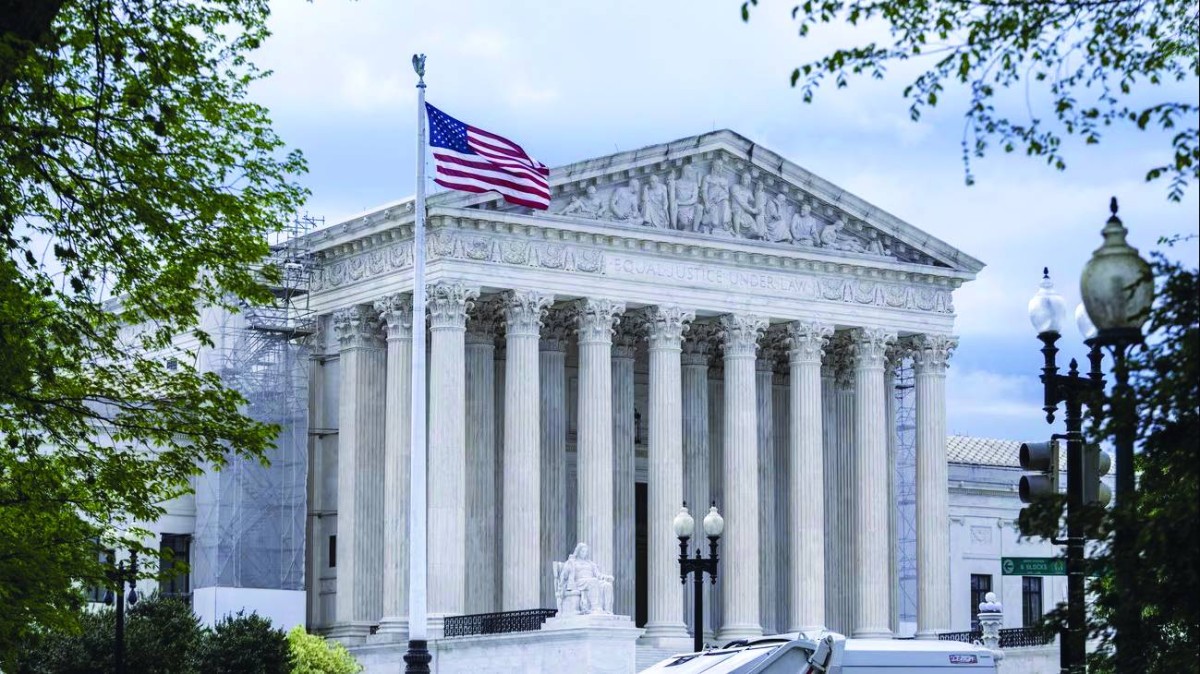
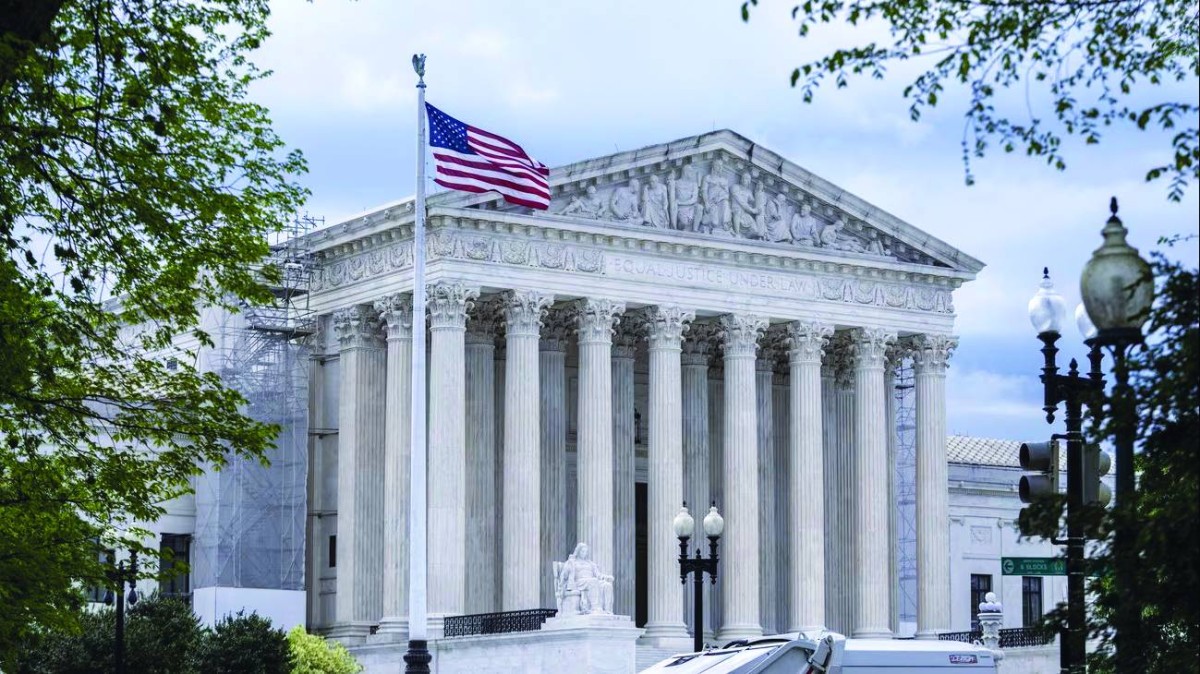
The U.S. Supreme Court is preparing to consider a climate litigation dispute that could have consequences well beyond Colorado, placing the financial exposure of major oil companies and the authority of state and local governments at the center of a growing national debate.
The case was brought by the city and county of Boulder against ExxonMobil and Suncor Energy. Filed in 2018, before the devastating Marshall Fire, the lawsuit argues that the companies violated state law by misleading the public about the role of fossil fuels in climate change. Boulder is seeking damages to help address the escalating costs associated with climate-related disasters.
The timing of the case has become particularly significant because the Marshall Fire later turned the legal argument into a tangible local issue. The 2021 blaze destroyed homes, including that of Boulder County resident Tawnya Somauroo, and caused an estimated $2 billion in damage, making it the most expensive wildfire in Colorado history. Climate change was considered a contributing factor to the disaster.
For the energy industry, the dispute represents a potentially important shift in the way climate-related financial risk could be allocated. Oil and gas companies have historically operated under federal and state regulatory frameworks governing production, emissions and environmental compliance. A successful wave of local lawsuits could add another layer of exposure by linking corporate conduct to the costs of adapting communities to increasingly damaging weather events.
That possibility is one reason the case is being closely watched beyond Boulder. Dozens of jurisdictions around the United States have pursued similar litigation against fossil-fuel companies. A decision that allows such claims to proceed could strengthen the negotiating position of municipalities seeking compensation, while a ruling restricting them could narrow one of the emerging legal avenues for recovering disaster-related costs.
The companies and their industry supporters are challenging that approach on both legal and strategic grounds. They argue that climate change is a global phenomenon involving emissions from economies and populations around the world, making state-by-state litigation an unsuitable mechanism for determining responsibility. The federal government has backed the companies, arguing that the lawsuits effectively attempt to regulate greenhouse-gas emissions through state courts.
That federalism question is central to the case. The administration argues that the Clean Air Act gives the federal government primary authority over greenhouse-gas regulation and that individual states cannot impose their own regulatory preferences on a global issue. Boulder, however, maintains that its lawsuit is narrower: it is seeking compensation for costs already being experienced locally rather than attempting to regulate emissions outside Colorado.
The dispute also arrives at a consequential moment for U.S. environmental policy. The Environmental Protection Agency recently repealed rules limiting greenhouse-gas emissions from coal- and natural-gas-fired power plants, reducing part of the federal government's climate regulatory reach. That policy direction could make the Supreme Court's treatment of state-level climate litigation even more important for companies and local governments assessing their respective responsibilities.
For corporate strategy, the case raises a broader question about how companies should evaluate liabilities associated with environmental risks. The financial impact of climate-related litigation would not necessarily be limited to court judgments. Legal exposure can influence insurance costs, investor assessments, capital allocation, disclosure practices and long-term planning. Companies operating in industries closely associated with greenhouse-gas emissions may increasingly have to consider litigation risk alongside traditional regulatory and market risks.
The case also carries implications for corporate reputation. The Boulder lawsuit centers partly on allegations that fossil-fuel companies misled the public about climate change. Regardless of the eventual legal outcome, litigation of this type can intensify scrutiny of corporate communications, historical research, public disclosures and environmental claims. For energy companies, the issue therefore extends beyond potential financial damages to questions about credibility and institutional trust.
The Supreme Court's composition adds another layer of uncertainty. Justice Samuel Alito has recused himself after scrutiny of his holdings in oil companies, leaving eight justices to hear the case. That creates the possibility of a tied decision, while the court is also considering whether it has jurisdiction to hear the dispute at this stage. The jurisdictional issue could allow the court to resolve the case without directly deciding the underlying climate-liability questions.
The court's broader environmental record will also be closely examined. Its conservative majority has previously limited the Environmental Protection Agency's authority to regulate carbon dioxide emissions from power plants, making the outcome particularly relevant to the boundaries between federal environmental policy, state authority and corporate accountability.
Whatever the final outcome, the Boulder case illustrates how climate change is increasingly becoming a financial and legal issue for corporations rather than solely an environmental policy debate. Communities facing higher costs for rebuilding, fire prevention and climate adaptation are searching for ways to distribute those expenses, while companies are seeking predictable rules that do not expose them to potentially unlimited liability through separate state lawsuits.
A ruling that permits broader climate-damages claims could encourage additional jurisdictions to pursue fossil-fuel companies and increase pressure on the industry to reassess litigation reserves, insurance coverage and risk management. A decision favoring the companies could instead reinforce federal authority and make legislative or regulatory action more important for communities seeking financial support.
The case therefore has significance beyond the parties involved. It could help define whether the costs of climate adaptation remain primarily a public responsibility or whether companies that produce and market fossil fuels can be required to contribute directly to those expenses. That question is likely to remain central to corporate strategy, energy policy and climate litigation in the United States regardless of how the Supreme Court ultimately resolves the dispute.
News You Should See
2026 Nobel Medicine Prize Honors Scientists Behind Optogenetics Breakthrough
Oil Prices Edge Lower as Stronger Middle East Exports and G7 Reserves Ease Supply Concerns
Trump Offers U.S. Assistance to Russia After Death at Siberian Plague Research Institute
Trump Takes Economic Message to Nebraska as GOP Faces Rising Cost-of-Living Pressure
U.S. Appeals Court Weighs Trump Administration’s $2.6 Billion Harvard Funding Fight
U.S. Midterm Elections Begin With Resilient Jobs Market and Persistent Cost Pressures
Latest News
The 2026 Nobel Prize in Physiology or Medicine honors Karl Deisseroth, Peter Hegemann and Georg Nagel for pioneering research behind optogenetics and its impact on neuroscience.
Oil prices edged lower as stronger Middle Eastern exports and a planned G7 release of 100 million barrels eased immediate supply concerns, while Gulf security risks and the Strait of Hormuz kept markets alert.
President Donald Trump said the United States would help Russia if needed after a laboratory worker died at a Siberian plague research institute, as Russian authorities imposed precautionary quarantine measures.
Trump’s Nebraska campaign stop highlights rising fuel and grocery costs, beef prices and growing economic pressure on Republicans ahead of the November midterm elections.
A U.S. appeals court is reviewing the Trump administration’s effort to cut Harvard’s federal research funding, with more than $2.6 billion at stake.
The U.S. enters the 2026 midterm elections with unemployment at 4.2%, while higher living and energy costs create economic pressure for households and businesses.
US services growth eased in September as input prices climbed to their highest level since July 2022, with fuel costs, supply-chain disruptions and strong demand increasing pressure on businesses.
Rising Treasury yields are increasing U.S. borrowing costs as Washington manages record debt, persistent inflation and strong economic demand, narrowing its policy options.
A EGP 16 million corporate partnership will establish and equip a bone marrow transplant unit at Cairo’s Coptic Hospital, supporting access to specialized treatment for patients.