Supreme Court Allows Trump to Proceed With Mass Federal Worker Firings
In a major decision, the Supreme Court lifts a legal block on President Trump’s sweeping plan to downsize the federal government

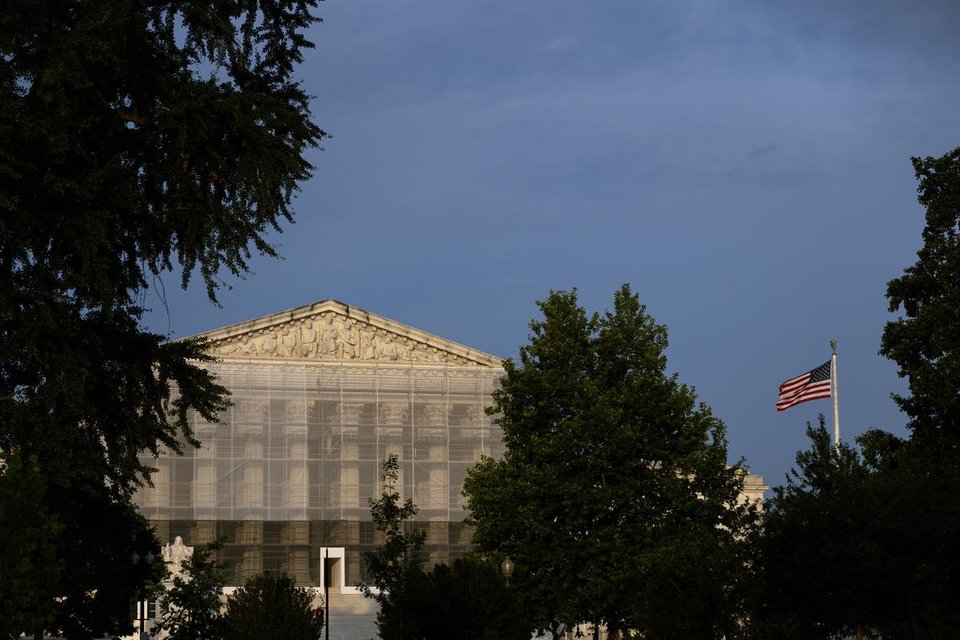
WASHINGTON — The U.S. Supreme Court has cleared the way for President Donald Trump to begin implementing a controversial plan to fire tens of thousands of federal employees, as part of a sweeping effort to reshape the federal government.
In a July 8 decision, the Court issued an unsigned order lifting a lower court's injunction that had temporarily blocked the move. The justices said the executive order authorizing the mass layoffs is likely legal, though they stopped short of ruling on the validity of specific agency reorganization plans.
The decision enables Mr. Trump to proceed with a central initiative of his second term: downsizing the federal workforce and dismantling several government programs.
🏛️ Background: Executive Action Without Congress
Shortly after returning to office in January, President Trump signed a February 11 executive order directing federal agencies to prepare large-scale workforce reduction plans, targeting positions not deemed “essential.”
The reorganization is spearheaded by the Department of Government Efficiency (DOGE) — a Trump-era creation formerly led by Elon Musk. The department is tasked with eliminating redundancy and streamlining government operations.
However, Judge Susan Illston of the U.S. District Court had blocked the order in May, citing the need for congressional authorization before such sweeping changes to the federal bureaucracy could be made.
A coalition of labor unions, nonprofits, and other advocacy groups sued the administration, arguing the President was exceeding executive authority by initiating mass terminations and restructuring federal agencies without legislative approval.
⚖️ Supreme Court’s Ruling and Divided Opinions
The Supreme Court’s order noted that “the government is likely to succeed on its argument that the executive order and memorandum are lawful.” But the Court made clear it was not ruling on the legality of specific agency actions, which will continue to be contested in lower courts.
“The plans themselves are not before this Court, at this stage,” wrote Justice Sonia Sotomayor, who supported the stay. “We thus have no occasion to consider whether they can and will be carried out consistent with the constraints of law.”
The only dissent came from Justice Ketanji Brown Jackson, who strongly criticized the majority’s decision to lift the block so early in the legal process.
“For some reason, this court sees fit to step in now and release the President’s wrecking ball at the outset of this litigation,” Jackson wrote. “While presidents possess some discretion to reduce federal employment, they may not fundamentally restructure the federal government all on their own.”
🔥 What's At Stake
Trump’s restructuring plan includes:
Firing tens of thousands of federal workers
Eliminating agencies and programs like USAID and diversity initiatives
Reshaping federal departments to align with a “leaner, more efficient” model of government
Critics warn the plan could have devastating impacts on public services, global aid, and government accountability.
The Supreme Court’s green light means the Trump administration can now move forward with its restructuring plans—even as major legal battles continue in lower courts.
News You Should See
Queens Celebrates Arts, Music and Family Activities with Diverse Weekend Events
Hollywood Faces New AI Debate as Startup Explores Selling Digital Versions of Human Faces
Arsenal Face Goalkeeping Concerns After David Raya Injury
European Leaders Urge New Iran Policy, Back Democratic Opposition and Reject Monarchy
Bayonne Mayor Sharon Ashe-Nadrowski Joins Thanksgiving Turkey Drive, Praises Community Organizations and Invites Residents to Attend
Seattle Communities Celebrate Holiday Season with Local Markets and Cultural Activities
Latest News
Queens hosts a weekend of cultural events featuring artisan markets, children's classical music activities, documentary screenings, gardening workshops and theater.
A microdrama startup explores selling AI-generated digital faces, raising concerns about consent, ownership, compensation, and the future of Hollywood performers.
Arsenal draw 2-2 with Newcastle as goalkeeper David Raya suffers an injury, raising concerns for Mikel Arteta ahead of upcoming Premier League fixtures.
Former European leaders and parliamentarians call for a new Western policy toward Iran, supporting an Iranian-led democratic transition and stronger human rights measures while rejecting a return to monarchy.
Bayonne Mayor Sharon Ashe-Nadrowski joins a Thanksgiving turkey drive with local organizations, police officers, and volunteers to support families.
Explore holiday markets, handmade gifts, live music, and cultural events in Shoreline and Lake Forest Park, Washington, on November 22.
Nvidia faces contrasting industry expectations as AI demand grows, with its financial performance and leadership shaping the future of computing.
Signal introduces mobile screenshot restrictions on Android and iOS as concerns grow over AI-powered surveillance and digital privacy.
AI agents are transforming messaging platforms by helping users organize daily activities, plan travel, manage work, and complete everyday tasks.