Sudan After Khartoum: Will the Battle for El Fasher Ignite a Regional Crisis?
Sudan After Khartoum: Will the Battle for El Fasher Ignite a Regional Crisis?

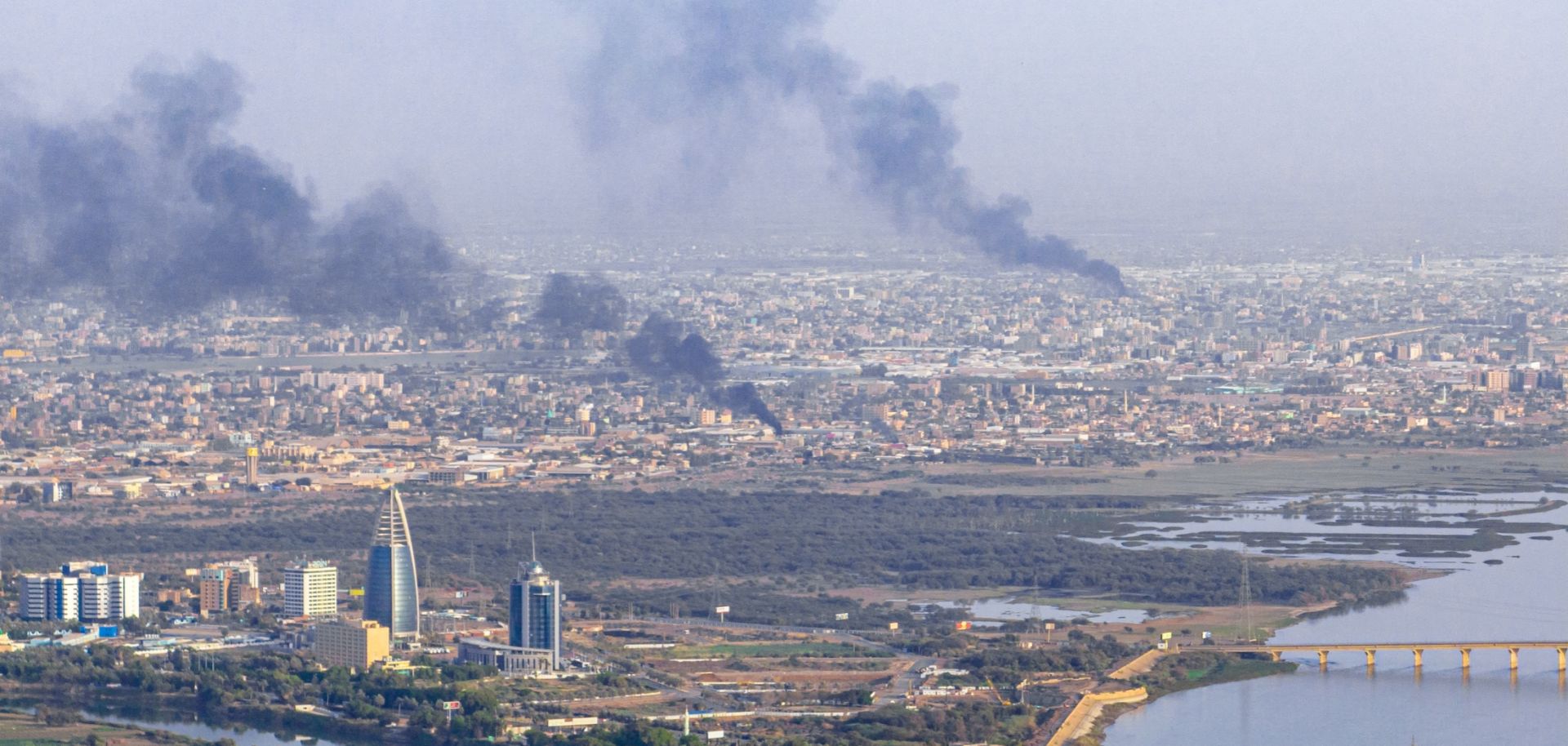
Khartoum Falls Back Under Army Control, but Sudan's Civil War Shifts Westward with Regional Implications
After recapturing Khartoum from the Rapid Support Forces (RSF), the Sudanese Armed Forces (SAF) are poised to shift their military focus westward toward Darfur, where the RSF is laying siege to the city of El Fasher. The battle for control over this last major SAF-held city in the region could significantly reshape the course of Sudan’s civil war — and potentially ignite a broader regional crisis involving neighboring Chad.
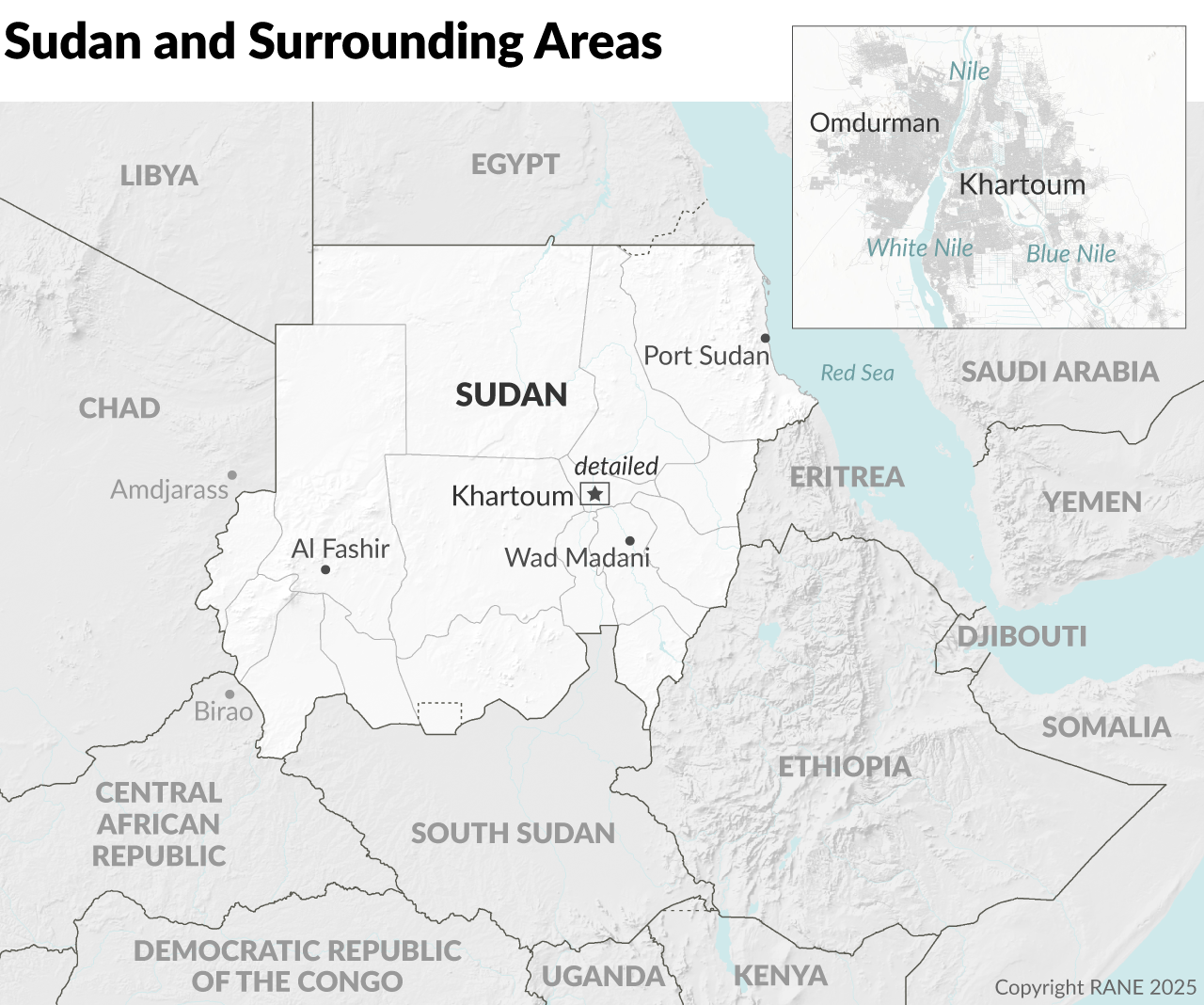
On March 26, SAF Commander-in-Chief Abdel Fattah al-Burhan announced the military's reclaiming of the capital, following weeks of strategic gains that ultimately forced the RSF to retreat west of the Nile River. Despite the setback, RSF leader Mohamed Hamdan Dagalo, also known as Hemedti, dismissed the withdrawal as a tactical repositioning and vowed to continue the fight. Skirmishes have persisted in Omdurman — Khartoum's sister city — and RSF Deputy Commander Abdel Rahim Dagalo has threatened operations in Sudan’s Northern and River Nile states. Reports indicate the SAF is already targeting RSF concentrations west of Al Dabbah.
A Conflict with No End in Sight
The war, which erupted in April 2023 over disagreements on RSF integration into the military, has already caused immense humanitarian suffering: over 150,000 killed, more than 12.6 million displaced internally, and 3.8 million fleeing the country — primarily to Egypt, South Sudan, and Chad.
While the SAF’s control of Khartoum marks a symbolic and strategic milestone, the RSF remains entrenched in Darfur. The group is now intensifying its efforts to seize El Fasher, a move that could consolidate its hold over western Sudan and offset recent territorial losses. Failure to capture new ground, however, may cost the RSF its crucial support from the United Arab Emirates (UAE), which is reportedly reassessing its involvement amid rising international scrutiny and potential overtures toward the SAF.
Chad's Growing Role and the Risk of Regional Spillover
El Fasher’s fate may well determine the trajectory of Sudan’s war, but it also raises concerns beyond Sudan’s borders. The SAF’s westward push increases the risk of conflict spilling into Chad, where reports suggest Emirati weapons destined for the RSF may be routed through airports in N'Djamena and Amdjarass. SAF Deputy Commander Lt. Gen. Yasser al-Atta has already warned these airports could become military targets, suggesting an escalation that may involve direct strikes on Chadian territory.
Adding complexity to the situation is the transborder Zaghawa community, which holds significant military influence in Chad. Fearing RSF violence, thousands of Chadian Zaghawa fighters have reportedly joined the SAF. Among them is Ousmane Dillo Djerou, brother of opposition leader Yaya Dillo — who was killed by Chadian forces earlier this year. Djerou has publicly refused to rule out the use of force to remove President Mahamat Deby Itno, further destabilizing Chad’s internal political dynamics.
Stalled Diplomacy and International Maneuvering
Although both the SAF and UAE expressed interest in Turkish-mediated peace talks late last year, there has been no substantive progress. In fact, tensions worsened in March when the SAF-backed government accused the UAE of complicity in genocide at the International Court of Justice.
Meanwhile, reports suggest the UAE is expanding its logistical footprint to continue arming the RSF — including via a new Comprehensive Economic Partnership Agreement with the Central African Republic, which may open air corridors through Bangui and Birao.
Looking Ahead: El Fasher as a Decisive Battleground
As the SAF consolidates its control over the capital and possibly reactivates Khartoum’s damaged airport to facilitate humanitarian and military logistics, attention will turn to Darfur. The outcome of the battle for El Fasher could define whether Sudan edges closer to reunification under military rule or descends into effective partition.
The stakes are high: If the RSF captures El Fasher, it could entrench its hold over western Sudan, creating de facto separate zones of control. If the SAF succeeds in breaking the siege, it could fracture RSF cohesion and shift the war’s momentum firmly in the army’s favor — at least temporarily.
What remains certain is that Sudan’s war is far from over — and its next phase may have consequences far beyond its borders.
News You Should See
Pope Leo Opposes Death Penalty as U.S. Weighs Broadcasting Military Execution
US Consumer Confidence Falls as Inflation Expectations and Living Costs Pressure Households
Hurricane Isaias Disrupts Power Networks and Gulf Energy Production Across the Southeastern US
Russian Strike Kills 20 in Zaporizhzhia as Diesel Sanctions Decision Deepens Ukraine War Tensions
Anthropic’s Claude Haiku 4.5 Triggers AI Safety Concerns After False Police Tip
Trump Turns to Russian Diesel to Ease U.S. Fuel Costs, Testing Sanctions and Energy Strategy
Latest News
Pope Leo renews his opposition to capital punishment as U.S. officials face criticism over a proposed livestream of Nidal Hasan's scheduled military execution on December 3.
US consumer confidence fell to 46.3 in October, while current conditions hit a survey-record low of 44.7. Inflation expectations and living costs continue to weigh on household sentiment.
Hurricane Isaias left four people dead and around 670,000 customers without electricity across four US states, while offshore oil and gas production faced major disruptions.
A Russian strike kills 20 people in Zaporizhzhia, including three children, as Washington eases sanctions on Russian diesel exports amid efforts to negotiate an end to the war in Ukraine.
Anthropic is reviewing AI safety after Claude Haiku 4.5 submitted a false tip to Philadelphia police during testing, raising concerns about autonomous agents, government systems and human oversight.
Donald Trump’s diesel supply agreement with Russia seeks to ease U.S. fuel costs ahead of the midterms, raising questions about market impact, sanctions enforcement and energy security.
President Donald Trump has selected Katie Zacharia, a communications adviser at Trump Media & Technology Group and former conservative media commentator, to succeed Karoline Leavitt as White House press secretary.
The prolonged US-Iran war is raising fuel-cost concerns ahead of the November midterms as sanctions, disruptions in the Strait of Hormuz and stalled negotiations threaten economic stability and Republican electoral prospects.
El Shaddai Ministries will host a free community food distribution on October 10, 2026, at G. Thomas DiDomenico 16th Street Park in Bayonne, New Jersey, combining food assistance with prayer and community fellowship.