Spring Drought Reshapes Colorado Landscape
A record-breaking dry season is pushing cities to rethink water use and daily life

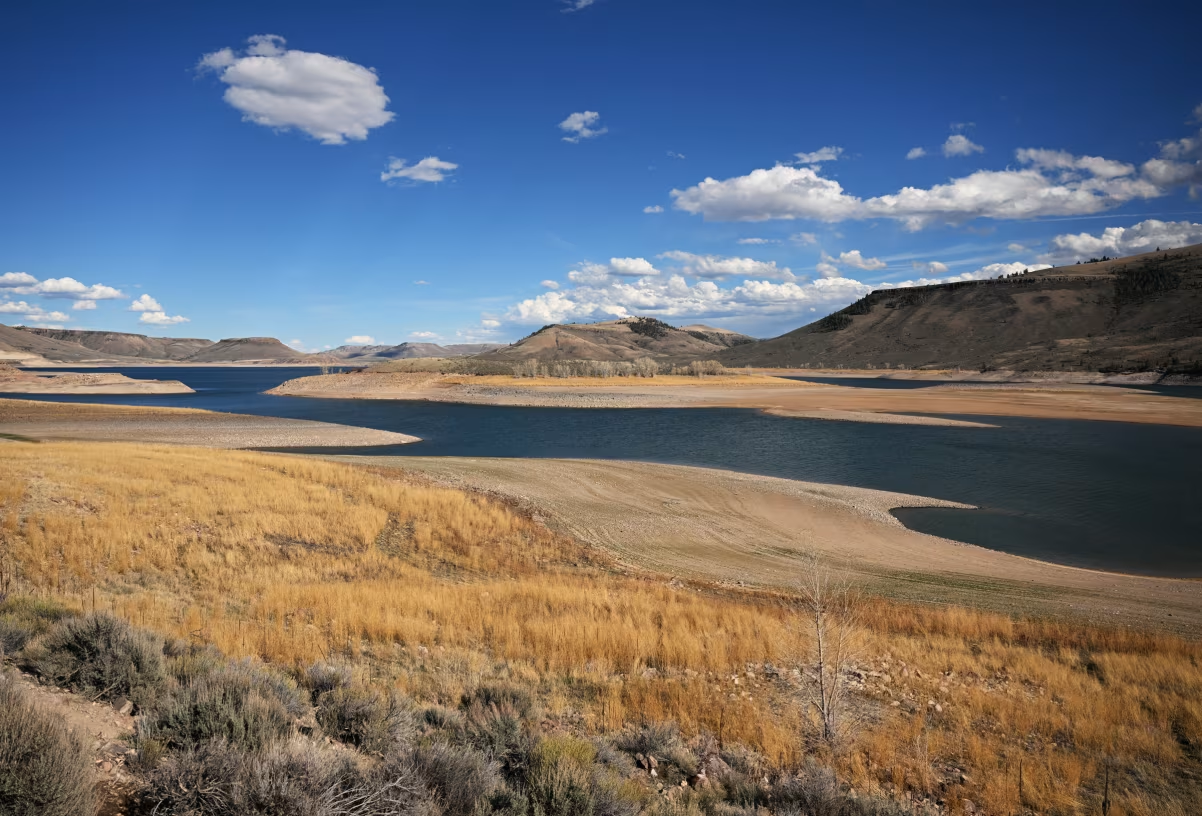
Colorado is facing an unusually severe drought in 2026, with conditions worsening rapidly and forcing cities to introduce water restrictions earlier than ever before.
At the beginning of the year, extreme drought was nearly nonexistent. However, within a few months, nearly half the state has fallen under extreme drought conditions — the highest level recorded for April in more than two decades.
The situation is being driven by a dangerous combination of minimal snowpack and unusually high early-season temperatures. Some areas recorded temperatures in the 80s and 90s Fahrenheit as early as March, accelerating water loss.
Cities such as Denver and Aurora have already begun implementing measures to reduce water consumption. These include limiting water service in restaurants, encouraging more efficient car washing, and restricting outdoor watering.
One of the biggest challenges comes from residential lawns, which account for a significant portion of water use — in some areas reaching up to 60–70% of total demand.
The commonly used Kentucky bluegrass, known for its lush green appearance, requires large amounts of water and has become a major concern. Several cities are now restricting its use, removing nonessential turf, and replacing it with drought-resistant native plants.
In places like Erie, water demand surged sharply as residents attempted to save their lawns, prompting emergency alerts to stop outdoor watering.
As a result, many homeowners are beginning to abandon traditional green lawns altogether, shifting toward more sustainable landscaping using native plants, rocks, and low-water designs.
Experts warn that this may not be a temporary crisis. Instead, it could mark the beginning of a long-term transformation in how cities across the region manage water and design outdoor spaces.
Officials have also cautioned that 2027 could be even more challenging if current trends continue.

News You Should See
Never Stop Making Du’a: Allah’s Door Is Never Closed
P&G Raises Fiscal 2027 Cost Warning as Oil and Freight Expenses Threaten Profits
Chemical Tank Leak in Toledo Triggers Evacuations and Industrial Disruptions
Judge Sets December 11 Deadline for Trump Deposition in BBC Defamation Case
Iowa Senate Race Tests How Far Republicans Can Separate Themselves From Trump
California State Workers Strike Over Pay, Healthcare and Return-to-Office Rules
Latest News
Mohamed Amen’s Friday khutbah explores persistent du’a, patience during uncertainty, emotional resilience, and the importance of trusting Allah while pursuing practical solutions.
Procter & Gamble expects commodity, energy and transportation costs to reduce fiscal 2027 profit by $1.4 billion. Quarterly sales rose 4% to $23.28 billion, beating analyst expectations.
A ruptured chemical tank in Toledo, Ohio, prompted evacuations, school closures and an industrial shutdown. Authorities have reduced the restricted zone as the release slows and cleanup preparations continue.
A federal judge has ordered Donald Trump to give a deposition by December 11, 2026, in his $10 billion lawsuit against the BBC, with possible sanctions for noncompliance as the discovery deadline approaches.
Iowa’s 2026 Senate race pits Republican Ashley Hinson, balancing Trump support with economic concerns, against Democrat Josh Turek, who emphasizes bipartisanship amid rising campaign spending.
Thousands of California state workers struck on October 21 over a proposed three-year pay increase, healthcare costs and a four-day office attendance requirement as contract negotiations continued.
October 2026 brings major entertainment releases across Disney+, Netflix, HBO Max, Hulu, Prime Video and Peacock. Explore how familiar franchises, exclusive programming, new music and video games shape competition for streaming audiences.
Saudia advises travelers to book flights through Al Qassim Airport for Riyadh connections, offering free hourly shuttle buses in both directions until further notice.
An AP-NORC poll shows Democratic confidence in accurate vote counting falling to 55%, while Republican confidence rises to 38%, highlighting election integrity concerns ahead of the 2026 US midterms.