Spain Enters World Cup Semi-Final with Confidence as Yamal Rejects Pressure Narrative
Luis de la Fuente promotes composure and attacking identity while Lamine Yamal embraces the biggest match of his career ahead of the clash with France.

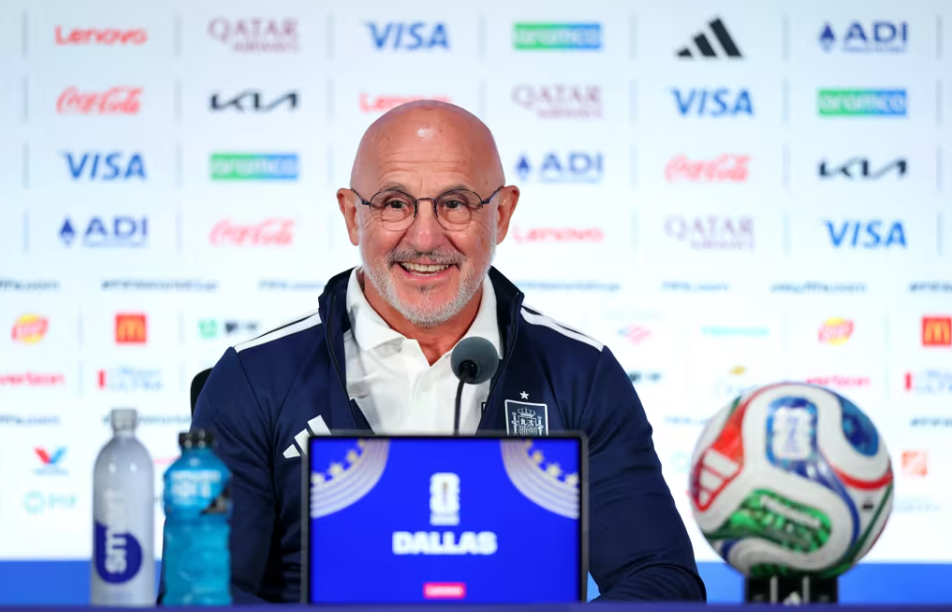
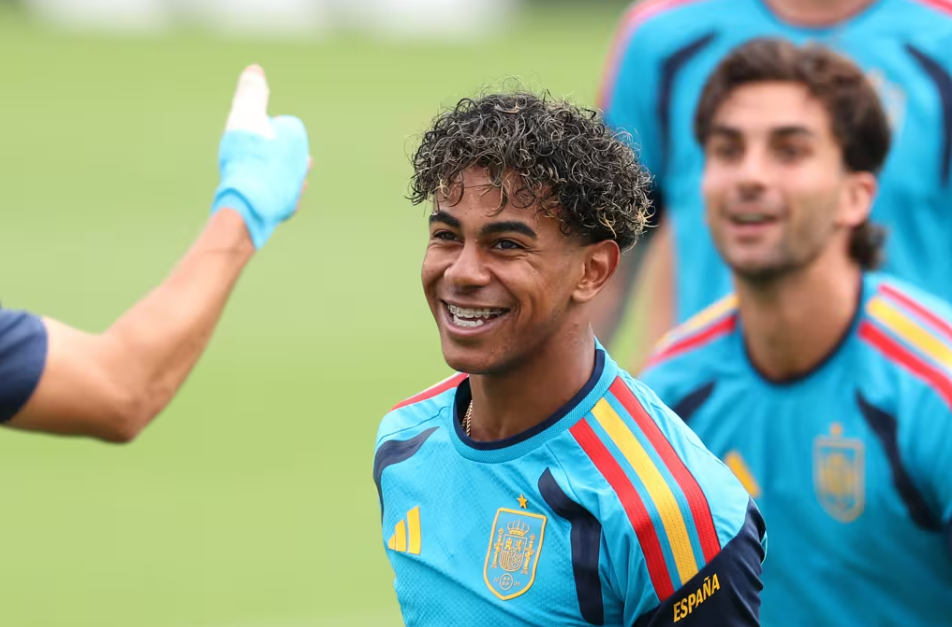
Spain approaches one of the defining moments of its modern football era with a clear sense of confidence, strategic discipline, and belief in its collective identity. Sixteen years after lifting the FIFA World Cup trophy in South Africa, La Roja now stands one victory away from another appearance in the tournament's final, facing an experienced French side that combines world-class talent with recent World Cup success.
Rather than allowing the magnitude of the occasion to influence preparations, head coach Luis de la Fuente has built his team's mentality around emotional stability and tactical clarity. Throughout Spain's campaign, the squad has repeatedly demonstrated resilience by producing decisive late victories against Portugal in the Round of 16 and Belgium in the quarter-finals. Those performances have reinforced a competitive culture centered on patience, confidence, and execution under pressure.
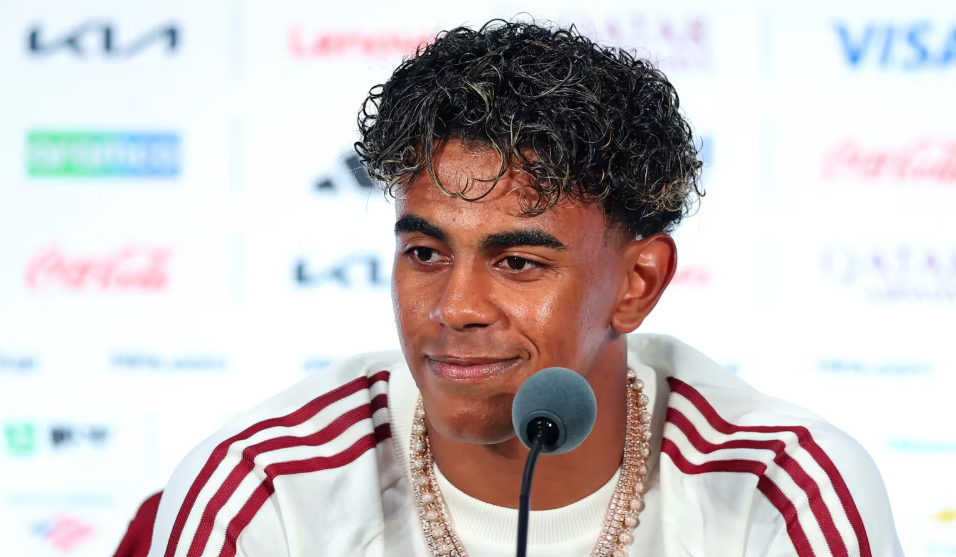
One of the central figures of Spain's campaign has been teenage sensation Lamine Yamal, whose rapid rise has transformed him into one of the tournament's most closely watched players. Speaking before the semi-final in Dallas, Yamal rejected suggestions that external expectations would affect his performance. Instead, he described the encounter with France as the biggest match of his career while expressing gratitude for reaching such an important stage at a young age.
His comments reflected a mature competitive mindset. Rather than focusing on criticism regarding his recent performances, Yamal emphasized his excitement and determination, suggesting that moments of maximum importance should be embraced rather than feared. This psychological approach has become a defining feature of Spain's current generation, which combines youthful creativity with remarkable composure.
De la Fuente reinforced the same philosophy during his press conference, stressing that responsibility should never become a burden that limits performance. Having watched countless World Cups before becoming a participant on football's biggest stage, the coach acknowledged the privilege of leading Spain in such a historic match while insisting that enjoyment remains essential to achieving success.
The manager also referenced the values that characterized Spain's legendary 2010 World Cup-winning team. By recalling the footballing ideals associated with that generation, he highlighted continuity in Spain's football culture, where technical excellence, collective intelligence, and emotional balance remain core principles of the national team's identity.
Beyond the sporting contest itself, Spain's appearance in another World Cup semi-final reinforces the long-term value of its football development model. Continued investment in youth academies, player development, and a recognizable tactical philosophy has allowed emerging talents like Yamal to integrate naturally into the senior national team. This sustainable approach strengthens Spain's global football brand while maintaining competitiveness across multiple generations.
The semi-final against France therefore represents more than a battle for a place in the final. It serves as a showcase for Spain's strategic football identity, demonstrating how consistent investment in talent, coaching, and long-term planning can create both sporting success and enduring international brand value. With confidence replacing anxiety, Spain enters the decisive encounter believing that its football philosophy remains capable of competing with the world's strongest teams.
News You Should See
2026 Nobel Medicine Prize Honors Scientists Behind Optogenetics Breakthrough
Oil Prices Edge Lower as Stronger Middle East Exports and G7 Reserves Ease Supply Concerns
Trump Offers U.S. Assistance to Russia After Death at Siberian Plague Research Institute
Trump Takes Economic Message to Nebraska as GOP Faces Rising Cost-of-Living Pressure
U.S. Appeals Court Weighs Trump Administration’s $2.6 Billion Harvard Funding Fight
U.S. Midterm Elections Begin With Resilient Jobs Market and Persistent Cost Pressures
Latest News
The 2026 Nobel Prize in Physiology or Medicine honors Karl Deisseroth, Peter Hegemann and Georg Nagel for pioneering research behind optogenetics and its impact on neuroscience.
Oil prices edged lower as stronger Middle Eastern exports and a planned G7 release of 100 million barrels eased immediate supply concerns, while Gulf security risks and the Strait of Hormuz kept markets alert.
President Donald Trump said the United States would help Russia if needed after a laboratory worker died at a Siberian plague research institute, as Russian authorities imposed precautionary quarantine measures.
Trump’s Nebraska campaign stop highlights rising fuel and grocery costs, beef prices and growing economic pressure on Republicans ahead of the November midterm elections.
A U.S. appeals court is reviewing the Trump administration’s effort to cut Harvard’s federal research funding, with more than $2.6 billion at stake.
The U.S. enters the 2026 midterm elections with unemployment at 4.2%, while higher living and energy costs create economic pressure for households and businesses.
US services growth eased in September as input prices climbed to their highest level since July 2022, with fuel costs, supply-chain disruptions and strong demand increasing pressure on businesses.
Rising Treasury yields are increasing U.S. borrowing costs as Washington manages record debt, persistent inflation and strong economic demand, narrowing its policy options.
A EGP 16 million corporate partnership will establish and equip a bone marrow transplant unit at Cairo’s Coptic Hospital, supporting access to specialized treatment for patients.