SNL Writer Jim Downey Recalls O.J. Simpson Calling NBC Executive to Complain About Jokes
Late-night “Weekend Update” jokes triggered weekly complaints to NBC leadership, escalating tensions behind the scenes of Saturday Night Live

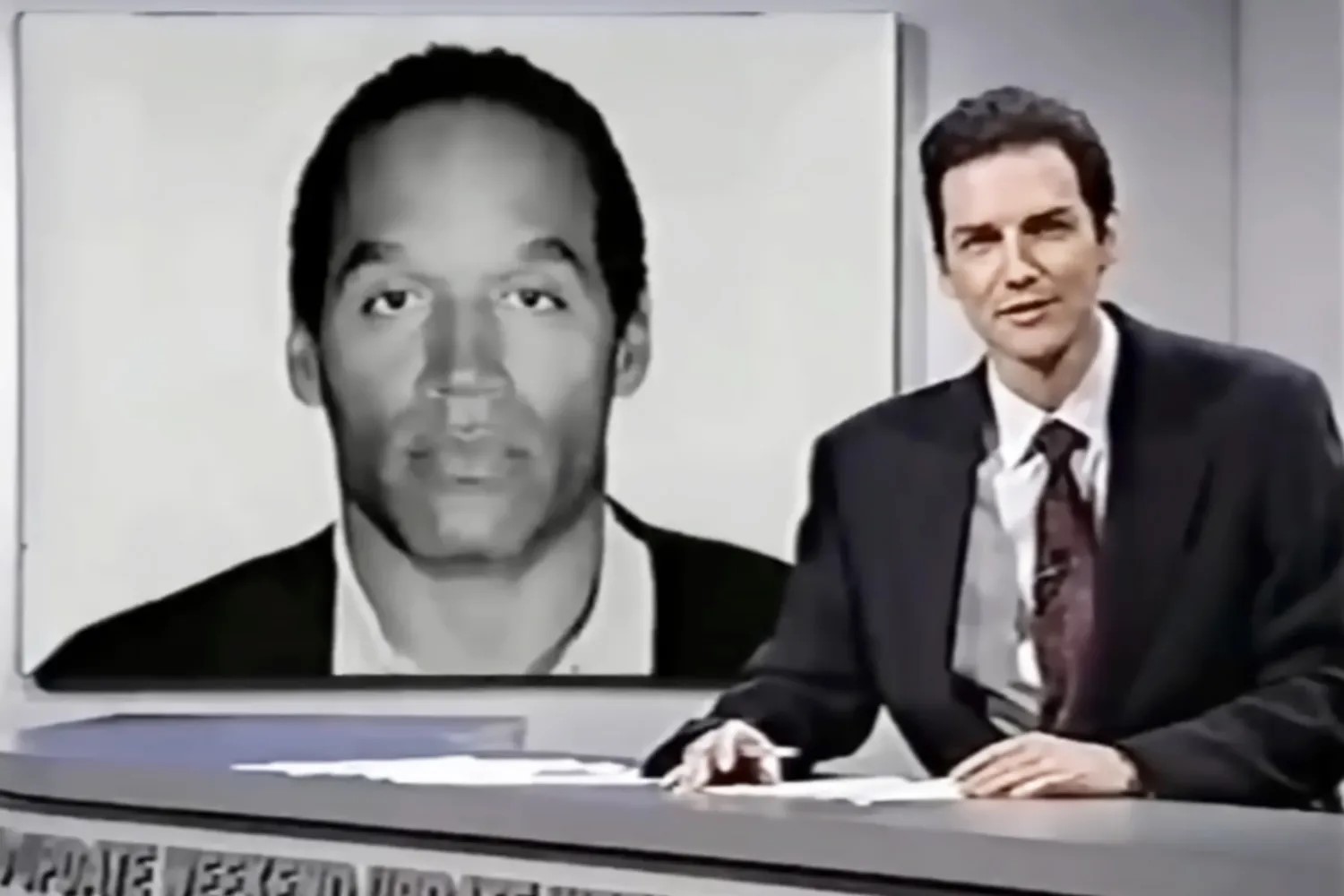
Former Saturday Night Live writer Jim Downey has revealed behind-the-scenes details about how O.J. Simpson frequently reacted to the show’s “Weekend Update” segment during the height of its controversial jokes about him in the 1990s.
According to Downey, Simpson did not contact the writers directly, but instead repeatedly called NBC executive Don Ohlmeyer every Sunday to complain about jokes aired the night before. These complaints were typically relayed upward to SNL creator Lorne Michaels, creating a recurring layer of tension between the show’s creative team and network leadership.
From an analytical perspective, this situation highlights a structural conflict between satire-driven media and corporate governance. “Weekend Update,” especially under Norm Macdonald’s era, pushed a highly aggressive comedic tone that directly challenged the boundaries of broadcast risk tolerance. Simpson’s indirect but persistent lobbying demonstrates how public figures can influence editorial pressure points without engaging directly with content creators.
Economically, this type of pressure creates measurable risk within network entertainment ecosystems. Late-night shows depend on advertiser stability, audience segmentation, and demographic balance. When satire targets high-profile figures with strong institutional connections, it can trigger internal friction that affects staffing decisions, creative autonomy, and long-term brand positioning. In this case, both Downey and Macdonald were eventually removed in 1998, a move widely linked to ongoing controversy surrounding Simpson-focused jokes and network sensitivities.
From a branding standpoint, the incident reinforced SNL’s identity as a boundary-pushing satire platform willing to absorb institutional pushback in exchange for cultural relevance. Over time, these controversies have become part of the show’s legacy value, strengthening its positioning as a politically and socially reactive institution within American entertainment.
Overall, the Downey revelation illustrates how comedy, corporate influence, and celebrity reputation intersect in late-night television, where jokes are not only cultural expressions but also catalysts for organizational decision-making.
News You Should See
P&G Raises Fiscal 2027 Cost Warning as Oil and Freight Expenses Threaten Profits
Chemical Tank Leak in Toledo Triggers Evacuations and Industrial Disruptions
Judge Sets December 11 Deadline for Trump Deposition in BBC Defamation Case
Iowa Senate Race Tests How Far Republicans Can Separate Themselves From Trump
California State Workers Strike Over Pay, Healthcare and Return-to-Office Rules
Streaming’s October Showdown: How Disney, Netflix and Major Entertainment Brands Compete for Audiences
Latest News
Procter & Gamble expects commodity, energy and transportation costs to reduce fiscal 2027 profit by $1.4 billion. Quarterly sales rose 4% to $23.28 billion, beating analyst expectations.
A ruptured chemical tank in Toledo, Ohio, prompted evacuations, school closures and an industrial shutdown. Authorities have reduced the restricted zone as the release slows and cleanup preparations continue.
A federal judge has ordered Donald Trump to give a deposition by December 11, 2026, in his $10 billion lawsuit against the BBC, with possible sanctions for noncompliance as the discovery deadline approaches.
Iowa’s 2026 Senate race pits Republican Ashley Hinson, balancing Trump support with economic concerns, against Democrat Josh Turek, who emphasizes bipartisanship amid rising campaign spending.
Thousands of California state workers struck on October 21 over a proposed three-year pay increase, healthcare costs and a four-day office attendance requirement as contract negotiations continued.
October 2026 brings major entertainment releases across Disney+, Netflix, HBO Max, Hulu, Prime Video and Peacock. Explore how familiar franchises, exclusive programming, new music and video games shape competition for streaming audiences.
Saudia advises travelers to book flights through Al Qassim Airport for Riyadh connections, offering free hourly shuttle buses in both directions until further notice.
An AP-NORC poll shows Democratic confidence in accurate vote counting falling to 55%, while Republican confidence rises to 38%, highlighting election integrity concerns ahead of the 2026 US midterms.
Donald Trump campaigns in North Carolina ahead of the November 2026 midterms as low approval ratings, rising fuel costs, Democratic early-voting gains and funding disparities challenge Republican efforts to retain control of Congress.