Shorter Days and Reduced Sunlight Raise Seasonal Depression Risks as Winter Approaches
Health experts highlight the connection between reduced daylight and seasonal depression, outlining common symptoms, established treatment options and practical steps to support mental well-being during the winter months.

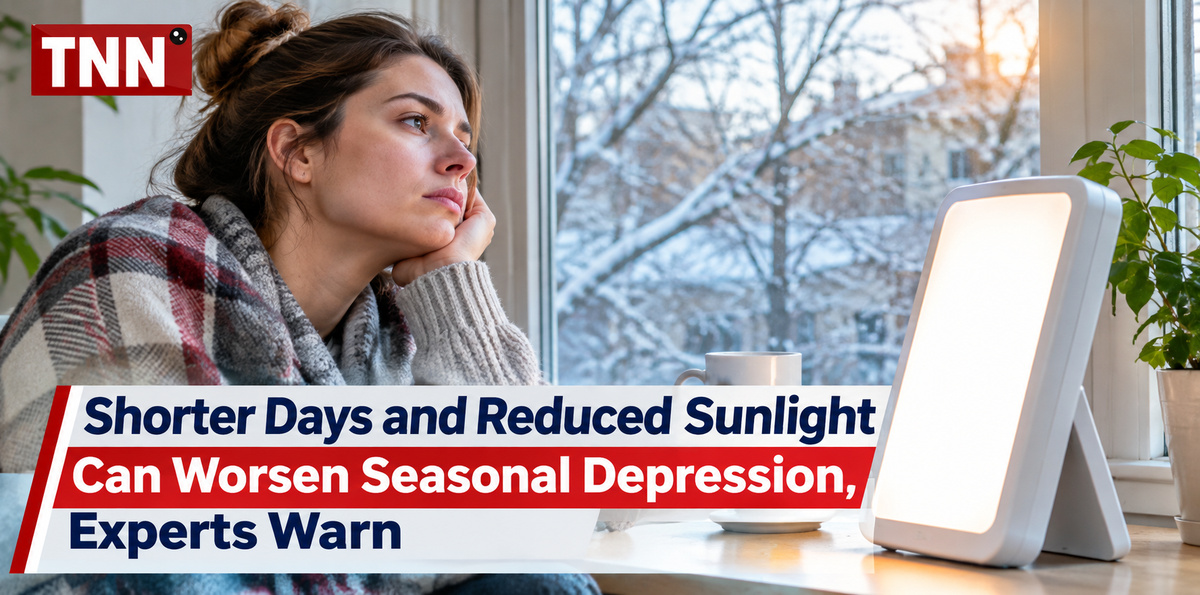
Reduced Daylight Raises Concerns Over Seasonal Depression as Winter Approaches
The transition from autumn to winter brings more than changes in temperature and daily routines. For people vulnerable to seasonal depression, the reduction in natural daylight can also affect emotional well-being, energy levels and sleep patterns, making the coming months a challenging period for mental health.
Health experts are drawing attention to seasonal affective disorder (SAD), a form of depression commonly associated with the fall and winter months. Symptoms often become more noticeable as daylight hours decrease and may improve when longer, brighter days return in spring and summer.
The condition affects millions of people, highlighting the importance of recognizing seasonal changes in mental health and understanding the treatment options available.
How Seasonal Changes Affect Mental Health
Seasonal affective disorder is characterized by recurring depressive symptoms linked to particular times of the year, most commonly during the colder months.
People experiencing the condition may develop persistent sadness, lose interest or motivation in everyday activities, struggle to concentrate or experience increasingly pessimistic thoughts. Changes in sleeping patterns are also among the reported symptoms.
The timing of these changes can make the condition difficult to distinguish from temporary seasonal fatigue or ordinary fluctuations in mood. However, persistent symptoms that interfere with daily activities deserve professional attention.
Researchers have not established a single cause for seasonal depression. Current studies suggest that individual differences in the brain's response to natural light may contribute to the condition.
As daylight becomes less available, people who are particularly sensitive to seasonal changes may notice a greater impact on their mood and daily functioning.
Why Shorter Days Can Make Symptoms More Noticeable
The reduction in daylight exposure is considered an important factor in understanding seasonal depression.
The transition to shorter days, combined with the recent return to standard time, changes the amount and timing of natural light available during daily routines. For people already experiencing seasonal symptoms, these changes may make existing difficulties more noticeable.
This relationship also highlights the importance of daylight exposure as part of the broader discussion around sleep, daily activity and psychological well-being.
While reduced sunlight is associated with seasonal symptoms, it does not affect everyone in the same way. Individual responses vary, and the precise biological mechanisms behind the condition remain an area of ongoing research.
Light Therapy Offers an Established Treatment Option
Light therapy is among the recognized approaches used to manage seasonal affective disorder.
The treatment typically involves sitting near a specially designed light therapy box that produces bright light. Specialists commonly recommend devices with an intensity of 10,000 lux, used for approximately 30 minutes each morning.
The purpose is to provide exposure to bright artificial light during a period when natural daylight may be limited.
However, treatment requirements can differ depending on individual circumstances and device specifications. Light therapy is not automatically suitable for everyone, and people considering it should seek professional guidance before starting.
The growing awareness of this treatment has also increased attention to the importance of distinguishing specialized light therapy equipment from ordinary household lighting.
Medication and Cognitive Behavioral Therapy
Light therapy is not the only available approach. Antidepressant medication and cognitive behavioral therapy (CBT) are also recognized treatment options for seasonal depression.
Medication may be considered by healthcare professionals depending on the severity of symptoms and the individual's medical circumstances.
Cognitive behavioral therapy takes a different approach by helping patients identify negative patterns of thinking and develop healthier ways of responding to difficult emotions and situations.
Some evidence suggests that CBT may offer longer-lasting benefits for certain patients because it focuses on developing skills that can remain useful beyond the immediate treatment period.
The choice between treatment approaches depends on individual needs. In some circumstances, healthcare professionals may consider combining different forms of treatment.
Daily Habits That May Support Emotional Well-Being
Alongside established treatments, experts emphasize the value of maintaining consistent routines during the darker months.
Spending time outdoors during daylight hours can help increase exposure to natural light. Maintaining regular sleeping and waking times may also support daily stability, while preserving social activities can reduce the isolation that sometimes accompanies seasonal mood changes.
These habits should be viewed as supportive measures rather than substitutes for professional treatment when symptoms are persistent or severe.
Recognizing changes early is particularly important. People who notice recurring seasonal difficulties may benefit from discussing their symptoms with a qualified healthcare professional before they begin to interfere significantly with work, relationships or everyday responsibilities.
Recognizing Seasonal Depression as a Public Health Concern
The seasonal pattern of depression demonstrates how environmental changes can intersect with mental health. Although winter brings shorter days for everyone, the psychological effects are not distributed equally, and some individuals experience more substantial difficulties than others.
The availability of established treatment options provides several possible routes for managing the condition, from light therapy and medication to structured psychological support.
As winter approaches, greater awareness of seasonal affective disorder can help people recognize persistent symptoms, seek appropriate assessment and make informed decisions about treatment.
Ultimately, addressing seasonal depression requires more than simply adjusting to colder weather. Understanding the relationship between daylight exposure and mental well-being, maintaining supportive routines and accessing qualified healthcare when needed are important elements of managing the condition throughout the year.
News You Should See
Before Thanksgiving: Tips to Cut Travel Costs and Avoid Traffic and Airport Congestion in the US
Dollar Holds Steady as US Inflation Data and Federal Reserve Decision Approach
US Appeals Court Ends Justice Department Lawsuit Targeting 20,000 California Ballots
Democrats Win Historic House Majority, Reshaping Washington's Political Landscape
Thanksgiving Storm Threatens Major US East Coast Travel Routes With Flooding and 60 MPH Winds
Manchester City Prepare for Tactical Battle Against Napoli in Champions League
Latest News
About 81.5 million Americans are expected to travel for Thanksgiving, facing higher airfare, heavy road traffic and crowded airports. Discover key travel preparations and cost-saving tips.
The dollar index holds near 103.85 as investors await US inflation and GDP figures, with December rate expectations and global monetary policy shaping currency markets.
The 9th Circuit Court of Appeals approved the Justice Department's request to dismiss its lawsuit targeting approximately 20,000 California ballots, ending a dispute over federal election oversight and state authority.
Democrats secure at least 259 House seats and a 56-seat Senate majority, setting the stage for major changes in US healthcare, spending and congressional oversight.
A developing Thanksgiving storm threatens the US East Coast with heavy rain, coastal flooding and wind gusts of up to 60 mph, raising concerns about airport operations, road travel and holiday transportation in major cities.
Manchester City host Napoli in a key Champions League clash, with Haaland, Foden and Cherki expected to lead the English side's attacking efforts.
Arsenal prepare to host Borussia Dortmund in a crucial Champions League clash, with injuries and tactical decisions potentially shaping the outcome.
The Hunger Games: Sunrise on the Reaping earns $225 million worldwide in its opening weekend, strengthening the franchise's box-office position.
Harvard research estimates that 403 US hyperscale data centers consume up to 99 terawatt-hours annually, raising concerns about AI's environmental impact.