Shein’s Hong Kong IPO Puts Its Discount-Fashion Model to the Investor Test
A planned $26.8bn valuation marks a sharp retreat from Shein’s 2022 peak, as tariffs, higher costs, regulatory pressure and slowing growth challenge the economics behind its global fashion platform.

Shein is approaching its long-awaited public-market debut with a valuation that illustrates how dramatically investor expectations have changed around the fast-fashion company. The Singapore-headquartered, China-founded retailer is preparing to begin trading in Hong Kong on September 1, with its proposed offering placing the company at a valuation of about $26.8 billion at the upper end of its price range.
The company plans to offer almost 280 million shares at between HK$47.60 and HK$49.50 per share. At the highest price, the transaction could raise approximately $1.77 billion for Shein and establish a market value close to $26.8 billion. Goldman Sachs, Morgan Stanley and JPMorgan are backing the offering.
The headline figure is significant because it is far removed from the nearly $100 billion valuation Shein achieved during private fundraising in 2022. The decline is not simply a change in market sentiment. It reflects a broader reassessment of the economic assumptions that powered the company's extraordinary expansion, including exceptionally fast sales growth, low consumer prices and an operating structure designed to move products from Chinese manufacturers to international shoppers at high speed.
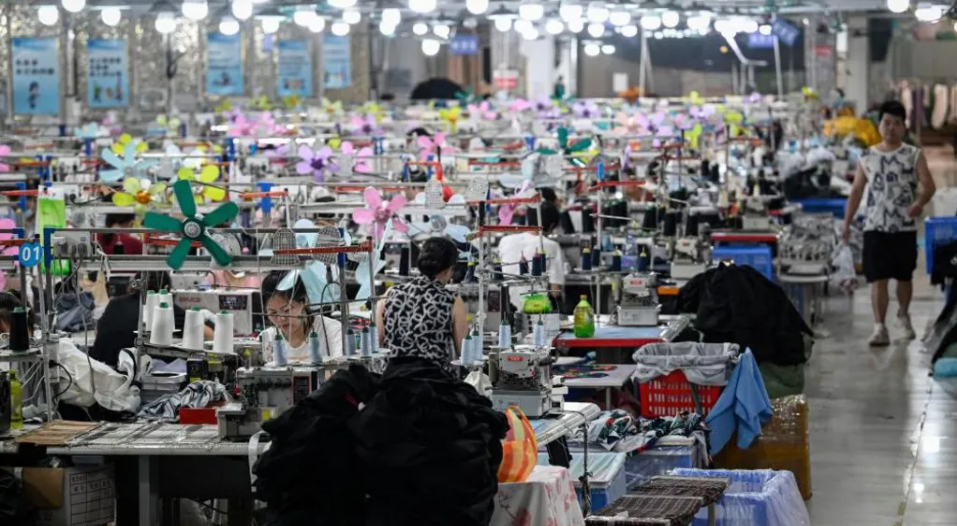
Shein's rise was built around a digitally driven retail architecture rather than the conventional model of large physical stores. The company can monitor consumer preferences through its online platform, identify emerging trends and coordinate production through a large network of manufacturers in China. Small production runs can then be adjusted rapidly according to demand, allowing the company to introduce new designs at a pace that traditional fashion retailers have struggled to match.
That model helped Shein establish a global customer base. The company had 281 million active customers at the end of March 2026, an increase of more than 16% from the previous year, and those customers placed more than one billion orders. Shein serves shoppers in more than 150 countries and has become one of the most influential players in global fast fashion.
However, the same model is now being tested by a less favourable economic environment. In July, Shein reported a quarterly loss of $99 million for the first three months of 2026, compared with net income of $395 million during the corresponding period a year earlier. The result came as sales growth weakened and the company's cost structure faced additional pressure.
One of the most important changes has been the removal in the United States of the de minimis import exemption for small packages. The mechanism had allowed retailers such as Shein and its major online competitor Temu to ship low-value parcels into the US without the same level of import duties that apply to larger commercial shipments.
The change affects more than the company's customs bill. It challenges an important part of the price architecture behind Shein's brand. The company's proposition has traditionally been based on offering consumers extremely inexpensive clothing while maintaining an enormous variety of products and rapidly responding to trends. When import costs increase, maintaining those prices becomes more difficult.
Shein has indicated that it is considering price increases in the US to offset part of the additional duties and taxes. But higher consumer prices create a strategic problem because affordability is not simply a feature of the product; it is central to the company's identity and competitive positioning.
This is where the company's brand strategy becomes inseparable from its economics. Shein's appeal has been built around immediacy, variety and low prices. The platform allows consumers to encounter a continuous stream of new products and purchase them at prices that can be substantially below those of established fashion chains.
If tariffs and logistics costs narrow that price difference, the company may lose part of the psychological advantage that has helped distinguish it from competitors. Research analysts cited by the BBC have suggested that the end of the US exemption could narrow the price gap between Shein and retailers such as Primark and H&M.
The challenge is intensified by competition. Shein is no longer operating in an environment where its digital-first supply model is unique. Temu and other low-cost Chinese e-commerce platforms have adopted similarly aggressive approaches to international expansion, while established retailers continue to strengthen their online operations.
At the same time, Shein's speed-driven model has generated scrutiny that conventional fashion companies have faced in different forms. Environmental concerns surrounding ultra-fast fashion have become increasingly prominent, while allegations concerning labour practices in supply chains have created reputational and regulatory pressure.
Shein has previously stated that it has zero tolerance for forced labour. Nevertheless, scrutiny of its supply chain became one of the factors complicating its attempt to list in London. The company's refusal to answer some questions regarding supply-chain practices contributed to the collapse of that listing effort.
The failed US and UK listing attempts also demonstrate why Hong Kong has become strategically important to Shein. The company has been pursuing a public listing since 2023, but regulatory and political obstacles complicated its plans in Western markets. Hong Kong offers a different capital-market environment and has regained importance as Chinese companies increasingly use the exchange to raise capital.
The location is also significant from a geopolitical perspective. Chinese companies may be more cautious about pursuing US listings because tensions between Washington and Beijing could create additional regulatory risks, including the possibility of companies being removed from US exchanges. Hong Kong therefore offers Shein a route to public markets that is more closely aligned with China's financial ecosystem while still providing access to international investors.
For investors, however, the Hong Kong listing will represent more than an opportunity to buy into a famous fashion brand. It will be a test of whether the market still believes Shein's digital retail architecture can generate strong returns after the external conditions that accelerated its growth have changed.
The proposed valuation indicates that the market is already applying a substantial discount to the company's previous private-market peak. Slower growth, higher costs and weaker profitability have changed the investment narrative from one centred primarily on expansion to one focused increasingly on efficiency, resilience and sustainable earnings.
There is also an accounting factor in Shein's recent financial performance. Its first-quarter results included a paper loss of approximately $328 million associated with an accounting change involving special investor shares. These shares can subsequently be converted into ordinary stock, and their value may fluctuate before the public listing.
The accounting adjustment does not represent the same type of operating loss as the company's $99 million quarterly loss, but it adds complexity to the financial picture investors must assess as they evaluate the IPO.
The company's exposure to geopolitical and logistical disruption is another issue. Shein has said that the war in Iran affected demand in some markets, increased costs and caused delivery delays. Together with changing US-China tariff policies, these factors demonstrate how dependent an international e-commerce model can be on stable cross-border logistics.
This makes Shein's IPO a useful case study in the changing economics of global digital retail. Its business was designed around removing friction between consumer demand and manufacturing supply. The more expensive and complicated international trade becomes, the harder it is to preserve that advantage without either reducing margins or increasing prices.
The Hong Kong offering therefore places Shein at a strategic crossroads. The company still possesses enormous scale, a large active customer base, a highly responsive supply network and a globally recognizable digital shopping platform. Yet it must demonstrate that these advantages can remain economically powerful when tariffs, regulation, logistics and competition are all becoming more demanding.
The brand challenge is equally important. Shein's identity was built around accessibility and constant novelty rather than exclusivity. Unlike luxury fashion houses, its value proposition depends on making fashion trends available quickly and cheaply to a mass audience. Any substantial increase in prices risks weakening the connection between the brand promise and the actual customer experience.
That makes the IPO valuation particularly revealing. The difference between $100 billion in 2022 and roughly $26.8 billion in the proposed Hong Kong offering represents not merely a reduction in a financial number, but a reassessment of how investors value the company's model.
Shein must now convince public-market investors that its technology-enabled supply chain, global customer reach and data-driven merchandising can evolve faster than the pressures threatening its margins.
The September debut will consequently be watched as both a corporate financing event and a broader referendum on the future of ultra-fast fashion. The outcome could indicate whether investors still see Shein primarily as a disruptive technology-enabled retailer or as a mature fashion business whose extraordinary growth phase is beginning to encounter structural limits.

News You Should See
2026 Nobel Medicine Prize Honors Scientists Behind Optogenetics Breakthrough
Oil Prices Edge Lower as Stronger Middle East Exports and G7 Reserves Ease Supply Concerns
Trump Offers U.S. Assistance to Russia After Death at Siberian Plague Research Institute
Trump Takes Economic Message to Nebraska as GOP Faces Rising Cost-of-Living Pressure
U.S. Appeals Court Weighs Trump Administration’s $2.6 Billion Harvard Funding Fight
U.S. Midterm Elections Begin With Resilient Jobs Market and Persistent Cost Pressures
Latest News
The 2026 Nobel Prize in Physiology or Medicine honors Karl Deisseroth, Peter Hegemann and Georg Nagel for pioneering research behind optogenetics and its impact on neuroscience.
Oil prices edged lower as stronger Middle Eastern exports and a planned G7 release of 100 million barrels eased immediate supply concerns, while Gulf security risks and the Strait of Hormuz kept markets alert.
President Donald Trump said the United States would help Russia if needed after a laboratory worker died at a Siberian plague research institute, as Russian authorities imposed precautionary quarantine measures.
Trump’s Nebraska campaign stop highlights rising fuel and grocery costs, beef prices and growing economic pressure on Republicans ahead of the November midterm elections.
A U.S. appeals court is reviewing the Trump administration’s effort to cut Harvard’s federal research funding, with more than $2.6 billion at stake.
The U.S. enters the 2026 midterm elections with unemployment at 4.2%, while higher living and energy costs create economic pressure for households and businesses.
US services growth eased in September as input prices climbed to their highest level since July 2022, with fuel costs, supply-chain disruptions and strong demand increasing pressure on businesses.
Rising Treasury yields are increasing U.S. borrowing costs as Washington manages record debt, persistent inflation and strong economic demand, narrowing its policy options.
A EGP 16 million corporate partnership will establish and equip a bone marrow transplant unit at Cairo’s Coptic Hospital, supporting access to specialized treatment for patients.