Scott Pelley Exit Ignites Industry Debate Over Newsroom Independence and Corporate Control
Prominent television personalities and journalists rally behind the veteran broadcaster as concerns grow over the balance between editorial freedom and executive oversight

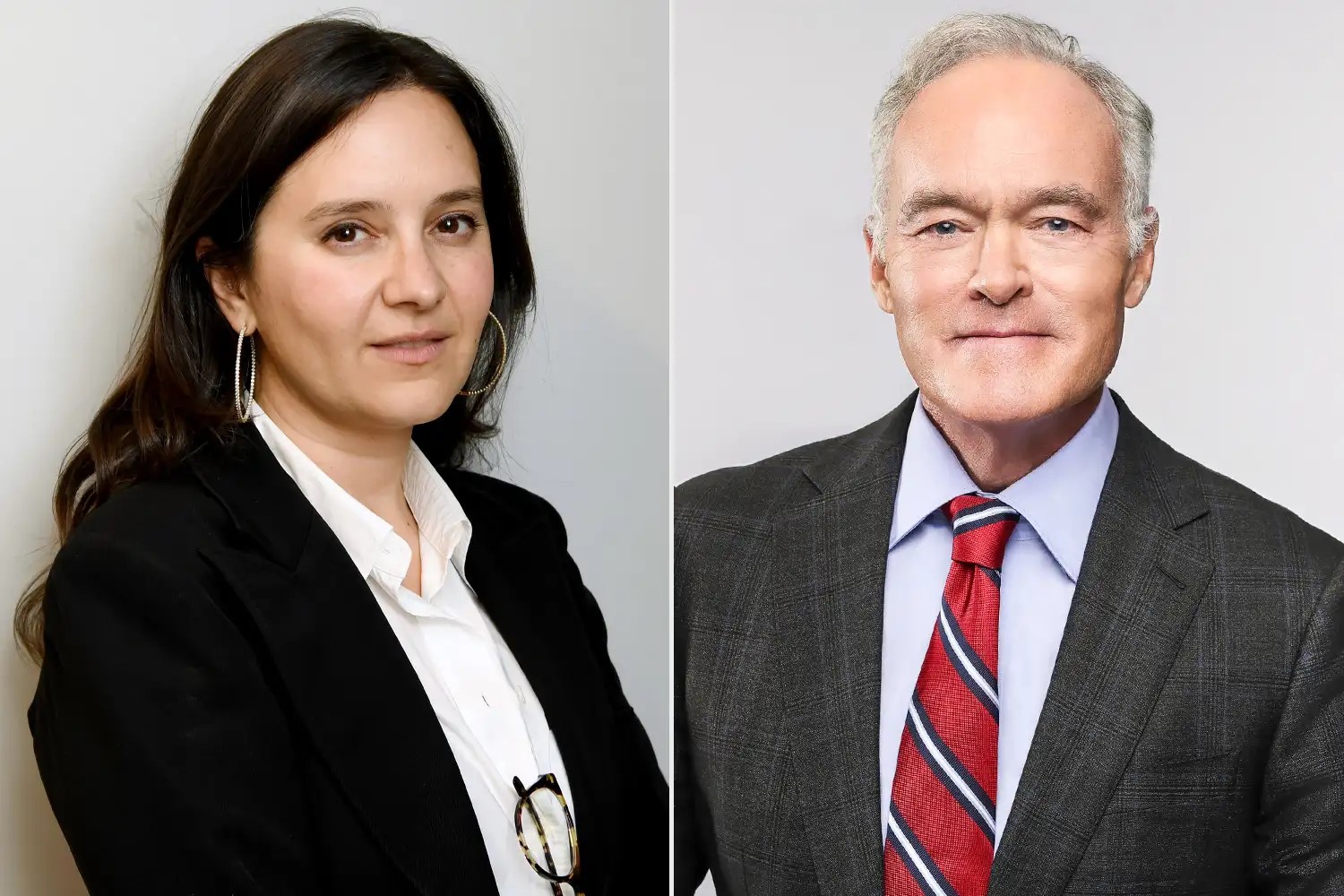
The controversy surrounding veteran journalist Scott Pelley has evolved into one of the most discussed media-industry stories in recent weeks, drawing reactions from television personalities, journalists, and commentators who view the situation as a reflection of broader tensions shaping the future of American news organizations.
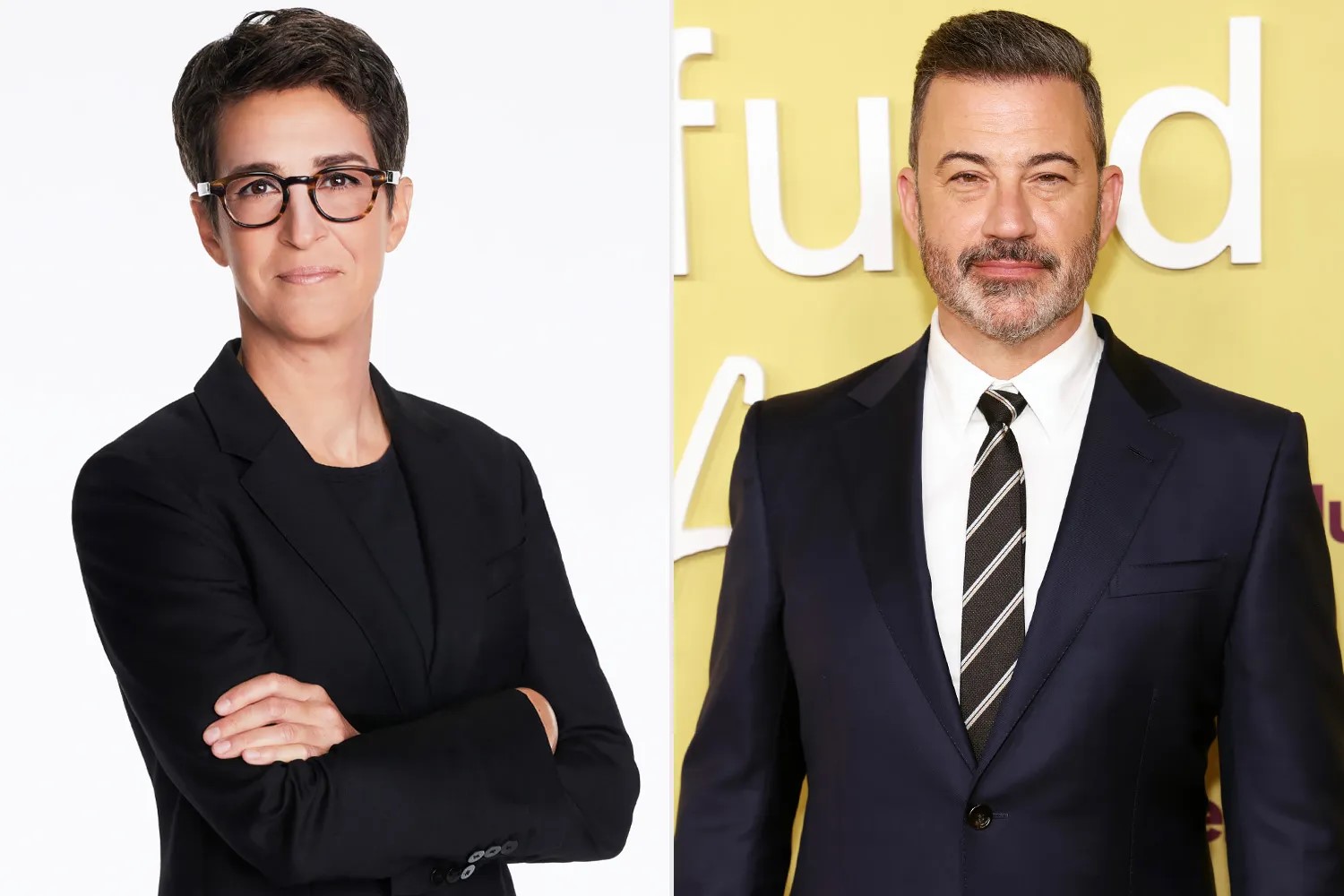
Public criticism intensified after several prominent figures, including late-night host Jimmy Kimmel and political commentator Rachel Maddow, expressed support for Pelley and raised concerns about the circumstances surrounding his departure. Their comments quickly transformed what might have remained an internal corporate matter into a national conversation about editorial independence, newsroom culture, and executive influence within major media companies.
At the center of the debate is the perception that longstanding journalistic institutions are facing increasing pressure from changing business priorities. Supporters of Pelley argue that experienced journalists often serve as guardians of editorial standards, and that conflicts between newsrooms and corporate leadership can have consequences extending beyond personnel decisions. For many observers, the issue is not solely about one journalist’s future but about the principles that govern how news organizations operate.
The discussion has gained additional attention because of Pelley's reputation within the industry. Over decades of reporting and broadcasting, he became associated with investigative journalism, long-form reporting, and traditional newsroom values. As a result, reactions to his departure have been amplified by concerns that established editorial practices may be losing influence during a period of significant transformation across the media landscape.
From a strategic perspective, the incident highlights a growing challenge facing legacy media brands. News organizations are simultaneously attempting to modernize operations, compete for digital audiences, manage financial pressures, and maintain public trust. Balancing these objectives can create friction between executives seeking organizational change and journalists focused on preserving editorial traditions.
Economically, the story reflects broader shifts affecting the media sector. Advertising markets continue to evolve, audience consumption habits increasingly favor digital platforms, and traditional broadcasters are under pressure to identify sustainable business models. In such an environment, leadership decisions often become closely scrutinized because they can influence both organizational performance and public perception.
The controversy also demonstrates the importance of brand identity within journalism. Programs such as 60 Minutes have spent decades building reputations based on credibility, investigative rigor, and editorial independence. When disputes involving respected journalists become public, audiences frequently interpret them through the lens of institutional trust rather than employment matters alone. This makes reputation management a critical component of any response.
Another notable dimension is the role of modern media personalities in shaping industry narratives. Figures such as Kimmel and Maddow possess large audiences that extend beyond traditional news consumers, enabling them to influence public understanding of developments occurring inside media organizations. Their involvement helped elevate the discussion from a professional dispute into a broader cultural and industry-wide conversation.
Ultimately, the reaction to Scott Pelley’s departure illustrates how leadership decisions inside major news organizations can resonate far beyond corporate offices. The episode has become a case study in the ongoing negotiation between business strategy, journalistic independence, audience trust, and the evolving identity of modern media institutions.
News You Should See
Helicopters Over Marseille as Police Pursue Suspects After Jewelry Store Is Targeted
France Protests: TN News Correspondent Documents Police Lines and Crowds in the Streets
Police Presence and Road Barricades Documented in French Protest Footage
France on Edge: Violence, Racism and Political Polarization Raise Fears of a Deeper Divide
DOJ Orders California Counties to Verify Suspected Noncitizen Ballots Ahead of Midterms
Never Stop Making Du’a: Allah’s Door Is Never Closed
Latest News
Police pursued individuals reportedly connected to a jewelry store incident in Marseille’s Cinq-Avenues neighborhood as helicopters flew overhead. Authorities have not confirmed arrests, injuries, theft or property damage.
TN News correspondent Khaled Shokair documents street protests in France, showing police lines, demonstrators, road obstructions and visible haze as key details remain unconfirmed.
Footage from France shows crowds, police officers, road barricades, debris and smoke. The gathering's location, date, cause, and any injuries or arrests remain unconfirmed.
A deadly shooting near Paris, protest-related violence and concerns about France’s 2027 presidential election are intensifying debates over racism, public safety, political polarization and social cohesion.
The U.S. Justice Department has ordered at least 18 California counties to review voter records and set aside ballots linked to suspected noncitizens within 48 hours, escalating a dispute with state officials ahead of the November 3 midterm elections.
Mohamed Amen’s Friday khutbah explores persistent du’a, patience during uncertainty, emotional resilience, and the importance of trusting Allah while pursuing practical solutions.
Procter & Gamble expects commodity, energy and transportation costs to reduce fiscal 2027 profit by $1.4 billion. Quarterly sales rose 4% to $23.28 billion, beating analyst expectations.
A ruptured chemical tank in Toledo, Ohio, prompted evacuations, school closures and an industrial shutdown. Authorities have reduced the restricted zone as the release slows and cleanup preparations continue.
A federal judge has ordered Donald Trump to give a deposition by December 11, 2026, in his $10 billion lawsuit against the BBC, with possible sanctions for noncompliance as the discovery deadline approaches.