Saudi Arabia Reassesses Entertainment Spending as 2027 Joy Awards Face Cancellation
Saudi Arabia is reassessing major entertainment commitments as financial pressures and regional conflict reshape spending priorities, putting the 2027 Joy Awards at risk.

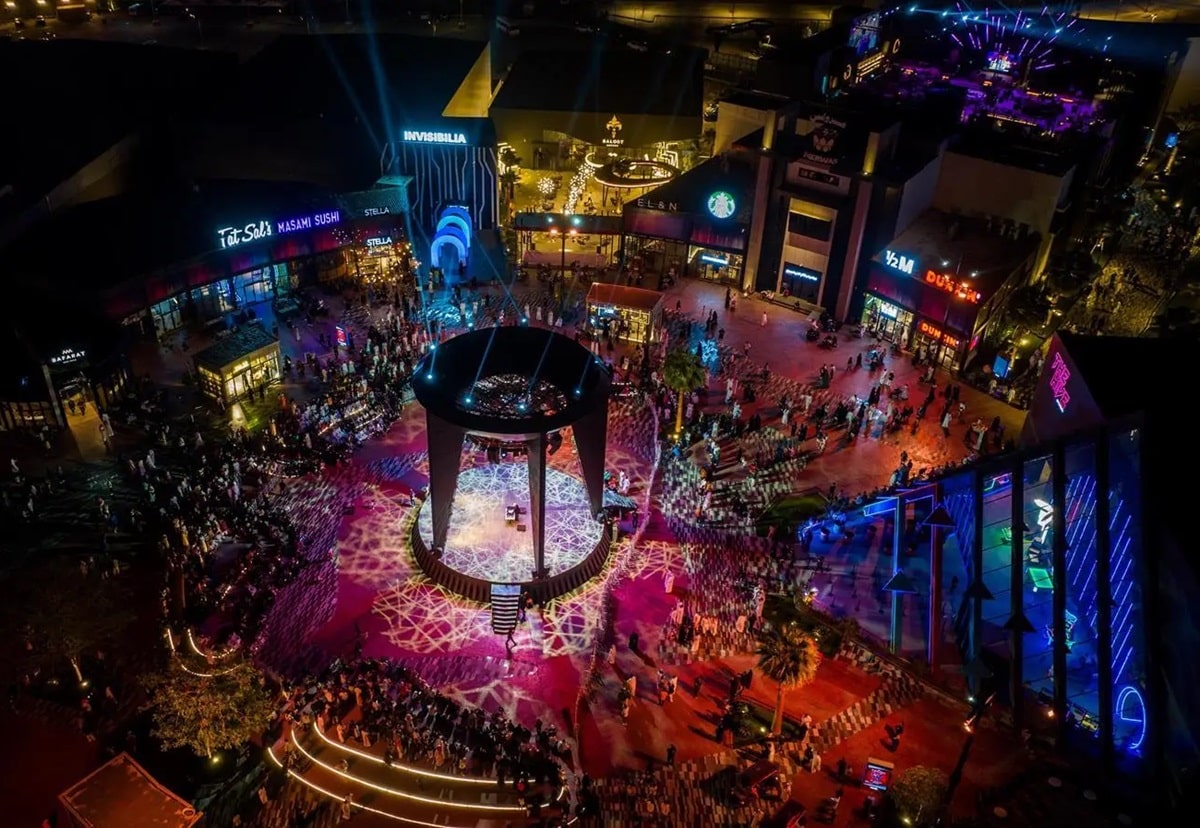
Saudi Arabia’s reported plan to cancel the 2027 Joy Awards signals a broader shift in how the kingdom is prioritizing spending on entertainment and major cultural events. The decision, if confirmed, would not represent an isolated change to one awards ceremony, but another indication that large-scale commitments are being reassessed against a more demanding financial and geopolitical environment.
The Joy Awards have developed into one of Riyadh’s most visible annual entertainment events. Held each January, the ceremony brings together international performers and celebrates achievements across music and other areas of entertainment and sport. Its growing profile has also made it part of Saudi Arabia’s wider effort to position Riyadh as an international destination for high-profile events.
That strategy is now facing a period of adjustment. Saudi Arabia has begun postponing or canceling several major entertainment commitments, including the Red Sea Film Festival, which was postponed until 2027, and the Soundstorm music festival scheduled for December, which was canceled with organizers saying it would return the following year.
The timing is significant because spending pressures reportedly emerged even before the regional conflict involving Iran intensified. The conflict has added another layer of uncertainty, increasing the importance of financial discipline and forcing policymakers and businesses to reconsider the timing and scale of discretionary projects.
For the entertainment sector, the implications extend beyond individual festivals. Large events require substantial commitments to performers, venues, production, security, logistics and international marketing. Delaying them can reduce near-term expenditure, while allowing organizers to preserve the possibility of returning when market conditions become more favorable.
The changes also highlight the evolving relationship between entertainment and Saudi Arabia’s Vision 2030 program. The strategy has relied heavily on tourism, entertainment and international events to diversify the economy and strengthen the kingdom’s global profile. Consequently, reductions in entertainment spending may appear to conflict with the long-term direction of the program, but they can also reflect a more selective approach to implementation rather than a reversal of its broader objectives.
The same reassessment has reportedly reached major development projects. Elements of NEOM have faced delays or scaling back, while plans for a stadium connected to the 2034 FIFA World Cup have also been affected. Taken together, these developments suggest that the current priority is increasingly focused on sequencing projects and controlling costs rather than maintaining every previously announced commitment on its original timetable.
At the same time, Saudi Arabia is not abandoning events that are considered strategically important to investment and its international economic positioning. The Future Investment Initiative remains scheduled, according to its organizers. That distinction is important: the emerging pattern appears less like a blanket retreat from international events and more like an attempt to separate projects with immediate strategic value from those that can be postponed without undermining longer-term objectives.
The reported status of the Joy Awards therefore carries a wider commercial message. Saudi Arabia’s entertainment market is becoming more closely connected to broader questions of capital allocation, economic resilience and geopolitical risk. International entertainment companies, event organizers and investors may increasingly have to evaluate not only the size of the Saudi market, but also the government's changing priorities and the sustainability of large-scale event spending.
If the 2027 ceremony is ultimately canceled, the impact on the Joy Awards brand could depend heavily on how the pause is managed and whether the event returns as planned in a later year. A temporary suspension can preserve brand equity if communicated as part of a broader scheduling strategy, while repeated cancellations could make international partners more cautious.
For Saudi Arabia, the larger challenge is balancing the visibility generated by global entertainment with the financial discipline required during a period of pressure. Vision 2030 continues to depend on attracting visitors, investment and international attention, but the latest developments suggest that the path toward those goals may increasingly involve fewer headline projects, tighter spending and a stronger emphasis on measurable economic value.
News You Should See
2026 Nobel Medicine Prize Honors Scientists Behind Optogenetics Breakthrough
Oil Prices Edge Lower as Stronger Middle East Exports and G7 Reserves Ease Supply Concerns
Trump Offers U.S. Assistance to Russia After Death at Siberian Plague Research Institute
Trump Takes Economic Message to Nebraska as GOP Faces Rising Cost-of-Living Pressure
U.S. Appeals Court Weighs Trump Administration’s $2.6 Billion Harvard Funding Fight
U.S. Midterm Elections Begin With Resilient Jobs Market and Persistent Cost Pressures
Latest News
The 2026 Nobel Prize in Physiology or Medicine honors Karl Deisseroth, Peter Hegemann and Georg Nagel for pioneering research behind optogenetics and its impact on neuroscience.
Oil prices edged lower as stronger Middle Eastern exports and a planned G7 release of 100 million barrels eased immediate supply concerns, while Gulf security risks and the Strait of Hormuz kept markets alert.
President Donald Trump said the United States would help Russia if needed after a laboratory worker died at a Siberian plague research institute, as Russian authorities imposed precautionary quarantine measures.
Trump’s Nebraska campaign stop highlights rising fuel and grocery costs, beef prices and growing economic pressure on Republicans ahead of the November midterm elections.
A U.S. appeals court is reviewing the Trump administration’s effort to cut Harvard’s federal research funding, with more than $2.6 billion at stake.
The U.S. enters the 2026 midterm elections with unemployment at 4.2%, while higher living and energy costs create economic pressure for households and businesses.
US services growth eased in September as input prices climbed to their highest level since July 2022, with fuel costs, supply-chain disruptions and strong demand increasing pressure on businesses.
Rising Treasury yields are increasing U.S. borrowing costs as Washington manages record debt, persistent inflation and strong economic demand, narrowing its policy options.
A EGP 16 million corporate partnership will establish and equip a bone marrow transplant unit at Cairo’s Coptic Hospital, supporting access to specialized treatment for patients.