Russia Seizes $50 Billion in Assets Over Three Years Amid Shift to ‘Fortress Economy’
Amid escalating tensions, Russia increasingly targets domestic and foreign assets, reshaping its economy away from openness

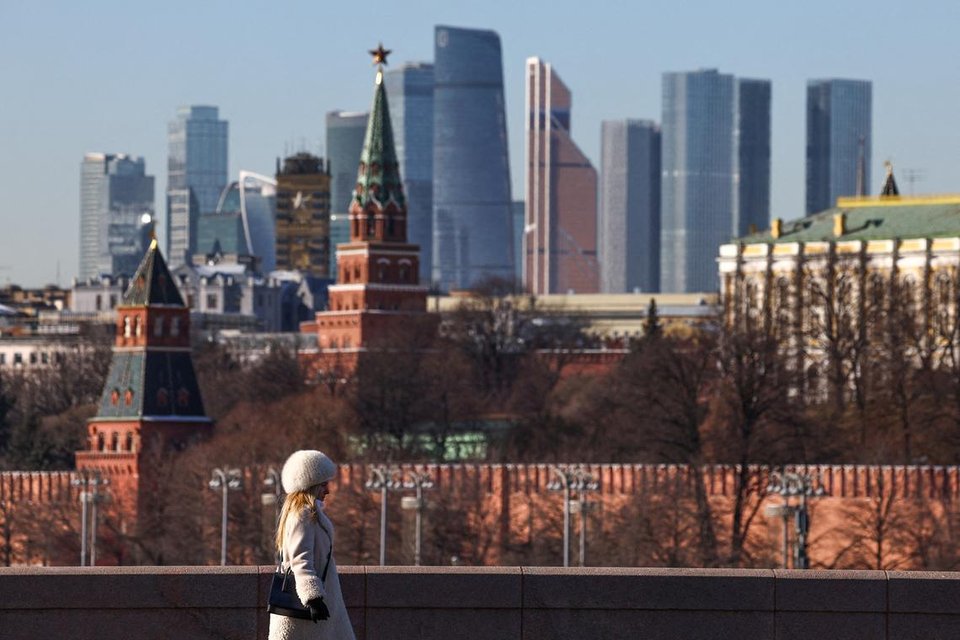
MOSCOW – Over the last three years, Russia has confiscated assets valued at approximately 3.9 trillion roubles (about $50 billion at current exchange rates), highlighting the country’s deepening transformation into a “fortress Russia” economic model, according to the Kommersant newspaper.
Since the start of Russia’s military intervention in Ukraine in February 2022, foreign companies have faced mounting risks of state asset seizures. More recently, Moscow has increasingly focused on domestic assets, citing strategic stability and national security concerns.
A leading law firm advising businesses warns owners to eliminate vulnerabilities that could be used to justify asset seizures. These weak points include holding second passports or maintaining economic links with countries Russia deems “unfriendly” — broadly encompassing the entire Western bloc. The firm also recommends forming partnerships with state-owned enterprises to mitigate risks.
Breakdown of asset seizures over the period includes:
1.54 trillion roubles seized under laws governing strategic companies
1.07 trillion roubles confiscated over corruption allegations
385 billion roubles related to alleged privatisation violations
621.5 billion roubles attributed to claims of ineffective management
The collapse of the Soviet Union in 1991 initially sparked hopes that Russia would evolve into an open, free-market economy integrated with the global market. However, widespread corruption, economic instability, and crime undermined trust in democratic capitalism throughout the 1990s.
The asset seizure figures, calculated by NSP Law Firm and reported by Kommersant — one of Russia’s most respected newspapers — underscore Moscow’s retreat from openness toward a closed, fortress-like economic model.
During President Vladimir Putin’s first eight years in office, economic freedoms expanded, some oligarchs faced restrictions, and the economy grew from $200 billion in 1999 to $1.8 trillion in 2008.
Between 2008 and 2022, despite Western sanctions following the annexation of Crimea in 2014, Russia’s economy grew to $2.3 trillion. Yet, according to International Monetary Fund figures, the nominal size of the economy in 2024 is forecasted to shrink slightly to $2.2 trillion amid ongoing geopolitical pressures and conflict.
News You Should See
Vancouver Launches 12th Annual Korey’s Joy Drive to Support Local Families
Agassi Sports Entertainment Joins Sinclair and Tennis Channel to Expand Padel and Pickleball
Vizrt Completes Chyron Acquisition to Expand Global Broadcast Technology Capabilities
Anyma and Jean-Michel Jarre Announce Major Pyramids of Giza Concerts for 2027
Arsenal Women Strike First Against Barcelona in Champions League Showdown
New Egypt Group Backs Latin Social Organization’s Thanksgiving Food Drive in Bayonne
Latest News
Vancouver, Washington launches its 12th Korey’s Joy Drive, collecting toys, holiday gifts and winter supplies for families through local nonprofits.
Agassi Sports Entertainment partners with Sinclair and Tennis Channel to promote padel and pickleball through nationwide television and digital platforms.
Vizrt completes its acquisition of Chyron, combining broadcast graphics technologies to expand cloud production and real-time augmented reality solutions.
Anyma and Jean-Michel Jarre announce two electronic music performances at Egypt's Great Pyramids in spring 2027, with presale tickets starting November 18.
Arsenal Women take a 1-0 lead over Barcelona after Frida Maanum's 21st-minute goal in their 2026-27 UEFA Women's Champions League encounter.
New Egypt Group supports Latin Social Organization’s Thanksgiving Food Drive in Bayonne by contributing food supplies to help local families prepare for the holiday.
Shorter winter days can affect appetite, sleep and energy. A dietitian explains the biological reasons behind seasonal cravings and the importance of meal planning.
Medical leaders debate whether AI will improve diagnosis and healthcare delivery or weaken doctors' clinical skills through growing reliance on technology.
A study published in PNAS Nexus suggests that differences in immune cells may help explain variations in obesity and fat distribution between males and females.