Robotaxi Industry Faces Regulatory Turning Point as U.S. Pressure on Autonomous Vehicles Intensifies
Federal scrutiny, shifting partnerships, and evolving safety rules reshape competition in the autonomous mobility market.

The U.S. autonomous mobility sector is entering a decisive period as regulatory oversight becomes increasingly influential in shaping competition, technology deployment, and future investment strategies. While innovation continues to accelerate, federal authorities are signaling that commercial expansion must be matched by demonstrable improvements in public safety.
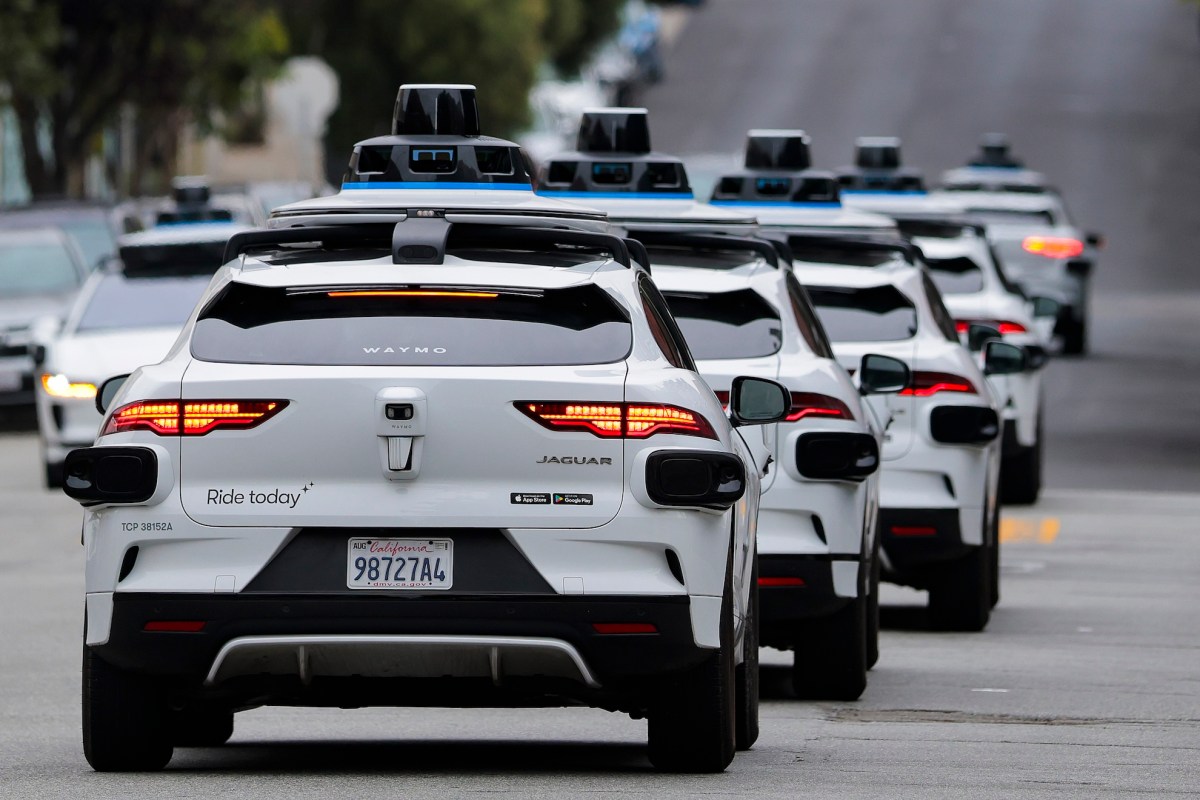
One of the most closely watched developments involves the evolving relationship between Uber and Waymo. Although the companies continue to cooperate in selected markets such as Atlanta and Austin, industry observers increasingly question how long these partnerships will remain in place. As each company pursues its own long-term robotaxi ambitions, strategic interests may gradually diverge, transforming former collaborators into direct competitors.
Such a shift would extend beyond commercial operations. Market access, regulatory engagement, and public policy are expected to become major competitive battlegrounds as autonomous vehicle operators seek approvals to expand into additional cities. Companies capable of combining technological leadership with strong regulatory relationships are likely to gain a significant competitive advantage.
At the same time, the U.S. National Highway Traffic Safety Administration (NHTSA) has intensified its focus on how autonomous vehicles interact with emergency responders. The agency has instructed developers to address situations in which self-driving vehicles fail to recognize or appropriately respond to police officers, firefighters, and emergency personnel, emphasizing that these incidents cannot be treated as exceptional edge cases.
Although the directive applies broadly across the autonomous vehicle industry, the discussion has drawn renewed attention to Waymo, whose robotaxi fleet is currently the largest operating commercially in the United States. Previous incidents involving emergency response interactions, combined with recent traffic disruptions following San Francisco's Independence Day celebrations, have reinforced calls for stronger operational safeguards before wider deployment.
The regulator has requested that autonomous vehicle developers submit practical solutions before the end of the month, indicating a more proactive oversight approach that could influence future operating approvals and compliance standards across the industry.
Alongside these immediate safety concerns, federal policymakers are also considering broader updates to the Federal Motor Vehicle Safety Standards. Proposed revisions could accommodate purpose-built autonomous vehicles that eliminate conventional driving controls such as steering wheels and pedals. If adopted, these changes would remove long-standing regulatory barriers for manufacturers developing fully autonomous transportation platforms.
The evolving regulatory framework carries implications well beyond compliance. It has the potential to reshape product development priorities, accelerate investment in advanced safety systems, and redefine competitive dynamics among technology companies, automakers, and mobility platforms seeking leadership in autonomous transportation.
As commercialization of robotaxi services expands, the industry's next phase is likely to be determined not only by advances in artificial intelligence and autonomous driving software, but also by companies' ability to earn regulatory confidence and demonstrate reliable performance in complex real-world environments.
News You Should See
2026 Nobel Medicine Prize Honors Scientists Behind Optogenetics Breakthrough
Oil Prices Edge Lower as Stronger Middle East Exports and G7 Reserves Ease Supply Concerns
Trump Offers U.S. Assistance to Russia After Death at Siberian Plague Research Institute
Trump Takes Economic Message to Nebraska as GOP Faces Rising Cost-of-Living Pressure
U.S. Appeals Court Weighs Trump Administration’s $2.6 Billion Harvard Funding Fight
U.S. Midterm Elections Begin With Resilient Jobs Market and Persistent Cost Pressures
Latest News
The 2026 Nobel Prize in Physiology or Medicine honors Karl Deisseroth, Peter Hegemann and Georg Nagel for pioneering research behind optogenetics and its impact on neuroscience.
Oil prices edged lower as stronger Middle Eastern exports and a planned G7 release of 100 million barrels eased immediate supply concerns, while Gulf security risks and the Strait of Hormuz kept markets alert.
President Donald Trump said the United States would help Russia if needed after a laboratory worker died at a Siberian plague research institute, as Russian authorities imposed precautionary quarantine measures.
Trump’s Nebraska campaign stop highlights rising fuel and grocery costs, beef prices and growing economic pressure on Republicans ahead of the November midterm elections.
A U.S. appeals court is reviewing the Trump administration’s effort to cut Harvard’s federal research funding, with more than $2.6 billion at stake.
The U.S. enters the 2026 midterm elections with unemployment at 4.2%, while higher living and energy costs create economic pressure for households and businesses.
US services growth eased in September as input prices climbed to their highest level since July 2022, with fuel costs, supply-chain disruptions and strong demand increasing pressure on businesses.
Rising Treasury yields are increasing U.S. borrowing costs as Washington manages record debt, persistent inflation and strong economic demand, narrowing its policy options.
A EGP 16 million corporate partnership will establish and equip a bone marrow transplant unit at Cairo’s Coptic Hospital, supporting access to specialized treatment for patients.