Pope Leo Opposes Death Penalty as U.S. Weighs Broadcasting Military Execution
Pope Leo's renewed opposition to capital punishment intensifies scrutiny of a proposed livestream of Nidal Hasan's scheduled military execution, as lawmakers and religious leaders question the public broadcasting of state punishment.

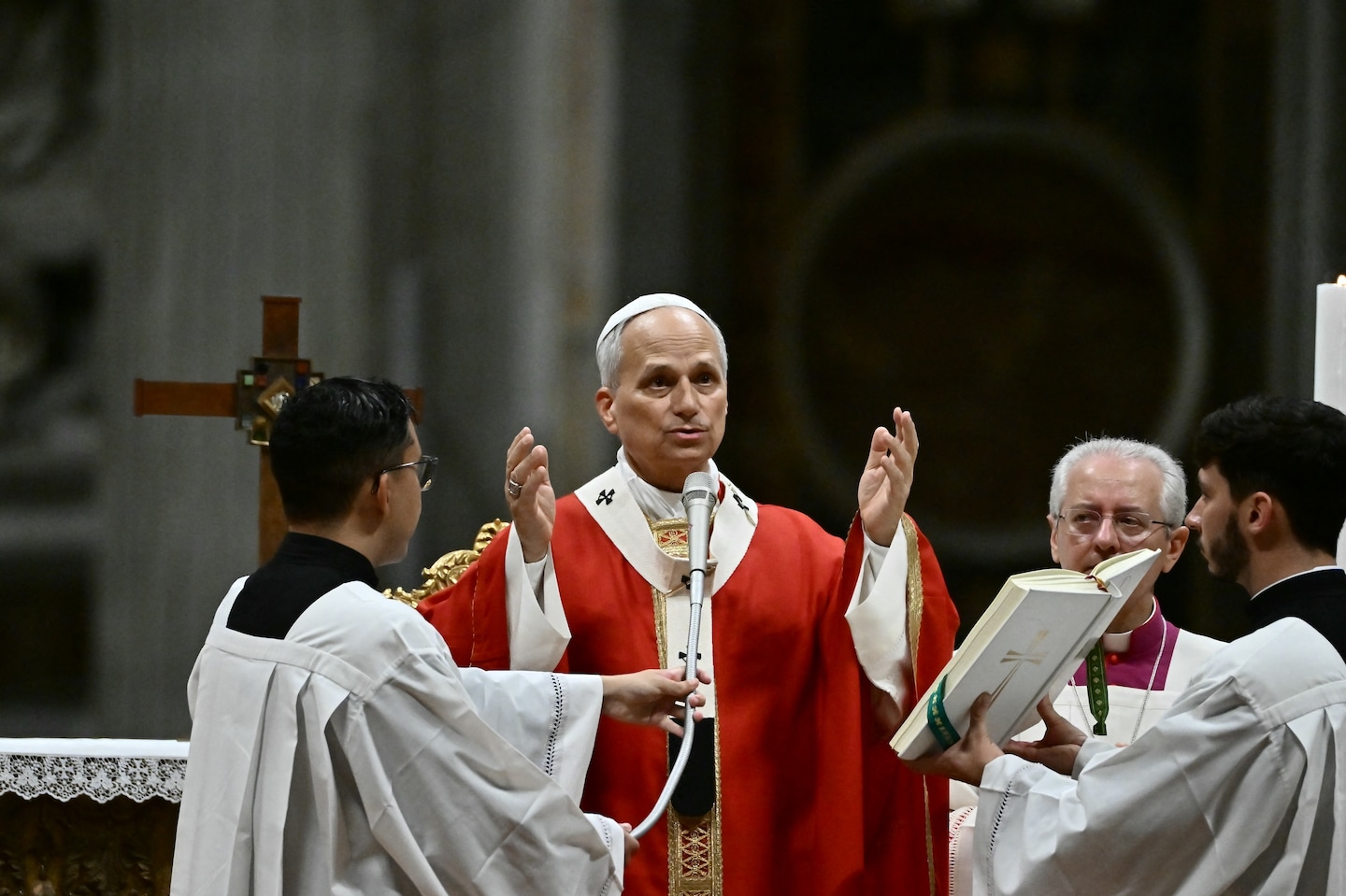
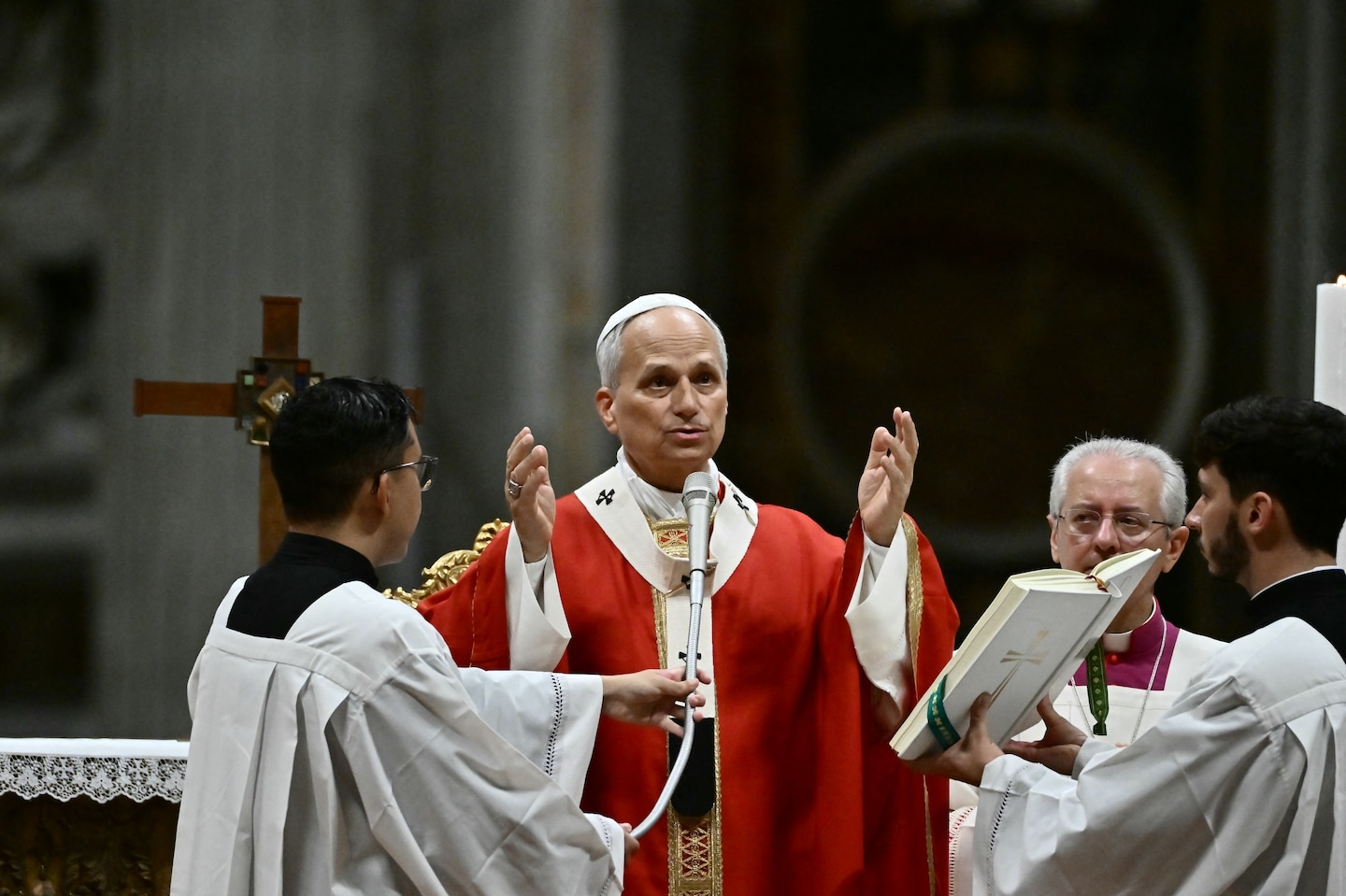
Pope Leo's Death Penalty Stance Adds Pressure to U.S. Debate Over Military Execution Broadcast
The debate over capital punishment in the United States has taken on a new dimension following Pope Leo's renewed opposition to the death penalty on October 10 and growing criticism of a proposal to livestream a planned military execution. The controversy places questions of criminal justice, public accountability and human dignity at the center of a politically sensitive decision that the Trump administration has yet to resolve.
At issue is the scheduled execution of Nidal Hasan, a former U.S. Army psychiatrist convicted in connection with the 2009 Fort Hood shooting, which killed 13 people. Defense Secretary Pete Hegseth has said the military plans to livestream the execution, scheduled for December 3 and expected to be carried out by firing squad. If authorized, the broadcast would mark an unprecedented public transmission of a U.S. military execution.
The distinction between carrying out the sentence and broadcasting it is central to the dispute. The scheduled execution and the proposed livestream are separate matters, and the latter remains subject to a final decision by President Donald Trump.
A Moral Debate With Political Consequences
Pope Leo's intervention reinforces a long-running religious and ethical objection to capital punishment. He argued that the death penalty conflicts with human dignity and the sanctity of human life, placing the proposed broadcast within a broader debate over the limits of state authority and the treatment of people convicted of serious crimes.
The controversy has extended beyond religious circles. Members of Congress, including some Republicans, have raised objections, while religious figures and international observers have also criticized the proposal. Vice President JD Vance has expressed doubts about the plan and said he would not watch the livestream.
These reactions illustrate how an issue involving military procedure can become a wider test of political judgment. Even among officials who may support capital punishment, the public transmission of an execution raises a separate set of questions about necessity, proportionality and the message conveyed by government institutions.
For the administration, the challenge is not simply whether to proceed with a planned punishment. It must also consider whether broadcasting the event would serve a defensible public purpose and whether the potential consequences would justify the precedent it could establish.
Military Justice and the Question of Public Access
The proposal introduces a difficult question about transparency in military justice: does public access require the direct transmission of an execution, or can accountability be maintained through other forms of official reporting and oversight?
Supporters of greater visibility might argue that broadcasting a state action makes government conduct more open to public scrutiny. Critics, however, can question whether turning an execution into a live event advances meaningful transparency or instead changes the nature of the punishment by making its spectacle a central feature.
The distinction matters because military institutions operate under specific legal and disciplinary frameworks, while public communications can shape how their decisions are understood at home and abroad. An unprecedented broadcast could become a reference point for future disputes over the visibility of military punishment, regardless of whether the administration ultimately authorizes it.
The decision therefore carries implications beyond one case. It could influence expectations about what the public is entitled to see when the government exercises its most severe punitive powers.
Institutional Credibility and the Wider Debate Over Executions
The controversy is also unfolding against a broader backdrop of scrutiny surrounding capital punishment. A separate botched lethal injection in Tennessee has added to questions about how executions are administered and the risks associated with their implementation.
Although the Tennessee incident is distinct from the planned military execution, the two developments contribute to a wider discussion about the reliability, oversight and ethical implications of state-sanctioned death. Together, they underscore the importance of examining not only the legal basis for a punishment but also the procedures used to carry it out.
For government institutions, the issue extends to public confidence. Decisions concerning executions can affect perceptions of fairness, competence and institutional restraint. A highly visible broadcast could intensify those perceptions, making the administration's handling of the proposal consequential well beyond the scheduled date.
The Decision Facing the Trump Administration
President Trump has not made a final decision on whether the proposed livestream will be authorized. That unresolved question leaves the administration balancing its position on punishment against objections from lawmakers, religious leaders and other observers.
Authorizing the broadcast would introduce an unprecedented form of public exposure for a U.S. military execution. Rejecting it would leave the scheduled execution as a separate matter while avoiding the immediate precedent associated with transmitting it live. Neither outcome, by itself, would settle the wider debate over capital punishment.
The controversy ultimately highlights the difference between the government's authority to impose a sentence and its decision about how that sentence should be presented to the public. As the December 3 date approaches, the broadcast proposal remains a test of the administration's approach to military justice, public scrutiny and the boundaries of state power.
News You Should See
Egyptian Healthcare Leader Dr. Hossam Abdel Maksoud Honored by The New York Foundling
U.S. Producer Prices Surge as Fuel Costs Intensify Inflation Concerns
IMF Calls for Stronger China Stimulus as Growth Slows and Deflation Risks Persist
AI Infrastructure Investment Faces Rising Costs and Greater Investor Scrutiny
Brewers Move Within One Win of World Series as Dodgers Face Elimination
Trump Takes Midterm Campaign to Arizona and Montana as Republicans Face Tougher Races
Latest News
Dr. Hossam Abdel Maksoud, founder of Dawah Pharma and CEO of Community Care Rx, receives recognition from The New York Foundling for his contributions to healthcare access and community service.
U.S. producer prices rose 1.3% in September and 6.3% year over year as gasoline and diesel costs surged, complicating the inflation outlook and Federal Reserve rate expectations.
The IMF urges China to expand fiscal stimulus, strengthen household demand and address its prolonged property crisis as growth is forecast to slow to 4.5% in 2026 and 4.0% in 2027.
Rising borrowing costs and investor caution are reshaping AI infrastructure investment, putting data center debt, project economics and long-term returns under closer scrutiny.
The Milwaukee Brewers beat the Los Angeles Dodgers 6-2 to take a 3-0 NLCS lead. Jake Bauers, Garrett Mitchell and Jackson Chourio powered Milwaukee to the brink of its first World Series appearance since 1982.
Trump campaigned in Arizona and Montana for Republicans as Democrats promoted affordability, healthcare and congressional oversight ahead of the 2026 midterms.
Trump campaigns for Alaska Sen. Dan Sullivan as Democrat Mary Peltola mounts a challenge ahead of the November 3 midterms, with inflation and fuel prices shaping the race.
Aberdeen police urge Heritage Square residents to check for missing valuables after superintendent Nicholas Brent’s arrest. The investigation continues, and the allegations remain unproven.
The Law Offices of Marc S. Albert announced six personal injury and medical malpractice settlements totaling $7.446 million, including cases involving a hospital respiratory emergency, vehicle crashes, a fall and a bicyclist.