Pinwheel Reinvents the Family Phone with a Screen-Free Smart Landline Designed for Children
The new Wi-Fi-powered Pinwheel Home combines nostalgic design, parental controls, and distraction-free communication to offer children a safer first calling experience without smartphones.



Pinwheel is expanding its vision of child-friendly communication beyond smartphones with the introduction of Pinwheel Home, a Wi-Fi-powered landline that revives the familiarity of traditional household telephones while adapting the concept to the expectations of today's digital families. Rather than competing directly with smartphones through additional features or entertainment services, the company has intentionally designed a product that removes distractions and restores voice communication as its primary purpose.
The launch reflects a broader shift in consumer behavior, where many parents are seeking technology that supports children's independence without exposing them to the risks associated with unrestricted internet access, social media platforms, or constant screen time. Instead of introducing another connected display into the home, Pinwheel has built a communication device that emphasizes simplicity, predictability, and parental oversight.
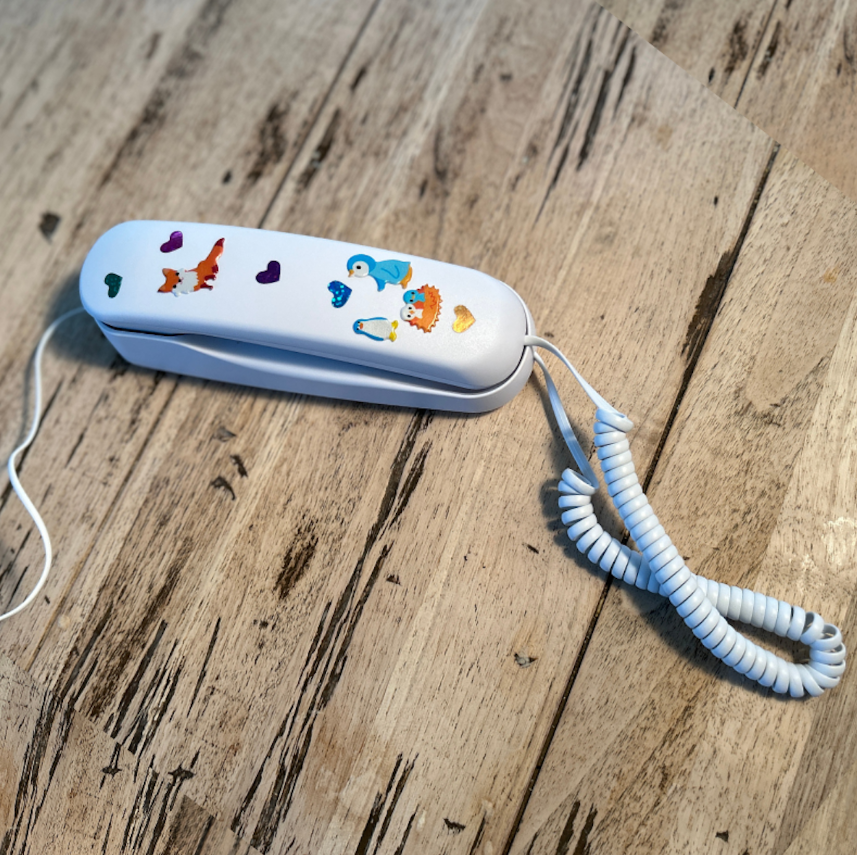
From a design strategy perspective, Pinwheel Home draws inspiration from the nostalgic appearance of classic household landline telephones while incorporating modern wireless infrastructure. The device operates through a Wi-Fi connection instead of conventional telephone wiring, allowing families to place it anywhere in the home without requiring installation through traditional telecom providers. This combination of familiar industrial design and modern connectivity creates a product that appeals simultaneously to parents' memories and contemporary household needs.
Unlike conventional smartphones, the device has no entertainment ecosystem. There are no downloadable applications, games, web browsers, social media feeds, or advertising-driven interfaces competing for children's attention. Every design decision reinforces the company's philosophy that communication technology should encourage meaningful interaction rather than continuous digital engagement.
Parental management forms the foundation of the product's ecosystem. Families configure the device through Pinwheel's mobile application, where parents determine exactly which contacts are authorized to communicate with their children. Calls can only be placed to approved contacts, while incoming communication is similarly restricted, creating a controlled environment that minimizes unwanted interactions and enhances digital safety.
The platform also provides parents with administrative capabilities such as reviewing communication activity, updating approved contact lists, and adjusting permissions as family needs evolve. These controls transform the phone from a traditional household appliance into a managed communication platform tailored specifically for modern parenting.
Economically, the launch represents an important expansion of Pinwheel's business model. The company initially established its reputation through child-focused smartphones equipped with extensive parental controls. By introducing a complementary home communication device, Pinwheel broadens its ecosystem beyond mobile hardware and increases opportunities for long-term customer retention. Families already invested in the company's smartphone products can integrate the new landline into the same digital management environment, strengthening ecosystem loyalty while creating additional recurring subscription opportunities.
The product also positions the company within a rapidly growing segment of technology focused on digital wellness. Increasing public concern regarding excessive screen exposure, online safety, and children's mental well-being has encouraged demand for devices that intentionally reduce digital stimulation rather than maximize engagement. Pinwheel Home aligns closely with this emerging market direction by offering technology that prioritizes communication over consumption.
From a branding perspective, the launch reinforces Pinwheel's identity as a company dedicated to responsible technology for children. Instead of promoting innovation through increasingly sophisticated displays or artificial intelligence features, the brand differentiates itself by simplifying technology and placing family trust at the center of its product philosophy. The retro-inspired appearance further strengthens this positioning by combining emotional familiarity with practical modern functionality.
The introduction of Pinwheel Home illustrates how consumer electronics companies are beginning to rethink connected devices through the lens of digital balance. Rather than asking how technology can capture more attention, Pinwheel asks how technology can accomplish essential communication while demanding less of children's time and focus. This strategic direction not only distinguishes the company within the competitive family technology market but also reflects a broader movement toward products that value intentional use over constant connectivity.
News You Should See
2026 Nobel Medicine Prize Honors Scientists Behind Optogenetics Breakthrough
Oil Prices Edge Lower as Stronger Middle East Exports and G7 Reserves Ease Supply Concerns
Trump Offers U.S. Assistance to Russia After Death at Siberian Plague Research Institute
Trump Takes Economic Message to Nebraska as GOP Faces Rising Cost-of-Living Pressure
U.S. Appeals Court Weighs Trump Administration’s $2.6 Billion Harvard Funding Fight
U.S. Midterm Elections Begin With Resilient Jobs Market and Persistent Cost Pressures
Latest News
The 2026 Nobel Prize in Physiology or Medicine honors Karl Deisseroth, Peter Hegemann and Georg Nagel for pioneering research behind optogenetics and its impact on neuroscience.
Oil prices edged lower as stronger Middle Eastern exports and a planned G7 release of 100 million barrels eased immediate supply concerns, while Gulf security risks and the Strait of Hormuz kept markets alert.
President Donald Trump said the United States would help Russia if needed after a laboratory worker died at a Siberian plague research institute, as Russian authorities imposed precautionary quarantine measures.
Trump’s Nebraska campaign stop highlights rising fuel and grocery costs, beef prices and growing economic pressure on Republicans ahead of the November midterm elections.
A U.S. appeals court is reviewing the Trump administration’s effort to cut Harvard’s federal research funding, with more than $2.6 billion at stake.
The U.S. enters the 2026 midterm elections with unemployment at 4.2%, while higher living and energy costs create economic pressure for households and businesses.
US services growth eased in September as input prices climbed to their highest level since July 2022, with fuel costs, supply-chain disruptions and strong demand increasing pressure on businesses.
Rising Treasury yields are increasing U.S. borrowing costs as Washington manages record debt, persistent inflation and strong economic demand, narrowing its policy options.
A EGP 16 million corporate partnership will establish and equip a bone marrow transplant unit at Cairo’s Coptic Hospital, supporting access to specialized treatment for patients.