Papa Johns Expands Its Delivery Ecosystem Through Walmart’s Retail Network
The pizza chain is using Walmart Express Delivery to reach new customers, create additional ordering occasions and strengthen its position as restaurant delivery becomes increasingly competitive.

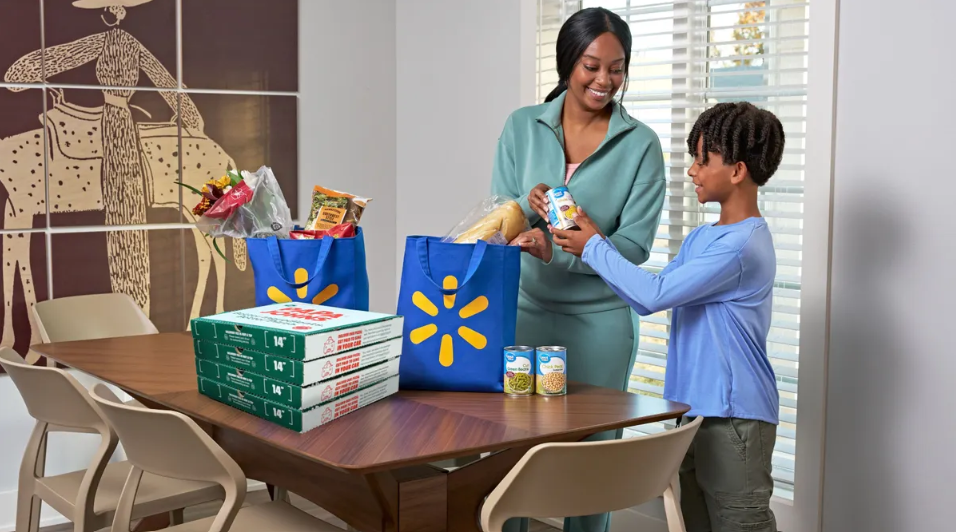
Papa Johns is expanding its delivery strategy through a new partnership with Walmart, creating another route through which customers can order the pizza chain’s products as part of their everyday shopping experience. Under the agreement, customers will be able to purchase Papa Johns pizzas, sides and desserts through Walmart Express Delivery from participating restaurants located near Walmart stores. The service is scheduled to begin in select markets during the fall before expanding to thousands of participating locations nationwide.
The partnership represents a strategic shift in how Papa Johns approaches the delivery channel. Instead of treating restaurant delivery as a standalone transaction that begins and ends with a dedicated food-ordering journey, the company is placing its products inside a broader retail ecosystem. Customers who are already using Walmart’s digital platform to purchase groceries and household products can now encounter Papa Johns as another option within the same shopping environment.
For Walmart, the move continues its effort to turn its digital platform into a broader destination for consumers’ everyday needs. The retailer launched restaurant delivery in June through a partnership with Subway, allowing customers to order Subway meals through Walmart’s app and website. Papa Johns becomes another restaurant brand that can use the retailer’s infrastructure to reach consumers without requiring them to leave Walmart’s digital ecosystem.
Eligible customers will be able to find Papa Johns through the restaurant section of Walmart’s app or website. The ordering structure is designed to offer two different behaviors: customers can purchase Papa Johns products together with their Walmart grocery order, or they can place an order exclusively for the restaurant’s menu items. This flexibility is strategically important because it creates additional consumption occasions rather than limiting the service to traditional restaurant delivery moments.
The idea of connecting pizza with grocery shopping also changes the context in which the Papa Johns brand is presented. Instead of waiting for a consumer to actively decide that they want pizza and then opening a restaurant delivery application, the brand can appear while the customer is already engaged in a broader shopping mission. This can shorten the distance between product discovery and purchase and potentially introduce Papa Johns to customers who may not have considered the chain as their first choice.
Papa Johns Global Chief Marketing Officer Chris Lyn-Sue described the partnership as an opportunity to bring the company’s focus on quality into new shopping occasions while introducing the brand to additional consumers. That positioning is significant from a branding perspective because the partnership is not being presented solely as a logistical delivery arrangement. It is also being used as a mechanism for expanding where and when the brand can be encountered.
The economic rationale is closely connected to customer acquisition. Papa Johns has experienced pressure on comparable sales in recent quarters, while pizza chains across the U.S. face a more challenging delivery environment. The growth of restaurant choices available through delivery platforms has weakened the historical advantage pizza brands enjoyed in the off-premise market. When consumers can choose from a much wider selection of restaurant categories, pizza companies must compete not only on food quality and price but also on visibility, accessibility and convenience.
Walmart’s platform gives Papa Johns another source of digital visibility. A customer who may already be searching for groceries can encounter the restaurant brand within the same application, creating an opportunity to reach consumers outside the traditional restaurant ordering funnel. This could be particularly valuable for customer acquisition because the partnership exposes Papa Johns to Walmart shoppers who may not routinely order directly from Papa Johns or through other food delivery platforms.
The partnership also reflects the changing economics of third-party delivery. Papa Johns has expanded its relationships with external delivery platforms in recent years, initially turning to aggregators partly in response to driver shortages. However, third-party delivery has become increasingly crowded as major restaurant chains compete for the same digital customers and delivery infrastructure.
The company is now paying closer attention to the economics of those relationships. During an August earnings call, CEO and President Todd Penegor said Papa Johns was becoming more conscious of how much it spends on third-party delivery and saw opportunities to make those investments more productive through promotions. He also indicated that the company was examining how the brand appears on third-party platforms and identifying adjustments that could help it compete more effectively.
This makes the Walmart partnership particularly relevant. The value of a delivery platform is no longer determined solely by its ability to move food from a restaurant to a consumer. Visibility, customer acquisition, promotional opportunities and the ability to encourage trial have become equally important. A platform that introduces Papa Johns to new customers can potentially generate value beyond the individual delivery transaction.
The arrangement may also give Papa Johns access to new ordering occasions. A customer completing a Walmart grocery purchase might add pizza to the order for a family meal, a weekend gathering or another occasion without having planned the restaurant purchase in advance. The ability to combine restaurant food with grocery shopping effectively broadens the range of situations in which Papa Johns can compete for consumer spending.
This is important because restaurant brands increasingly need to compete for occasions rather than simply compete against other restaurants. Consumers do not always begin with a fixed decision to purchase from one chain. They may instead decide what they want to eat based on convenience, timing, price, availability and the context of the occasion. By entering Walmart’s shopping environment, Papa Johns can position itself closer to that decision-making process.
From a design and customer-experience perspective, the integration also reduces friction. Customers already familiar with Walmart’s interface can discover and order Papa Johns through an environment they are using for another purpose. The restaurant does not need to convince every potential customer to download another application or begin a separate digital journey. Instead, the ordering process becomes part of an existing ecosystem.
The partnership also provides Walmart with a stronger proposition for its own digital platform. Restaurant delivery gives the retailer another reason for customers to use its application and website beyond grocery and general merchandise purchases. As digital commerce becomes increasingly competitive, retailers are looking for ways to increase the frequency and breadth of customer interactions with their platforms. Restaurant ordering can contribute to that strategy by turning a retail application into a broader everyday-services interface.
The timing is also notable because Papa Johns is not the only restaurant company moving toward Walmart’s delivery ecosystem. Dunkin’ recently partnered with Walmart to offer delivery from restaurants located inside Walmart stores and later from additional units outside the retailer. This suggests that Walmart is developing restaurant delivery as a broader category rather than treating its relationship with Subway as an isolated experiment.
For Papa Johns, entering this ecosystem could therefore provide a first-mover advantage within its own category while the service is still expanding. The company will initially operate in selected markets before the program is expected to grow to thousands of participating locations across the country. The scale of that expansion could determine whether the partnership becomes primarily a customer-acquisition tool or develops into a meaningful component of Papa Johns’ broader delivery strategy.
The move also fits into Papa Johns’ wider effort to strengthen its off-premise business. The company has been exploring multiple delivery channels while adapting to changing consumer behavior and increased competition among restaurant brands. Rather than depending on a single platform, its strategy increasingly involves maintaining access to consumers through several digital and delivery ecosystems.
There is also a brand-building dimension to this diversification. Each additional channel creates another environment in which Papa Johns can communicate its identity, display its products and encourage consumers to try the brand. However, the effectiveness of the strategy will depend on whether the company can maintain a consistent brand presentation across different platforms while ensuring that promotions and pricing remain economically sustainable.
Ultimately, the Walmart partnership is about more than delivering pizza through another application. It represents an attempt by Papa Johns to reposition delivery as a broader customer-acquisition and brand-discovery mechanism. By entering Walmart’s retail ecosystem, the company can potentially reach consumers during shopping occasions that would not traditionally lead to a restaurant order, while Walmart gains another category that can increase the usefulness of its digital platform.
The economic opportunity will depend on whether the additional visibility and customer access can generate profitable incremental demand. At the same time, the partnership highlights a larger transformation in restaurant delivery: convenience is increasingly being built into ecosystems rather than individual applications. As retailers, restaurants and technology platforms compete to control more parts of the customer journey, the brands that can appear naturally within those journeys may gain an advantage.
For Papa Johns, Walmart offers another path toward that objective. The company is effectively expanding the definition of where a pizza order can begin, moving from a traditional restaurant transaction toward a retail-integrated experience in which food, groceries and digital commerce can exist within the same customer journey. If the model succeeds at scale, the partnership could become an important part of how Papa Johns reaches new consumers and competes in an increasingly fragmented delivery market.
News You Should See
2026 Nobel Medicine Prize Honors Scientists Behind Optogenetics Breakthrough
Oil Prices Edge Lower as Stronger Middle East Exports and G7 Reserves Ease Supply Concerns
Trump Offers U.S. Assistance to Russia After Death at Siberian Plague Research Institute
Trump Takes Economic Message to Nebraska as GOP Faces Rising Cost-of-Living Pressure
U.S. Appeals Court Weighs Trump Administration’s $2.6 Billion Harvard Funding Fight
U.S. Midterm Elections Begin With Resilient Jobs Market and Persistent Cost Pressures
Latest News
The 2026 Nobel Prize in Physiology or Medicine honors Karl Deisseroth, Peter Hegemann and Georg Nagel for pioneering research behind optogenetics and its impact on neuroscience.
Oil prices edged lower as stronger Middle Eastern exports and a planned G7 release of 100 million barrels eased immediate supply concerns, while Gulf security risks and the Strait of Hormuz kept markets alert.
President Donald Trump said the United States would help Russia if needed after a laboratory worker died at a Siberian plague research institute, as Russian authorities imposed precautionary quarantine measures.
Trump’s Nebraska campaign stop highlights rising fuel and grocery costs, beef prices and growing economic pressure on Republicans ahead of the November midterm elections.
A U.S. appeals court is reviewing the Trump administration’s effort to cut Harvard’s federal research funding, with more than $2.6 billion at stake.
The U.S. enters the 2026 midterm elections with unemployment at 4.2%, while higher living and energy costs create economic pressure for households and businesses.
US services growth eased in September as input prices climbed to their highest level since July 2022, with fuel costs, supply-chain disruptions and strong demand increasing pressure on businesses.
Rising Treasury yields are increasing U.S. borrowing costs as Washington manages record debt, persistent inflation and strong economic demand, narrowing its policy options.
A EGP 16 million corporate partnership will establish and equip a bone marrow transplant unit at Cairo’s Coptic Hospital, supporting access to specialized treatment for patients.