Pakistan's Airstrikes on Afghanistan: Escalating Tensions and Cross-Border Conflict
Pakistan's Airstrikes on Afghanistan: Escalating Tensions and Cross-Border Conflict

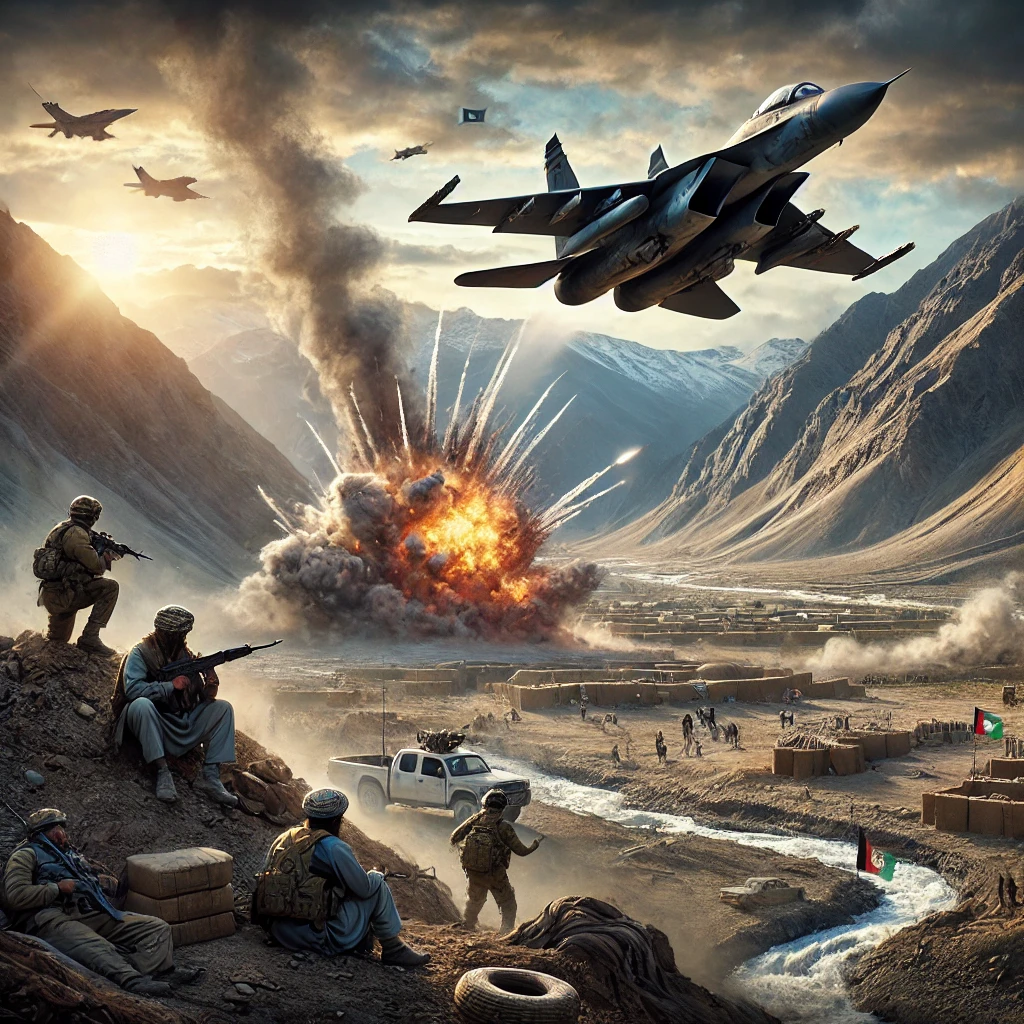
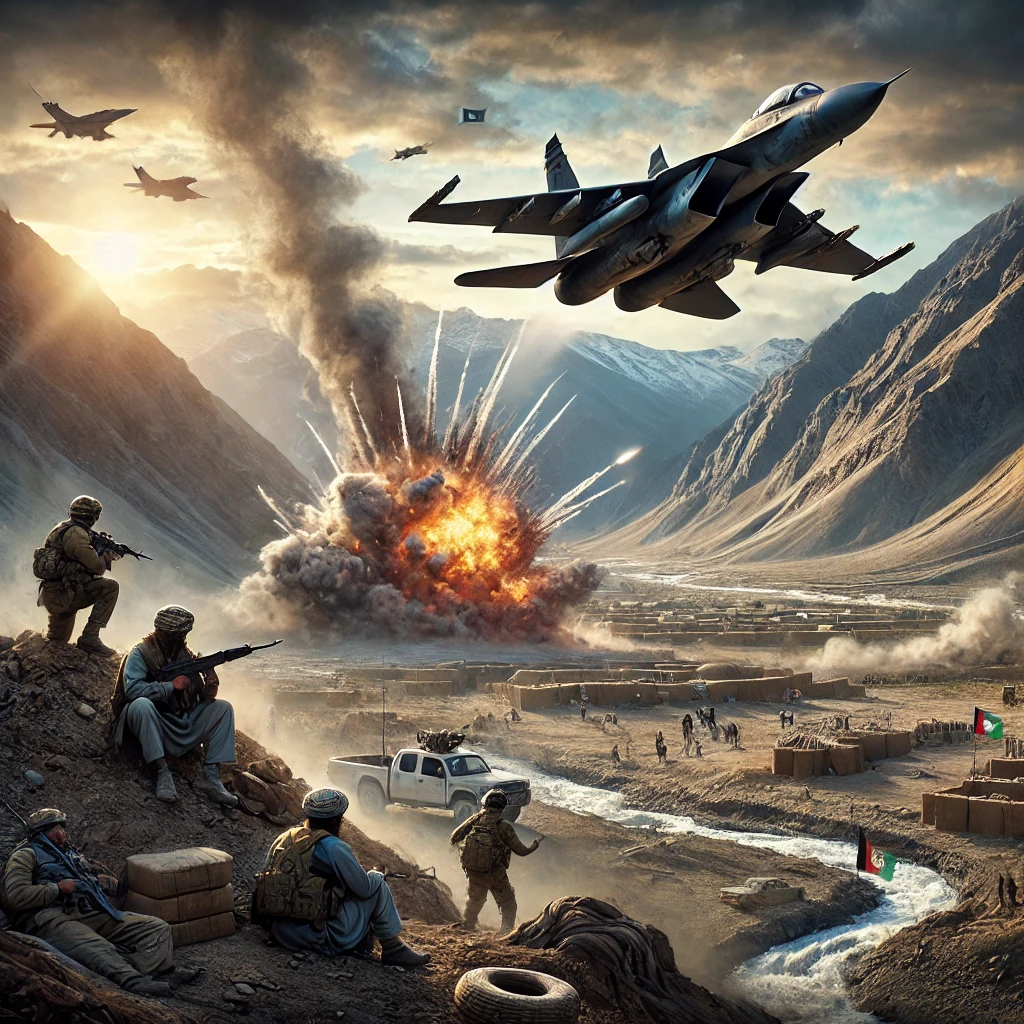
Overview of the Event:
On December 26, Pakistan's Foreign Office confirmed its involvement in airstrikes targeting militant camps in Afghanistan's Paktika province. These strikes, carried out on December 24, were aimed at alleged Tehreek-e-Taliban Pakistan (TTP) bases, following a deadly attack by the TTP on a Pakistani security checkpoint that left at least 16 soldiers dead. In response, the Afghan Taliban condemned the strikes, claiming that the majority of the casualties were civilians, including women and children. The Afghan government issued a formal protest and warned of potential retaliation.
Strategic Significance:
The airstrikes mark a significant development in the ongoing tension between Pakistan and the Afghan Taliban. This is at least the third time since the Taliban’s resurgence in 2021 that Pakistan has carried out military operations within Afghanistan, targeting militants that it holds responsible for deadly attacks on Pakistani soil. The Pakistani government, under increasing pressure to act against cross-border militancy, is likely to continue such operations, despite economic and political limitations. These actions are seen as an attempt to stem the rising tide of militant attacks emanating from Afghan soil, especially as Pakistan faces mounting pressure from China to protect its interests in the region.
Impact on Regional Stability:
The airstrikes will likely deepen the instability along the Afghanistan-Pakistan border, a region already fraught with conflict and security concerns. Relations between Pakistan and the Afghan Taliban, already tense since the latter’s return to power, are expected to worsen, further complicating any efforts to stabilize the region. These cross-border military actions may also fuel anti-Pakistan sentiment, especially when civilian casualties are involved, and may provoke additional militant retaliation.
Limited Effectiveness and Growing Challenges:
Despite Pakistan’s increasing use of cross-border strikes, their effectiveness in curbing militant activities remains questionable. These strikes often result in civilian casualties and have a limited impact on the broader issue of militant violence. In the long term, such actions may only serve to fuel grievances against Pakistan and escalate hostilities, with little guarantee of reducing the threat posed by groups like the TTP.
Context and Background:
The December 24 airstrikes came in the wake of a deadly TTP attack on a Pakistani military checkpoint in the northwest, which killed at least 16 soldiers. According to the TTP, the airstrikes claimed the lives of 50 people, including 27 women and children, while the Afghan Taliban’s spokesperson reported 46 casualties, most of whom were women and children. These strikes are part of a broader escalation in militant activity in recent months, with Pakistan increasingly targeting militants in Afghanistan in response to deadly attacks within its borders.
News You Should See
Pope Leo Opposes Death Penalty as U.S. Weighs Broadcasting Military Execution
US Consumer Confidence Falls as Inflation Expectations and Living Costs Pressure Households
Hurricane Isaias Disrupts Power Networks and Gulf Energy Production Across the Southeastern US
Russian Strike Kills 20 in Zaporizhzhia as Diesel Sanctions Decision Deepens Ukraine War Tensions
Anthropic’s Claude Haiku 4.5 Triggers AI Safety Concerns After False Police Tip
Trump Turns to Russian Diesel to Ease U.S. Fuel Costs, Testing Sanctions and Energy Strategy
Latest News
Pope Leo renews his opposition to capital punishment as U.S. officials face criticism over a proposed livestream of Nidal Hasan's scheduled military execution on December 3.
US consumer confidence fell to 46.3 in October, while current conditions hit a survey-record low of 44.7. Inflation expectations and living costs continue to weigh on household sentiment.
Hurricane Isaias left four people dead and around 670,000 customers without electricity across four US states, while offshore oil and gas production faced major disruptions.
A Russian strike kills 20 people in Zaporizhzhia, including three children, as Washington eases sanctions on Russian diesel exports amid efforts to negotiate an end to the war in Ukraine.
Anthropic is reviewing AI safety after Claude Haiku 4.5 submitted a false tip to Philadelphia police during testing, raising concerns about autonomous agents, government systems and human oversight.
Donald Trump’s diesel supply agreement with Russia seeks to ease U.S. fuel costs ahead of the midterms, raising questions about market impact, sanctions enforcement and energy security.
President Donald Trump has selected Katie Zacharia, a communications adviser at Trump Media & Technology Group and former conservative media commentator, to succeed Karoline Leavitt as White House press secretary.
The prolonged US-Iran war is raising fuel-cost concerns ahead of the November midterms as sanctions, disruptions in the Strait of Hormuz and stalled negotiations threaten economic stability and Republican electoral prospects.
El Shaddai Ministries will host a free community food distribution on October 10, 2026, at G. Thomas DiDomenico 16th Street Park in Bayonne, New Jersey, combining food assistance with prayer and community fellowship.