Pacific Hurricanes Put Mexico and Hawaii on Alert as U.S. Southwest Faces Flood Risk
Hurricane Polo is threatening Mexico’s Baja California peninsula while Hurricane Nolo moves away from Hawaii, with heavy rainfall and flooding risks extending across the region.

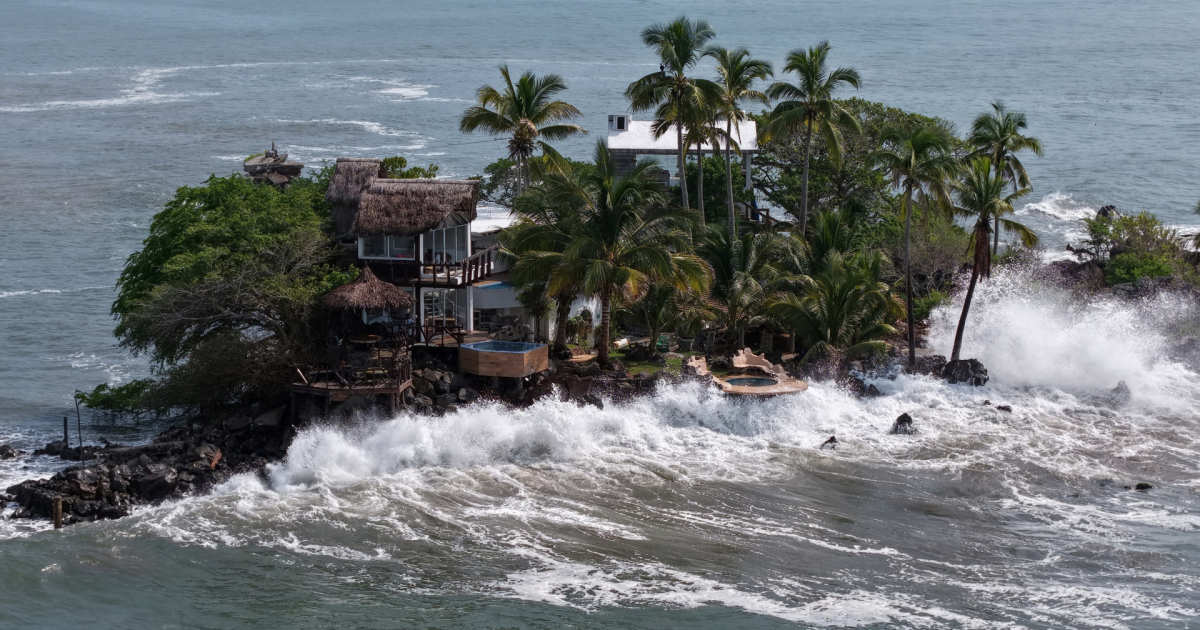
A highly active Pacific hurricane pattern is putting several communities across Mexico and Hawaii under pressure, while the potential movement of storm-related rainfall toward the U.S. Southwest adds another layer to the regional risk.
Hurricane Polo was approaching Mexico’s Baja California peninsula after strengthening into a major hurricane, with forecasters warning of storm surge, destructive winds, heavy rainfall, flash flooding and mudslides. Authorities in Baja California were preparing shelters and emergency resources, while Mexican military and naval personnel were positioned to support communities that could become isolated.
The potential impact is particularly significant for smaller coastal communities where infrastructure remains limited. San Juanico, a fishing community on Baja’s Pacific coast, has only had full-time electricity for a few years and continues to experience power interruptions. Washed-out roads could also cut residents off from medical services, highlighting how severe weather can quickly become an infrastructure and supply-chain problem rather than simply a temporary weather emergency.
For local businesses, the consequences can extend well beyond physical damage. Coastal hotels, restaurants, fishing operations and small retailers depend heavily on transportation links, electricity and access to customers and supplies. A storm that blocks roads or disrupts power can effectively suspend commercial activity even when individual buildings remain standing.
Mexico’s response also illustrates the economic importance of emergency logistics. Authorities prepared shelters, closed ports and positioned naval vessels capable of delivering assistance to coastal communities. Those measures are designed not only to protect lives but also to preserve access to areas that could otherwise become isolated after flooding or landslides.
Hawaii was dealing with a separate but related threat. Hurricane Nolo was moving away from the islands after bringing heavy rain and dangerous conditions, but forecasters continued to warn about flooding and mudslides. The Big Island faced the possibility of very heavy rainfall, while authorities maintained emergency preparations following earlier storm damage that had already affected homes, businesses and public infrastructure.
The overlapping storms are also relevant to the United States beyond Hawaii. Forecasters expected moisture associated with Polo to move into parts of the Southwest, potentially increasing flash-flood risks in Arizona and New Mexico. That creates a broader chain of exposure in which a storm developing off the Mexican coast can affect communities hundreds of miles away through rainfall rather than direct hurricane-force winds.
For companies operating in exposed regions, the event reinforces the value of continuity planning. Electricity availability, road access, fuel supplies, communications and the ability to relocate employees or equipment can determine whether a business resumes operations quickly or faces prolonged disruption. The challenge is especially acute for smaller enterprises that lack the financial reserves and redundant infrastructure available to larger organizations.
The wider Pacific storm pattern is occurring during an unusually active hurricane season. National Weather Service forecasters have linked the elevated Pacific activity with El Niño conditions, which can favor increased tropical cyclone activity in the region. Multiple storms operating simultaneously can place additional demands on emergency services, transportation networks and local economies.
The significance of Polo and Nolo therefore extends beyond the immediate weather forecast. The storms demonstrate how extreme weather can expose weaknesses in infrastructure, disrupt local commerce and create secondary risks far from the original storm track. For Mexico, Hawaii and parts of the U.S. Southwest, the ability to strengthen infrastructure and emergency coordination will remain an important economic and public-policy issue as communities prepare for increasingly complex weather threats.
News You Should See
2026 Nobel Medicine Prize Honors Scientists Behind Optogenetics Breakthrough
Oil Prices Edge Lower as Stronger Middle East Exports and G7 Reserves Ease Supply Concerns
Trump Offers U.S. Assistance to Russia After Death at Siberian Plague Research Institute
Trump Takes Economic Message to Nebraska as GOP Faces Rising Cost-of-Living Pressure
U.S. Appeals Court Weighs Trump Administration’s $2.6 Billion Harvard Funding Fight
U.S. Midterm Elections Begin With Resilient Jobs Market and Persistent Cost Pressures
Latest News
The 2026 Nobel Prize in Physiology or Medicine honors Karl Deisseroth, Peter Hegemann and Georg Nagel for pioneering research behind optogenetics and its impact on neuroscience.
Oil prices edged lower as stronger Middle Eastern exports and a planned G7 release of 100 million barrels eased immediate supply concerns, while Gulf security risks and the Strait of Hormuz kept markets alert.
President Donald Trump said the United States would help Russia if needed after a laboratory worker died at a Siberian plague research institute, as Russian authorities imposed precautionary quarantine measures.
Trump’s Nebraska campaign stop highlights rising fuel and grocery costs, beef prices and growing economic pressure on Republicans ahead of the November midterm elections.
A U.S. appeals court is reviewing the Trump administration’s effort to cut Harvard’s federal research funding, with more than $2.6 billion at stake.
The U.S. enters the 2026 midterm elections with unemployment at 4.2%, while higher living and energy costs create economic pressure for households and businesses.
US services growth eased in September as input prices climbed to their highest level since July 2022, with fuel costs, supply-chain disruptions and strong demand increasing pressure on businesses.
Rising Treasury yields are increasing U.S. borrowing costs as Washington manages record debt, persistent inflation and strong economic demand, narrowing its policy options.
A EGP 16 million corporate partnership will establish and equip a bone marrow transplant unit at Cairo’s Coptic Hospital, supporting access to specialized treatment for patients.