Ozempic Found to Reduce Alcohol Consumption in First Clinical Trial for Alcohol-Use Disorder
Ozempic Found to Reduce Alcohol Consumption in First Clinical Trial for Alcohol-Use Disorder

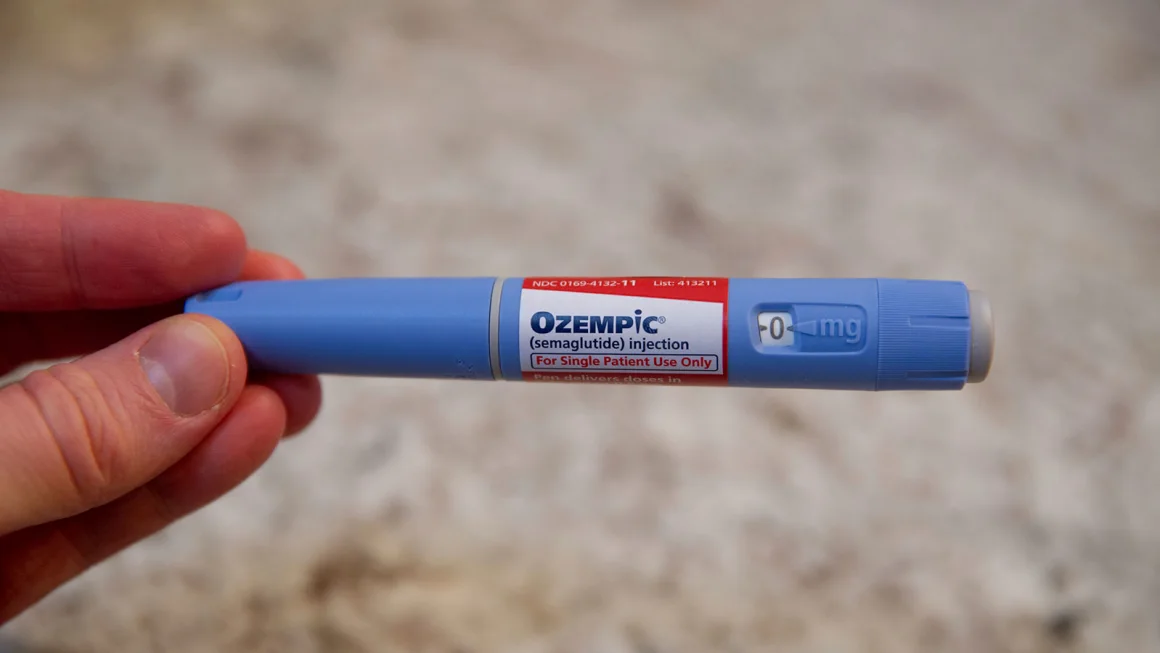
For years, individuals using Ozempic and similar medications for diabetes and weight loss have noticed an unexpected effect: these drugs not only curb appetite but also seem to reduce alcohol consumption for some users.
Now, the first clinical trial—though relatively small and short in duration—has provided scientific confirmation.
A study involving 48 individuals with moderate alcohol-use disorder found that those taking low doses of semaglutide, the active ingredient in Ozempic, for nine weeks experienced a significant reduction in both alcohol consumption and cravings compared to those on a placebo. The findings were published in JAMA Psychiatry.
These results support previous real-world observations and animal studies suggesting that GLP-1 receptor agonists, such as Ozempic, could help lower excessive alcohol intake. If confirmed through larger and longer trials, these medications may offer a new approach to treating alcohol-use disorder (AUD).
“We hoped to see a reduction in drinking and cravings,” said Dr. Christian Hendershot, lead author of the study and director of clinical research at the USC Institute for Addiction Science. “What surprised me was the magnitude of the effects—it appears to be quite significant compared to existing AUD medications.”
Alcohol-use disorder affects nearly 30 million people in the U.S., according to the 2023 National Survey on Drug Use and Health. Despite the availability of three FDA-approved medications for AUD, fewer than 2% of affected individuals receive treatment, often due to lack of awareness or stigma.
Experts caution that further research is needed, especially on individuals with severe AUD. Larger clinical trials could also help uncover the precise mechanisms by which semaglutide reduces alcohol consumption.
The study, funded by the National Institute on Alcohol Abuse and Alcoholism, was conducted at the University of North Carolina-Chapel Hill. Participants, who were not actively seeking treatment, had a history of heavy drinking. They were divided into two groups: one receiving weekly low-dose semaglutide injections and the other a placebo.
A key feature of the trial involved a simulated living room setting, where participants were offered their preferred alcoholic beverage while being monitored. After nine weeks, those on semaglutide drank about 40% less alcohol than those on the placebo. They also reported fewer cravings, fewer drinks per day, and fewer episodes of heavy drinking.
“This is one of the first randomized, controlled trials to provide evidence that people may drink less while taking this medication,” said Dr. Daniel Drucker, a professor of medicine at the University of Toronto.
However, questions remain. Some experts suggest that common side effects of GLP-1 drugs—such as nausea and gastrointestinal discomfort—could contribute to reduced alcohol intake. Additionally, the study group differed from typical AUD patients, as participants had higher body weight and a greater proportion of women than usual.
While semaglutide did not affect how often participants drank, it did influence how much they consumed when they did drink. This aligns with a broader shift in AUD treatment, which now emphasizes harm reduction rather than complete abstinence.
More extensive trials are already underway to explore the potential of GLP-1 medications for addiction treatment. While Novo Nordisk and Eli Lilly, the manufacturers of Ozempic and similar drugs, have focused primarily on diabetes, weight loss, and cardiovascular benefits, they are beginning to investigate these medications’ effects on addiction-related behaviors, including alcohol and nicotine use.
If future research confirms these findings, semaglutide and related drugs could represent a breakthrough in treating alcohol-use disorder, providing new hope for millions struggling with excessive drinking.
News You Should See
FEMA and FCC Set Nationwide Emergency Alert System Test for Today
Lisa's 'Always Lalisa' Documentary Set for November 18 YouTube Premium Release
Darius Rucker Documentary Traces His Rise From Rock to Country Music
Hollywood Honors Glenn Close and Ridley Scott at Governors Awards
Toronto Tempo Claim Top Selection in 2027 WNBA Draft Lottery
Detroit Lions Overpower Patriots 35-10 in Munich Behind Jahmyr Gibbs' Outstanding Performance
Latest News
FEMA and the FCC will test America's Emergency Alert System on November 17 at 2:20 p.m. ET. Radio and TV broadcasts will be interrupted briefly.
Lisa's Always Lalisa documentary arrives on YouTube Premium November 18, featuring her solo career, Coachella performances and The White Lotus experience.
The Hulu documentary explores Darius Rucker's journey from Charleston to rock success with Hootie & the Blowfish and his country music career.
Glenn Close and Ridley Scott receive honorary Oscars alongside Floyd Norman, Pamela Koffler and Christine Vachon at Hollywood's Governors Awards.
Toronto Tempo secure the No. 1 pick in the 2027 WNBA Draft, raising expectations around the franchise's rebuilding plans and potential interest in JuJu Watkins.
Detroit Lions defeat New England Patriots 35-10 in Munich as Jahmyr Gibbs records 252 scrimmage yards and two touchdowns.
Minnesota Vikings defeat Green Bay Packers 30-10 as Kirk Cousins throws two touchdowns and the defense delivers eight sacks and four turnovers.
AAA expects 81.5 million Americans to travel for Thanksgiving 2026, with nearly six million flying as transportation costs influence holiday plans.
Nvidia's upcoming earnings report could offer insights into AI chip demand, data center investments and investor confidence amid uncertainty in the technology market.