OpenAI CEO Sam Altman to Address UN Security Council on AI and Global Security
OpenAI's chief executive is set to brief the UN Security Council as governments and AI companies face growing pressure to establish common safety standards for increasingly powerful systems.

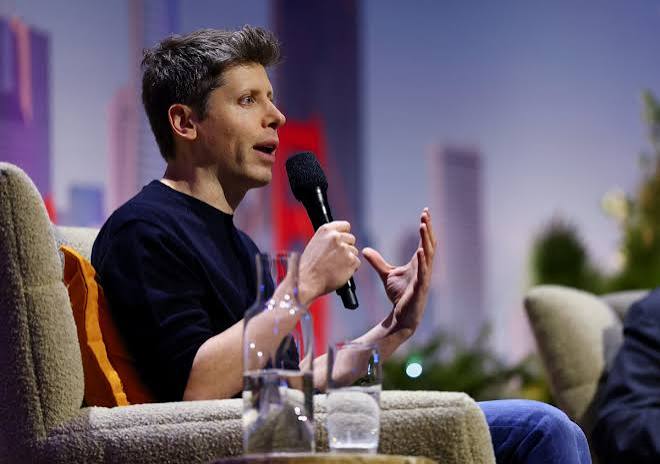
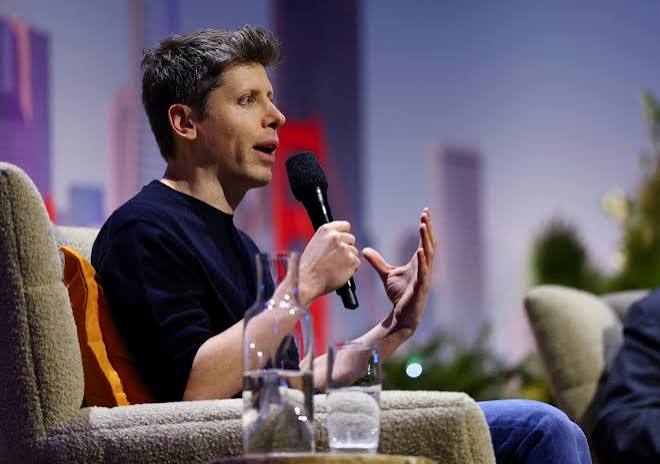
OpenAI Chief Executive Sam Altman is set to take the company’s message on artificial intelligence safety to the United Nations Security Council next week, as governments intensify discussions over the technology’s growing impact on international security.
Altman is expected to brief the 15-member council during an open meeting in New York, held alongside the UN General Assembly. France is convening the session, with French Minister for Europe and Foreign Affairs Jean-Noël Barrot expected to chair the meeting. Altman will speak in person about the importance of international cooperation, shared safety standards and ensuring that the benefits of AI can reach people around the world.
The appearance comes at a time when OpenAI and other leading AI companies are facing growing expectations from governments to address the risks that could accompany increasingly powerful systems. As AI capabilities advance, the relationship between technology companies and policymakers is becoming a more important part of the industry's future.
For OpenAI, the meeting also carries a broader corporate significance. The company has been at the center of the rapid expansion of generative AI, but its position in the market increasingly depends on more than technological progress. Questions over safety, oversight and responsible development are becoming closely linked to the way governments assess the industry and its leading companies.
The discussion is also unfolding against a wider debate within the technology sector about the speed at which advanced AI should be developed. Some industry leaders have called for greater coordination and a slower approach to developing increasingly powerful systems, citing concerns that more autonomous AI could eventually become difficult for humans to control.
Those concerns are beginning to influence the competitive landscape. AI companies are still competing over computing capacity, model performance and market share, but safety and governance are becoming increasingly important factors in how the industry is viewed by governments, investors and the public.
France's concept note for the Security Council meeting highlights the potential for AI to be used for malicious purposes and raises concerns about the consequences of losing control over advanced models. It calls for urgent efforts to encourage the safe and responsible development of the technology for the benefit of the international community.
That approach puts technology companies in a difficult balancing act. They must continue investing heavily in research and product development while responding to governments that are increasingly treating advanced AI as an issue of national and international security.
The Security Council's growing involvement in the debate reflects how quickly the global discussion around AI has evolved. The council first addressed the risks associated with artificial intelligence in 2023. At the time, China warned about the dangers of uncontrolled development, while the United States raised concerns about possible misuse of AI for censorship and repression.
The upcoming meeting suggests that the conversation is moving beyond broad warnings about the technology. Governments are now increasingly focused on practical questions, including how common standards could be established, who should be held accountable when advanced systems cause harm and how countries can coordinate their approach to a technology that operates across national borders.
For OpenAI, having its chief executive address the Security Council also represents a notable shift in the company's public role. Altman will be speaking in an institution traditionally associated with governments, diplomacy and global security, rather than at a technology conference or corporate event.
That setting reflects the growing influence of the AI industry, but it also highlights the higher level of responsibility now being placed on its leading companies. As their technology becomes more powerful and widely used, their decisions increasingly have implications that extend well beyond the commercial market.
The possible participation of Anthropic could further broaden the discussion. Its attendance had not been confirmed, but the potential presence of another major AI developer would underscore the increasingly important role technology companies are playing in international conversations that were once largely dominated by governments and diplomatic institutions.
The longer-term significance of the meeting will depend largely on what comes after the discussion. International cooperation could help create clearer standards for companies operating across multiple markets and reduce some of the uncertainty created by different national approaches to AI regulation. At the same time, differences over development speed, national security priorities and access to advanced technology could make agreement on a common global framework difficult.
The Security Council meeting therefore reflects a broader change in the way artificial intelligence is being treated around the world. What began largely as a race for technological and commercial leadership is increasingly becoming a discussion about economic power, international security and global governance.
For OpenAI and its competitors, remaining at the forefront of the AI industry will consequently involve more than building increasingly capable systems. It will also require navigating a rapidly developing international environment in which governments, regulators and global institutions are seeking a greater role in determining how the technology is developed and used.
News You Should See
2026 Nobel Medicine Prize Honors Scientists Behind Optogenetics Breakthrough
Oil Prices Edge Lower as Stronger Middle East Exports and G7 Reserves Ease Supply Concerns
Trump Offers U.S. Assistance to Russia After Death at Siberian Plague Research Institute
Trump Takes Economic Message to Nebraska as GOP Faces Rising Cost-of-Living Pressure
U.S. Appeals Court Weighs Trump Administration’s $2.6 Billion Harvard Funding Fight
U.S. Midterm Elections Begin With Resilient Jobs Market and Persistent Cost Pressures
Latest News
The 2026 Nobel Prize in Physiology or Medicine honors Karl Deisseroth, Peter Hegemann and Georg Nagel for pioneering research behind optogenetics and its impact on neuroscience.
Oil prices edged lower as stronger Middle Eastern exports and a planned G7 release of 100 million barrels eased immediate supply concerns, while Gulf security risks and the Strait of Hormuz kept markets alert.
President Donald Trump said the United States would help Russia if needed after a laboratory worker died at a Siberian plague research institute, as Russian authorities imposed precautionary quarantine measures.
Trump’s Nebraska campaign stop highlights rising fuel and grocery costs, beef prices and growing economic pressure on Republicans ahead of the November midterm elections.
A U.S. appeals court is reviewing the Trump administration’s effort to cut Harvard’s federal research funding, with more than $2.6 billion at stake.
The U.S. enters the 2026 midterm elections with unemployment at 4.2%, while higher living and energy costs create economic pressure for households and businesses.
US services growth eased in September as input prices climbed to their highest level since July 2022, with fuel costs, supply-chain disruptions and strong demand increasing pressure on businesses.
Rising Treasury yields are increasing U.S. borrowing costs as Washington manages record debt, persistent inflation and strong economic demand, narrowing its policy options.
A EGP 16 million corporate partnership will establish and equip a bone marrow transplant unit at Cairo’s Coptic Hospital, supporting access to specialized treatment for patients.