OPEC+ Holds November Oil Targets Steady as Geopolitical Risks Cloud Market Outlook
The producer alliance is maintaining its November targets as it weighs supply, demand and geopolitical risks that could reshape the global oil market.

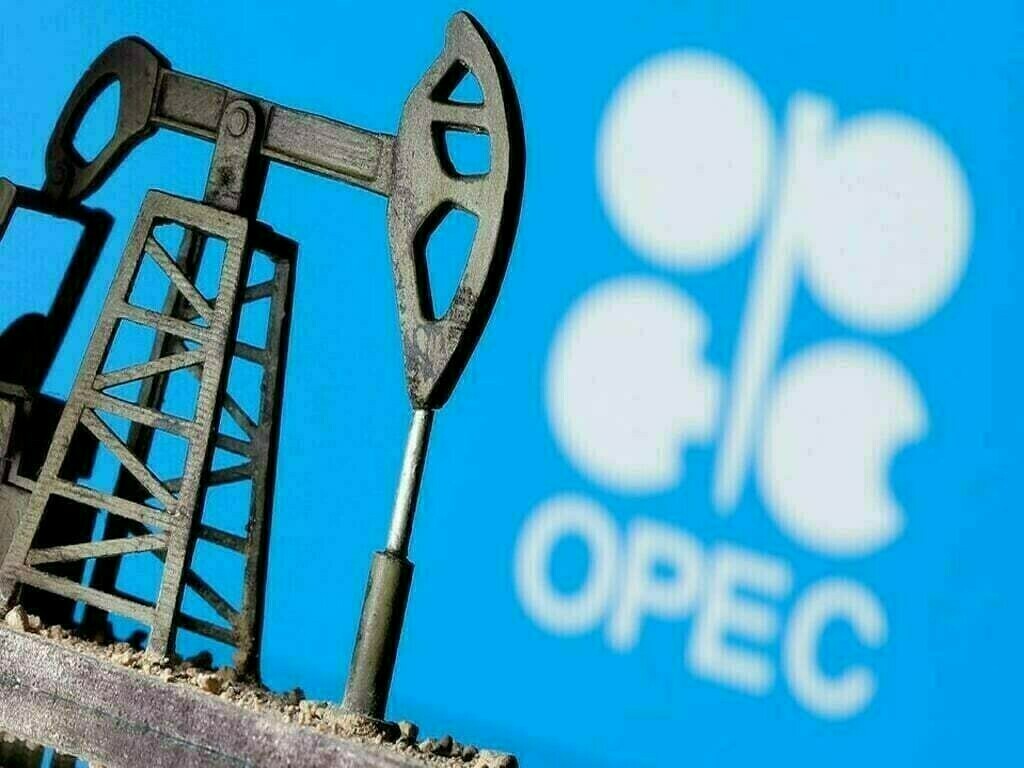
OPEC+ has opted for continuity rather than a production increase in November, reinforcing the alliance’s cautious approach to an oil market facing competing pressures from supply conditions, demand expectations and geopolitical uncertainty.
The decision, reached during the group’s Sunday meeting, keeps the existing November production targets in place for OPEC members and allied producers, including Russia. While the move does not immediately alter the volume of oil targeted for the market, it sends an important signal about the producers’ preference to retain flexibility while conditions remain unsettled.
A key factor behind that caution is the sensitivity of energy markets to developments in the Middle East. Concerns surrounding the Strait of Hormuz have added another layer of uncertainty to the outlook. The waterway is a critical route for global energy shipments, meaning any disruption or escalation in the surrounding region can quickly influence crude prices, transportation costs and expectations across international fuel markets.
For OPEC+, maintaining current targets also provides room to evaluate actual market performance before making another policy adjustment. Production targets do not necessarily translate into identical real-world output, making physical supply levels an important indicator for traders and analysts alongside the group’s official decisions.
The strategy reflects a broader challenge facing the producer alliance. Its members have an interest in protecting market share and generating oil revenues, but a rapid increase in supply could put downward pressure on crude prices if global demand fails to absorb the additional barrels. Holding production steady therefore reduces the immediate risk of creating an oversupplied market.
The implications extend beyond oil companies and financial markets. In the United States, sustained changes in crude prices can eventually influence gasoline and diesel costs, while businesses across transportation, manufacturing and other fuel-dependent industries face corresponding changes in operating expenses.
The next phase of the market will depend heavily on three variables: the pace of global demand growth, actual oil production and the trajectory of geopolitical tensions. A significant shift in any of these areas could force OPEC+ to reconsider its current position.
For energy markets, the November decision is therefore less about a dramatic policy change and more about preserving strategic flexibility. By keeping targets unchanged, OPEC+ is effectively buying time to assess whether current market conditions justify maintaining, increasing or potentially adjusting production in the months ahead.
News You Should See
2026 Nobel Medicine Prize Honors Scientists Behind Optogenetics Breakthrough
Oil Prices Edge Lower as Stronger Middle East Exports and G7 Reserves Ease Supply Concerns
Trump Offers U.S. Assistance to Russia After Death at Siberian Plague Research Institute
Trump Takes Economic Message to Nebraska as GOP Faces Rising Cost-of-Living Pressure
U.S. Appeals Court Weighs Trump Administration’s $2.6 Billion Harvard Funding Fight
U.S. Midterm Elections Begin With Resilient Jobs Market and Persistent Cost Pressures
Latest News
The 2026 Nobel Prize in Physiology or Medicine honors Karl Deisseroth, Peter Hegemann and Georg Nagel for pioneering research behind optogenetics and its impact on neuroscience.
Oil prices edged lower as stronger Middle Eastern exports and a planned G7 release of 100 million barrels eased immediate supply concerns, while Gulf security risks and the Strait of Hormuz kept markets alert.
President Donald Trump said the United States would help Russia if needed after a laboratory worker died at a Siberian plague research institute, as Russian authorities imposed precautionary quarantine measures.
Trump’s Nebraska campaign stop highlights rising fuel and grocery costs, beef prices and growing economic pressure on Republicans ahead of the November midterm elections.
A U.S. appeals court is reviewing the Trump administration’s effort to cut Harvard’s federal research funding, with more than $2.6 billion at stake.
The U.S. enters the 2026 midterm elections with unemployment at 4.2%, while higher living and energy costs create economic pressure for households and businesses.
US services growth eased in September as input prices climbed to their highest level since July 2022, with fuel costs, supply-chain disruptions and strong demand increasing pressure on businesses.
Rising Treasury yields are increasing U.S. borrowing costs as Washington manages record debt, persistent inflation and strong economic demand, narrowing its policy options.
A EGP 16 million corporate partnership will establish and equip a bone marrow transplant unit at Cairo’s Coptic Hospital, supporting access to specialized treatment for patients.