Oil Prices Edge Lower as Stronger Middle East Exports and G7 Reserves Ease Supply Concerns
Stronger Middle Eastern crude flows and a planned G7 release of emergency reserves are easing immediate supply concerns, although Gulf security risks and uncertainty around Hormuz continue to threaten energy markets.

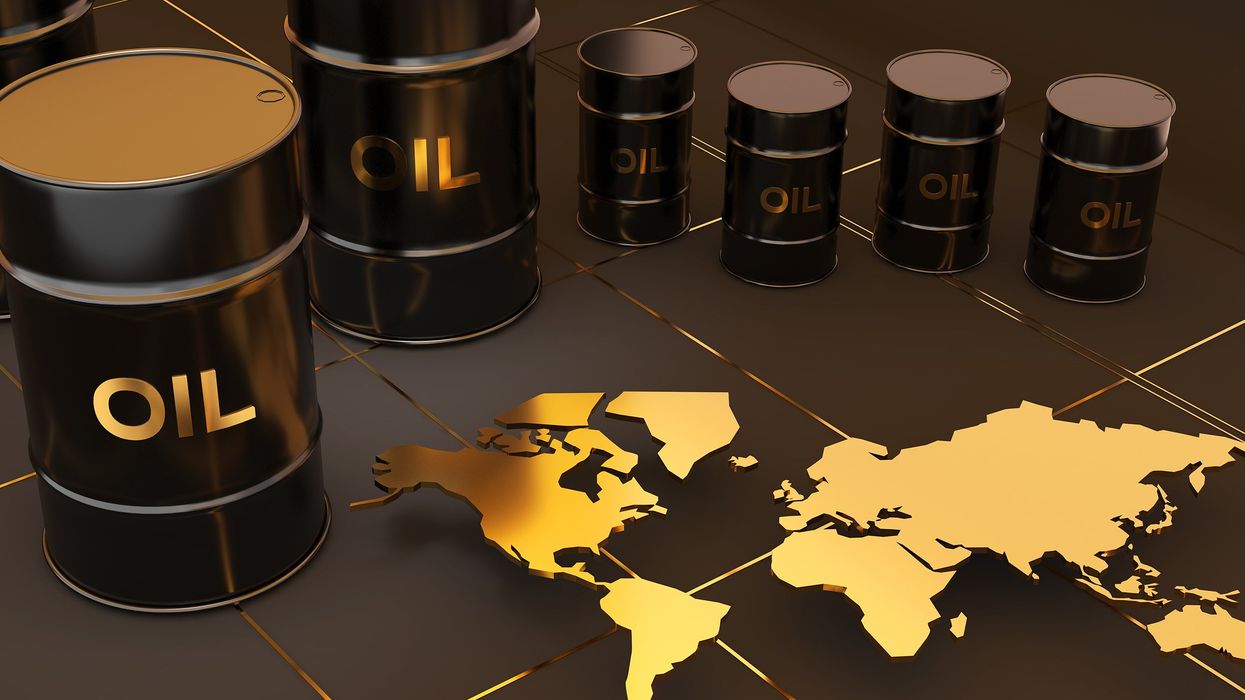
Oil markets entered Tuesday with a modest decline as evidence of resilient Middle Eastern exports and a planned drawdown of emergency reserves by the Group of Seven reduced some of the immediate pressure on global supply.
Brent crude futures slipped 4 cents to $100.28 a barrel by 0003 GMT, while U.S. West Texas Intermediate fell 11 cents, or around 0.1%, to $89.33. The limited price movement reflects a market attempting to balance improved physical supply conditions against a geopolitical environment that remains capable of producing sudden disruptions.
Recent shipping data offered one of the clearest signs of resilience in regional oil flows. Middle Eastern crude exports were above pre-war levels on four days during the final week of September, suggesting that producers and exporters have so far maintained substantial volumes despite heightened security concerns affecting regional shipping.
The G7 reserve decision adds another layer of protection against a potential supply shock. Member countries agreed to release 100 million barrels of crude and diesel from emergency stocks while committing to avoid energy export restrictions. From a market perspective, the decision is designed to increase confidence that governments have additional supply available should geopolitical disruptions intensify.
That assurance is particularly important because the risks surrounding Gulf energy infrastructure and shipping routes have not disappeared. Yemen's Houthi movement reported attacks against several targets in Saudi Arabia, including sites in Riyadh and an oil refinery in Rabigh. Saudi authorities had not immediately confirmed the reported strikes, leaving the market to assess both the credibility and potential consequences of the claims.
The Strait of Hormuz remains another critical variable. Any meaningful disruption in the waterway could have consequences well beyond the countries directly involved because of its importance to international oil transportation. As a result, developments around the stalled U.S.-Iran diplomatic process are being monitored alongside physical shipping data and production levels.
The current price movement therefore reflects more than a simple increase or decrease in crude availability. Traders are effectively weighing two competing forces: stronger-than-expected regional exports and additional emergency reserves on one side, and the possibility of a geopolitical escalation that could rapidly alter transportation and supply conditions on the other.
For energy-intensive economies and businesses, the distinction is significant. A sustained improvement in supply flows could reduce some of the inflationary pressure created by elevated crude prices. Conversely, a major disruption involving Gulf infrastructure or shipping could quickly reverse that trend, raising fuel, transportation and industrial costs.
For now, the market appears to be treating the G7 reserve release and resilient exports as a meaningful buffer rather than a permanent solution. The direction of oil prices in the coming period will depend heavily on whether regional supply continues to move normally and whether geopolitical tensions remain contained. The combination leaves energy markets somewhat less exposed in the immediate term, but still highly sensitive to developments across the Gulf.
News You Should See
2026 Nobel Medicine Prize Honors Scientists Behind Optogenetics Breakthrough
Oil Prices Edge Lower as Stronger Middle East Exports and G7 Reserves Ease Supply Concerns
Trump Offers U.S. Assistance to Russia After Death at Siberian Plague Research Institute
Trump Takes Economic Message to Nebraska as GOP Faces Rising Cost-of-Living Pressure
U.S. Appeals Court Weighs Trump Administration’s $2.6 Billion Harvard Funding Fight
U.S. Midterm Elections Begin With Resilient Jobs Market and Persistent Cost Pressures
Latest News
The 2026 Nobel Prize in Physiology or Medicine honors Karl Deisseroth, Peter Hegemann and Georg Nagel for pioneering research behind optogenetics and its impact on neuroscience.
Oil prices edged lower as stronger Middle Eastern exports and a planned G7 release of 100 million barrels eased immediate supply concerns, while Gulf security risks and the Strait of Hormuz kept markets alert.
President Donald Trump said the United States would help Russia if needed after a laboratory worker died at a Siberian plague research institute, as Russian authorities imposed precautionary quarantine measures.
Trump’s Nebraska campaign stop highlights rising fuel and grocery costs, beef prices and growing economic pressure on Republicans ahead of the November midterm elections.
A U.S. appeals court is reviewing the Trump administration’s effort to cut Harvard’s federal research funding, with more than $2.6 billion at stake.
The U.S. enters the 2026 midterm elections with unemployment at 4.2%, while higher living and energy costs create economic pressure for households and businesses.
US services growth eased in September as input prices climbed to their highest level since July 2022, with fuel costs, supply-chain disruptions and strong demand increasing pressure on businesses.
Rising Treasury yields are increasing U.S. borrowing costs as Washington manages record debt, persistent inflation and strong economic demand, narrowing its policy options.
A EGP 16 million corporate partnership will establish and equip a bone marrow transplant unit at Cairo’s Coptic Hospital, supporting access to specialized treatment for patients.