NZ Overhauls 'Broken' NCEA High School System Amid Global Competitiveness Concerns
After years of criticism, New Zealand is replacing its flexible NCEA qualification with a more rigorous, exam-focused system to restore international credibility and student performance.

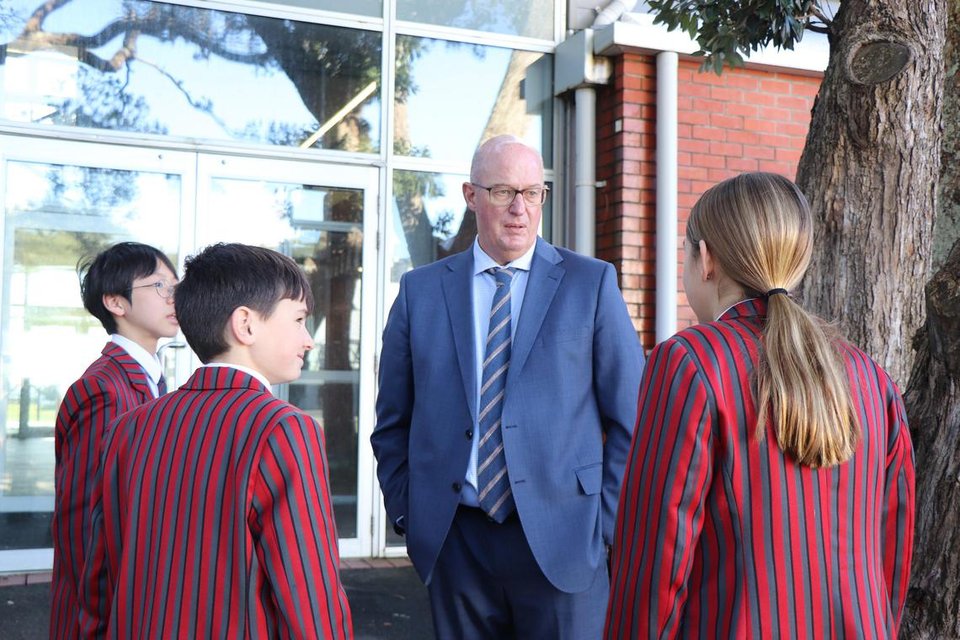
WELLINGTON – New Zealand is set to scrap its longstanding NCEA high school qualification after mounting criticism over falling standards, grade inflation, and global irrelevance. Education Minister Erica Stanford and Prime Minister Christopher Luxon announced sweeping reforms earlier this month, signaling a fundamental shift in how students will be assessed and prepared for life beyond school.
🔥 "Disastrous, Terrible, Useless" – Expert Slams NCEA
Dr Jamie Beaton, co-founder of Crimson Education and holder of 11 degrees from top global universities, didn’t hold back in his criticism.
In an interview with The Straits Times, he called the National Certificate of Educational Achievement (NCEA) “fairly worthless” on the world stage. He blamed grade inflation and over-reliance on internal assessments for making school “easy” and putting Kiwi students at a disadvantage.
“It’s no surprise top New Zealand schools opt for Cambridge A-Levels or the **International Baccalaureate (IB),” said Dr Beaton. He called for a return to “robust, standardized exams” to help students become globally competitive.
📉 Why the Shake-Up?
NCEA, in place since 2002, was designed to be flexible and inclusive, catering to both academic and vocational paths. But critics say its credit-based system encourages students to “credit shop” — selecting the easiest assessments to pass.
The government’s new model, now under consultation, will:
Replace NCEA for Years 11–13 (ages 15–18)
Require students to take five core subjects per year
Introduce a national grading scale from A to E (0–100%)
Focus primarily on external exams in the senior years
Begin rollout from 2028 to 2030, with a new curriculum from 2026
Minister Stanford said she was shocked that students could earn credits for things like part-time jobs or filling out forms. “The new system aims to bring back academic rigour,” she said.
📊 The Decline: Test Scores and Achievement Levels Falling
Recent data shows why urgency was needed:
New Zealand’s PISA results (2023) revealed the worst-ever performance, including a 15-point drop in maths.
Only 55.5% of school-leavers in 2024 had earned an NCEA Level 3 qualification (equivalent to A-Levels).
Global rankings placed NZ 23rd in maths, compared to Singapore’s #1 spot in all major subjects.
✅ Support from Schools, Universities, and Employers
Scots College headmaster Graeme Yule welcomed the changes:
“I like that we’ll finally be able to compare students properly. There’s now some competitiveness in the system.”
Universities New Zealand and the Employers and Manufacturers Association (EMA) also backed the reforms, citing lack of work-readiness and poor foundational skills among graduates.
❗ Pushback: Fears of a One-Size-Fits-All System
Not everyone is on board. Wellington High School principal Dominic Killalea called the changes a return to a “factory model” of education that could alienate learners who succeed under the current system.
He defended internal assessments for encouraging depth of understanding and flexible pathways.
Student Jordan Turner, 17, agreed:
“NCEA might be easier, but it lets me balance school and life. I don’t think it’s broken.”
Parents like Bai Ling, a mother of two, raised concerns about teacher readiness and the lack of detail in the proposed curriculum.
“How can teachers deliver effectively without clear guidelines?”
Chris Abercrombie, president of the Post Primary Teachers’ Association, echoed these fears. He said teachers are already stretched, and the government must offer proper support and stability if reforms are to succeed.
🗳️ What’s Next?
The reforms are currently open to public feedback until mid-September. Implementation will begin in 2026, affecting Year 9 students, and continue through to 2030.
However, with elections looming and political uncertainty ahead, some worry the changes may never fully materialize.
“There’s no guarantee this government will be in power by 2030,” warned Yule. “Parents are anxious, and many may shift toward IB or A-levels out of caution.”
🎓 Final Word
As New Zealand takes bold steps to reform its education system, the country is wrestling with a key question: Can academic rigour be restored without sacrificing flexibility and equity?
News You Should See
P&G Raises Fiscal 2027 Cost Warning as Oil and Freight Expenses Threaten Profits
Chemical Tank Leak in Toledo Triggers Evacuations and Industrial Disruptions
Judge Sets December 11 Deadline for Trump Deposition in BBC Defamation Case
Iowa Senate Race Tests How Far Republicans Can Separate Themselves From Trump
California State Workers Strike Over Pay, Healthcare and Return-to-Office Rules
Streaming’s October Showdown: How Disney, Netflix and Major Entertainment Brands Compete for Audiences
Latest News
Procter & Gamble expects commodity, energy and transportation costs to reduce fiscal 2027 profit by $1.4 billion. Quarterly sales rose 4% to $23.28 billion, beating analyst expectations.
A ruptured chemical tank in Toledo, Ohio, prompted evacuations, school closures and an industrial shutdown. Authorities have reduced the restricted zone as the release slows and cleanup preparations continue.
A federal judge has ordered Donald Trump to give a deposition by December 11, 2026, in his $10 billion lawsuit against the BBC, with possible sanctions for noncompliance as the discovery deadline approaches.
Iowa’s 2026 Senate race pits Republican Ashley Hinson, balancing Trump support with economic concerns, against Democrat Josh Turek, who emphasizes bipartisanship amid rising campaign spending.
Thousands of California state workers struck on October 21 over a proposed three-year pay increase, healthcare costs and a four-day office attendance requirement as contract negotiations continued.
October 2026 brings major entertainment releases across Disney+, Netflix, HBO Max, Hulu, Prime Video and Peacock. Explore how familiar franchises, exclusive programming, new music and video games shape competition for streaming audiences.
Saudia advises travelers to book flights through Al Qassim Airport for Riyadh connections, offering free hourly shuttle buses in both directions until further notice.
An AP-NORC poll shows Democratic confidence in accurate vote counting falling to 55%, while Republican confidence rises to 38%, highlighting election integrity concerns ahead of the 2026 US midterms.
Donald Trump campaigns in North Carolina ahead of the November 2026 midterms as low approval ratings, rising fuel costs, Democratic early-voting gains and funding disparities challenge Republican efforts to retain control of Congress.