NYC Council Committee on Contracts Holds Oversight Hearing on Timely Payments to Nonprofits
Lawmakers and city officials reviewed reforms to contract registration, invoice processing, and payment timelines to protect essential nonprofit services across NYC.

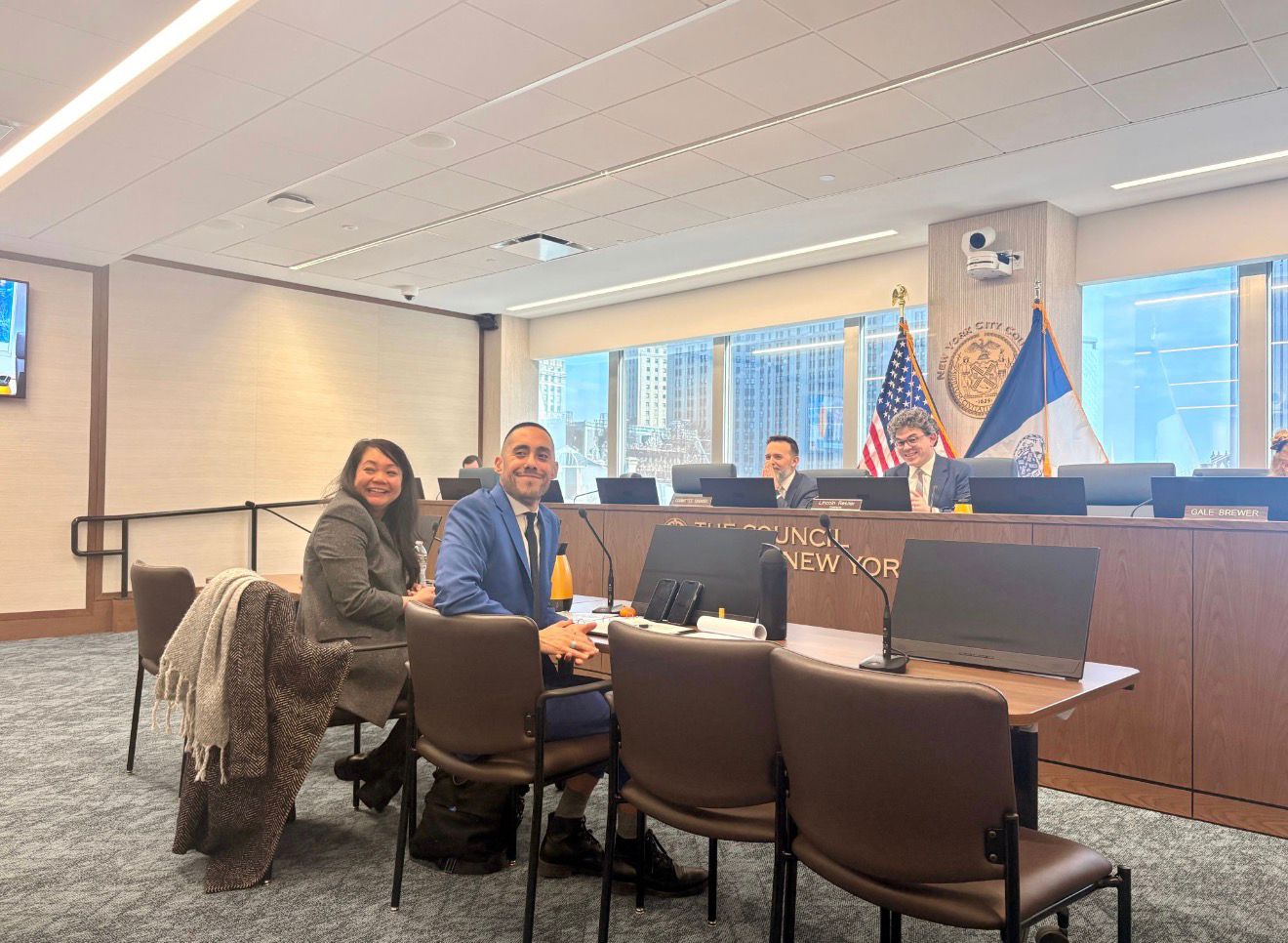
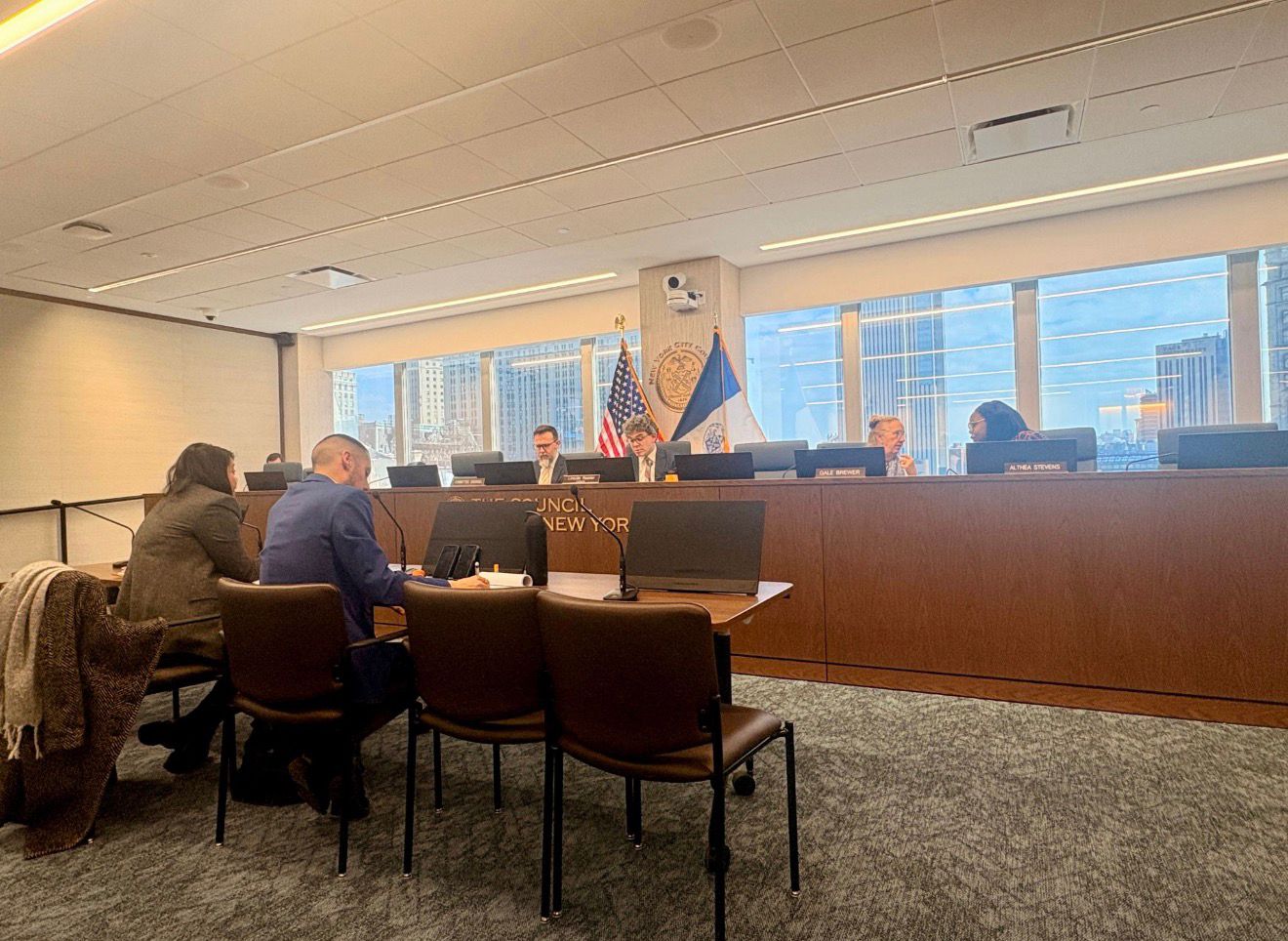
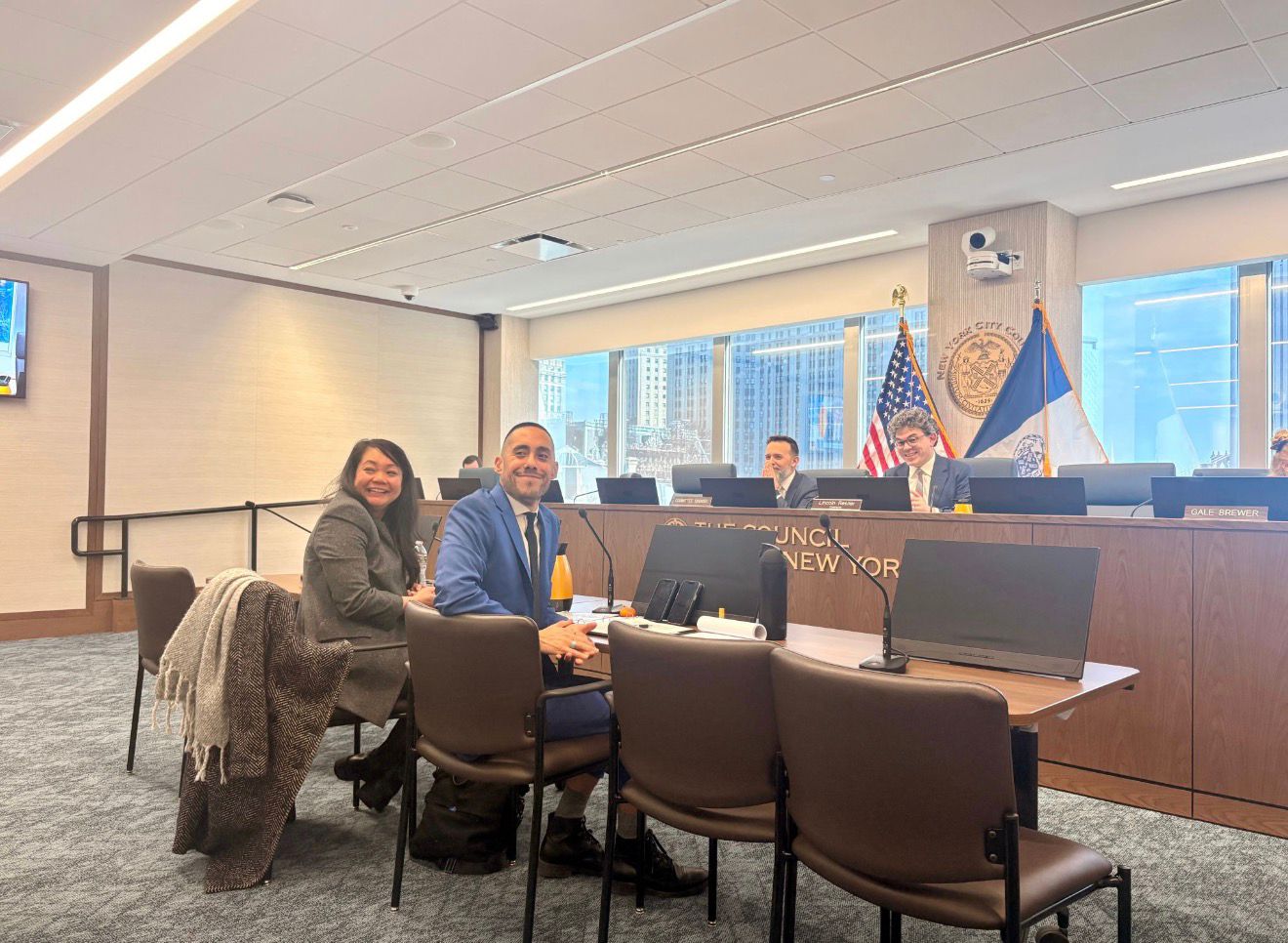
New York, NY – February 25, 2026 — The New York City Council Committee on Contracts convened today for an important Oversight Hearing titled “Ensuring Timely Payments for Nonprofits and Human Service Providers,” underscoring the City’s continued focus on strengthening fiscal accountability and improving contract payment systems.
During the hearing, Executive Director Michael Sedillo and Director Kim Yu of the NYC Mayor’s Office of Contract Services (MOCS) delivered testimony and responded to questions from Committee Chair Lincoln Restler, Council Member Gale A. Brewer, and Council Member Althea Stevens.
The session examined current challenges and reforms related to contract registration, invoice processing, and payment timelines affecting nonprofit organizations and human service providers throughout New York City. These organizations play a critical role in delivering essential services — including housing assistance, youth development programs, food security initiatives, mental health support, and other community-based services — to vulnerable populations across the five boroughs.
The hearing was also attended by the City’s Chief Nonprofit Officers and numerous nonprofit leaders who provided testimony, offering insight into the operational and financial impact of delayed payments on frontline service delivery.
Council members emphasized that ensuring timely payments is fundamental to maintaining service continuity, protecting nonprofit workforce stability, and upholding the City’s commitments to community-based providers.
The oversight hearing reflects the City Council’s ongoing efforts to enhance transparency, efficiency, and accountability within New York City’s contracting processes.
News You Should See
P&G Raises Fiscal 2027 Cost Warning as Oil and Freight Expenses Threaten Profits
Chemical Tank Leak in Toledo Triggers Evacuations and Industrial Disruptions
Judge Sets December 11 Deadline for Trump Deposition in BBC Defamation Case
Iowa Senate Race Tests How Far Republicans Can Separate Themselves From Trump
California State Workers Strike Over Pay, Healthcare and Return-to-Office Rules
Streaming’s October Showdown: How Disney, Netflix and Major Entertainment Brands Compete for Audiences
Latest News
Procter & Gamble expects commodity, energy and transportation costs to reduce fiscal 2027 profit by $1.4 billion. Quarterly sales rose 4% to $23.28 billion, beating analyst expectations.
A ruptured chemical tank in Toledo, Ohio, prompted evacuations, school closures and an industrial shutdown. Authorities have reduced the restricted zone as the release slows and cleanup preparations continue.
A federal judge has ordered Donald Trump to give a deposition by December 11, 2026, in his $10 billion lawsuit against the BBC, with possible sanctions for noncompliance as the discovery deadline approaches.
Iowa’s 2026 Senate race pits Republican Ashley Hinson, balancing Trump support with economic concerns, against Democrat Josh Turek, who emphasizes bipartisanship amid rising campaign spending.
Thousands of California state workers struck on October 21 over a proposed three-year pay increase, healthcare costs and a four-day office attendance requirement as contract negotiations continued.
October 2026 brings major entertainment releases across Disney+, Netflix, HBO Max, Hulu, Prime Video and Peacock. Explore how familiar franchises, exclusive programming, new music and video games shape competition for streaming audiences.
Saudia advises travelers to book flights through Al Qassim Airport for Riyadh connections, offering free hourly shuttle buses in both directions until further notice.
An AP-NORC poll shows Democratic confidence in accurate vote counting falling to 55%, while Republican confidence rises to 38%, highlighting election integrity concerns ahead of the 2026 US midterms.
Donald Trump campaigns in North Carolina ahead of the November 2026 midterms as low approval ratings, rising fuel costs, Democratic early-voting gains and funding disparities challenge Republican efforts to retain control of Congress.