Nvidia Faces $5.5 Billion Blow Amid Escalating US-China AI Trade War
As Trump ramps up AI export restrictions, Nvidia is hit hard with a major financial loss and mounting uncertainty over its future in China.

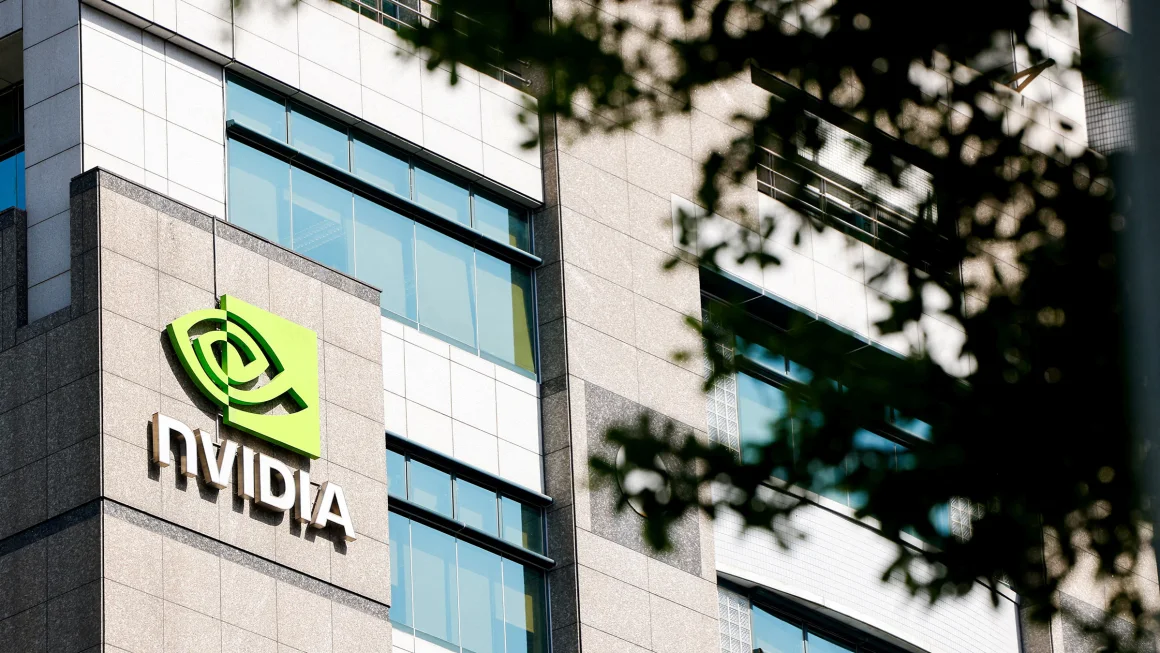
Nvidia, the world’s leading designer of AI chips, has confirmed it will take a $5.5 billion financial hit following the latest round of US export restrictions targeting its H20 AI chip shipments to China. The move comes as part of an intensifying trade war between the United States and China, one now centered on technological supremacy in artificial intelligence.
On Tuesday, the company disclosed the financial damage in a regulatory filing, revealing the charge will be reflected in its first-quarter earnings on May 28. The charges relate to inventory, purchase commitments, and related reserves for the now-restricted H20 product line, which was originally designed to comply with earlier export rules.
From Compliance to Crisis
The H20 was Nvidia’s workaround for previous restrictions. It offered reduced computing power compared to the company’s flagship H100 chips, which were already banned for Chinese customers. But under newly announced rules, even this toned-down version now requires a special export license, putting a major dent in Nvidia’s plans for the Chinese market—which accounted for 13% of the company’s revenue last year.
Jay Hatfield, CEO of Infrastructure Capital Advisors, said the policy shift has created dangerous unpredictability for American tech companies:
“Nvidia specifically designed the H20 to comply with US exports restrictions… now the rules change and they lost $5 billion.”
AI Arms Race Intensifies
Much of the new urgency stems from China’s AI acceleration, particularly the DeepSeek R1 model, a ChatGPT-style reasoning system trained using Nvidia’s H20 chips. Its emergence shocked the global AI community and proved that advanced models can be built using less powerful hardware—raising alarms in Washington about the technology’s potential military applications.
In response, the US Commerce Department has imposed indefinite licensing requirements not just on Nvidia’s H20 but also on AMD’s MI308 chips and similar technologies. A spokesperson stated the measures are part of efforts to “safeguard national and economic security.”
Wall Street Reacts, Global Markets Shudder
Nvidia’s stock fell 6.87% on Wednesday, while broader market concerns grew. The World Trade Organization warned that the trade conflict could significantly undermine global economic growth, forecasting a 0.6 percentage point drop in GDP growth globally, and 1.6 points in North America.
Analysts from Morgan Stanley noted that while restrictions on H20 were expected, their abrupt implementation shocked the market. Wedbush Securities called it a “strategic blow” to Nvidia’s long-term plans in China.
Looking Ahead: More Restrictions Possible
With President Donald Trump enforcing a strict AI export framework and continuing to impose steep tariffs, industry leaders are bracing for more restrictions. Dan Ives, head of tech research at Wedbush, warned:
“This is not a shock… we’re in the middle of a trade war, and expect more punches thrown by both sides.”
The Biden administration had previously extended export restrictions to include chipmaking tools, high-bandwidth memory, and even foreign-made products containing American IP. Now, a new global licensing framework is being phased in, potentially affecting even third-party countries who trade with China.
Tech Giants Push Back
Nvidia, long critical of US policy shifts, reiterated its concerns through VP of Government Affairs, Ned Finkle, who warned that continued restrictions could “derail innovation and economic growth worldwide.” He emphasized that AI's global adoption is essential for shared economic prosperity, and that export curbs threaten to isolate US companies.
Meanwhile, China is investing heavily in domestic chip alternatives, with Huawei and Cambroon making strides—though analysts believe Nvidia maintains a performance edge due to its mature software and manufacturing ecosystem.
Conclusion
As AI continues to redefine global power structures, Nvidia finds itself at the epicenter of a high-stakes geopolitical chess game. With billions lost, global supply chains disrupted, and innovation hanging in the balance, the outcome of this tech war will likely shape the future of artificial intelligence—and the global economy—for years to come.
News You Should See
P&G Raises Fiscal 2027 Cost Warning as Oil and Freight Expenses Threaten Profits
Chemical Tank Leak in Toledo Triggers Evacuations and Industrial Disruptions
Judge Sets December 11 Deadline for Trump Deposition in BBC Defamation Case
Iowa Senate Race Tests How Far Republicans Can Separate Themselves From Trump
California State Workers Strike Over Pay, Healthcare and Return-to-Office Rules
Streaming’s October Showdown: How Disney, Netflix and Major Entertainment Brands Compete for Audiences
Latest News
Procter & Gamble expects commodity, energy and transportation costs to reduce fiscal 2027 profit by $1.4 billion. Quarterly sales rose 4% to $23.28 billion, beating analyst expectations.
A ruptured chemical tank in Toledo, Ohio, prompted evacuations, school closures and an industrial shutdown. Authorities have reduced the restricted zone as the release slows and cleanup preparations continue.
A federal judge has ordered Donald Trump to give a deposition by December 11, 2026, in his $10 billion lawsuit against the BBC, with possible sanctions for noncompliance as the discovery deadline approaches.
Iowa’s 2026 Senate race pits Republican Ashley Hinson, balancing Trump support with economic concerns, against Democrat Josh Turek, who emphasizes bipartisanship amid rising campaign spending.
Thousands of California state workers struck on October 21 over a proposed three-year pay increase, healthcare costs and a four-day office attendance requirement as contract negotiations continued.
October 2026 brings major entertainment releases across Disney+, Netflix, HBO Max, Hulu, Prime Video and Peacock. Explore how familiar franchises, exclusive programming, new music and video games shape competition for streaming audiences.
Saudia advises travelers to book flights through Al Qassim Airport for Riyadh connections, offering free hourly shuttle buses in both directions until further notice.
An AP-NORC poll shows Democratic confidence in accurate vote counting falling to 55%, while Republican confidence rises to 38%, highlighting election integrity concerns ahead of the 2026 US midterms.
Donald Trump campaigns in North Carolina ahead of the November 2026 midterms as low approval ratings, rising fuel costs, Democratic early-voting gains and funding disparities challenge Republican efforts to retain control of Congress.