Norway's Arctic Frontier Offers One of Europe's Most Extraordinary Road Journeys
Beyond Norway's famous fjords, the Varanger Scenic Route showcases Arctic ecosystems, historic fishing communities, wartime heritage, and a growing model for sustainable tourism.

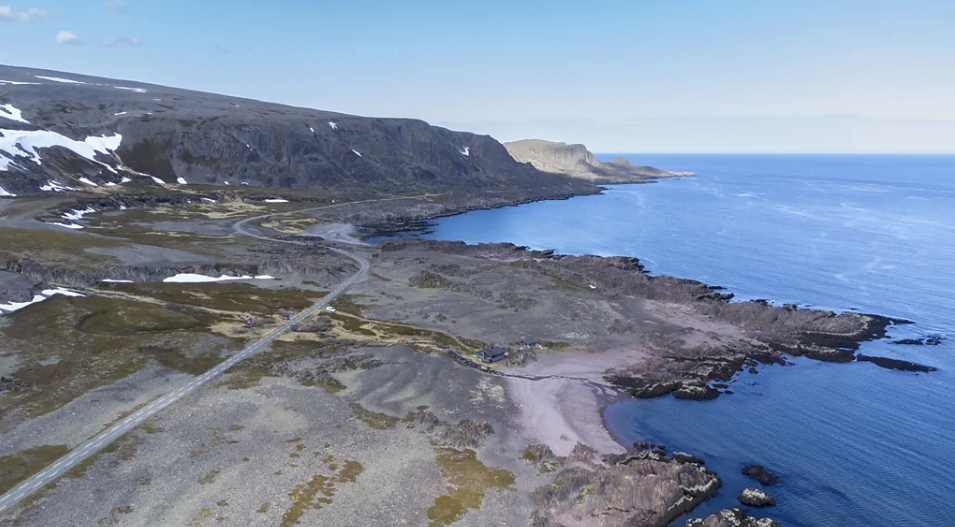
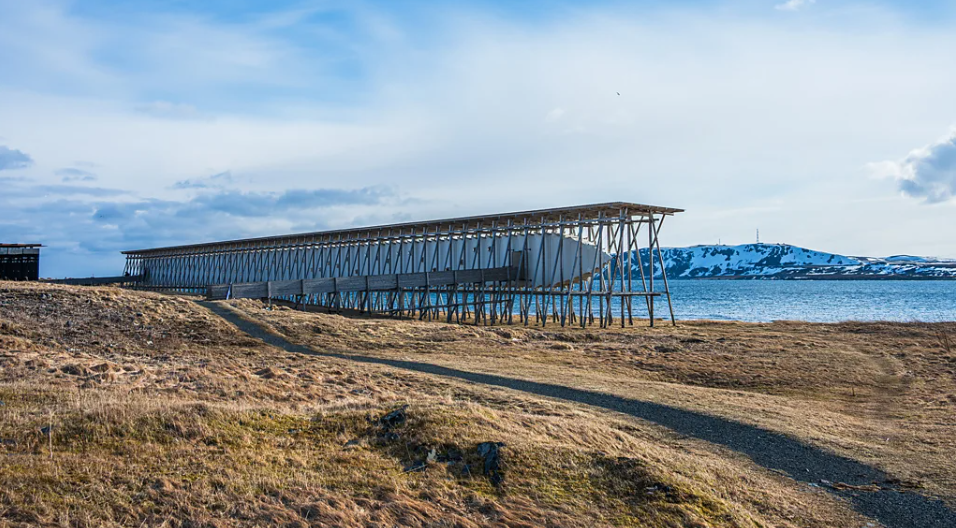
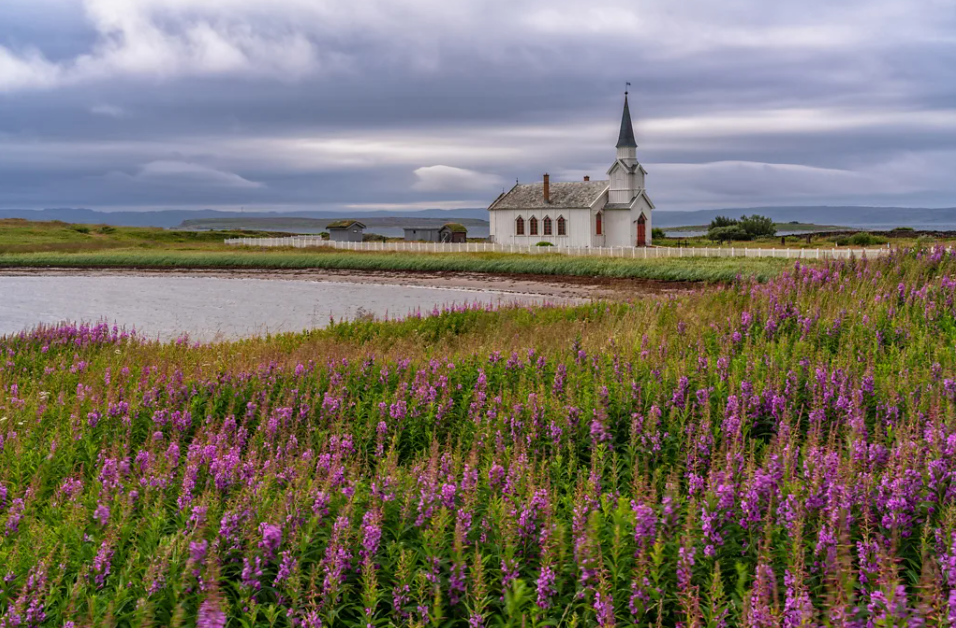
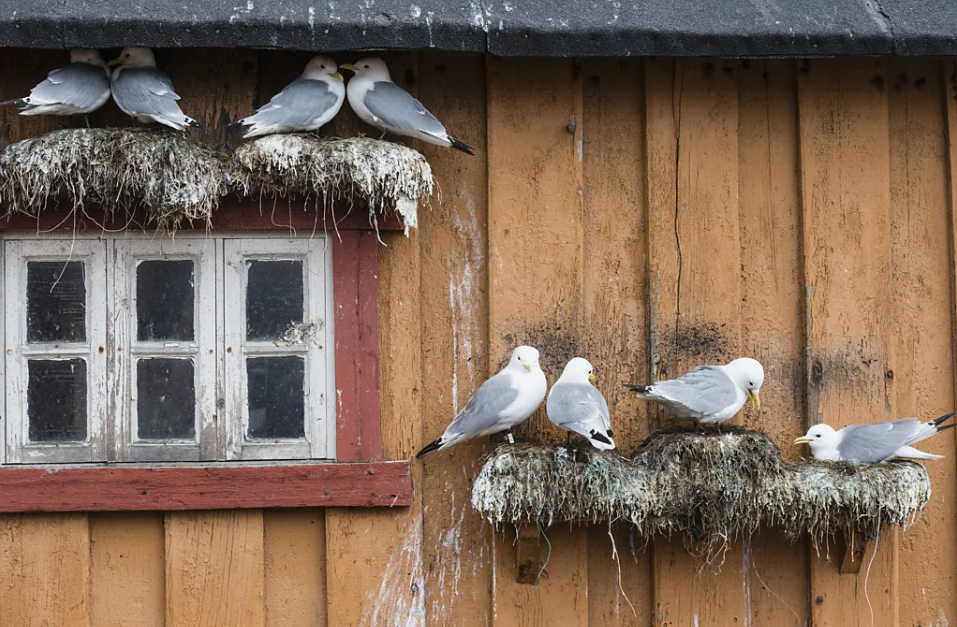
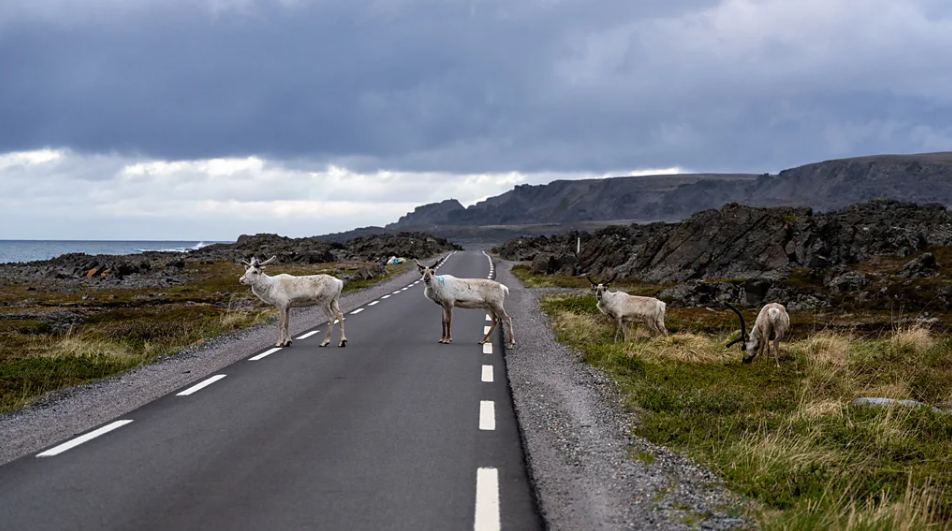
Norway has long promoted its western fjords as the country's signature tourism experience, yet the nation's northeastern frontier is increasingly attracting travelers seeking landscapes unlike anywhere else in mainland Europe. Stretching toward the Arctic coast, the Varanger Scenic Route presents a different image of Norway—one defined by open tundra, dramatic shorelines, resilient coastal communities, and an environment shaped by extreme climate.
Beginning near Tana Bru, the route follows the E75 highway along Varangerfjord before reaching the island town of Vardø. Unlike southern Norway, forests gradually disappear, giving way to treeless Arctic plains that offer scientists and visitors a rare opportunity to experience one of mainland Europe's largest true Arctic ecosystems.
The journey combines natural scenery with living cultural history. Small fishing villages continue to preserve traditions built around cod fishing and coastal livelihoods, while colorful wooden houses, historic churches, and traditional drying racks reflect generations of adaptation to demanding northern conditions.
The route also carries significant historical importance. Several communities along the coastline experienced severe destruction during the final stages of the Second World War, yet important landmarks survived and continue to symbolize local resilience. In Vardø, visitors encounter memorials that preserve stories connected to Norway's seventeenth-century witch trials, transforming difficult historical events into educational and cultural attractions.
Wildlife represents another defining feature of the region. Birdwatchers travel from around the world to observe Arctic seabirds and seasonal migratory species, while the surrounding coastline offers opportunities to experience untouched marine ecosystems rarely found elsewhere in Europe.
Environmental research has also strengthened the area's international profile. Scientists studying Arctic ecology identify this region as one of the few locations in mainland Europe where conditions meet ecological definitions of the true Arctic, making it an important destination for climate and biodiversity research.
From an economic perspective, the route demonstrates how sustainable tourism can support remote communities. Visitor spending benefits hotels, restaurants, local guides, transport providers, museums, and family-owned businesses while encouraging investment in conservation and public infrastructure.
Norway has also positioned the Varanger Scenic Route within its broader National Scenic Routes program, combining carefully designed viewpoints, modern architecture, cultural interpretation, and environmental preservation. This integrated planning strengthens the country's tourism brand by emphasizing quality experiences rather than mass tourism.
The destination increasingly appeals to travelers searching for authentic experiences beyond traditional sightseeing. Long summer daylight, Arctic wildlife, quiet roads, dramatic weather, and distinctive cultural heritage create a tourism product that differs significantly from conventional European road trips.
As global demand grows for sustainable and experience-driven tourism, Norway's Arctic frontier demonstrates how careful destination management can transform remote landscapes into internationally recognized travel brands while preserving ecological integrity and local identity.
News You Should See
P&G Raises Fiscal 2027 Cost Warning as Oil and Freight Expenses Threaten Profits
Chemical Tank Leak in Toledo Triggers Evacuations and Industrial Disruptions
Judge Sets December 11 Deadline for Trump Deposition in BBC Defamation Case
Iowa Senate Race Tests How Far Republicans Can Separate Themselves From Trump
California State Workers Strike Over Pay, Healthcare and Return-to-Office Rules
Streaming’s October Showdown: How Disney, Netflix and Major Entertainment Brands Compete for Audiences
Latest News
Procter & Gamble expects commodity, energy and transportation costs to reduce fiscal 2027 profit by $1.4 billion. Quarterly sales rose 4% to $23.28 billion, beating analyst expectations.
A ruptured chemical tank in Toledo, Ohio, prompted evacuations, school closures and an industrial shutdown. Authorities have reduced the restricted zone as the release slows and cleanup preparations continue.
A federal judge has ordered Donald Trump to give a deposition by December 11, 2026, in his $10 billion lawsuit against the BBC, with possible sanctions for noncompliance as the discovery deadline approaches.
Iowa’s 2026 Senate race pits Republican Ashley Hinson, balancing Trump support with economic concerns, against Democrat Josh Turek, who emphasizes bipartisanship amid rising campaign spending.
Thousands of California state workers struck on October 21 over a proposed three-year pay increase, healthcare costs and a four-day office attendance requirement as contract negotiations continued.
October 2026 brings major entertainment releases across Disney+, Netflix, HBO Max, Hulu, Prime Video and Peacock. Explore how familiar franchises, exclusive programming, new music and video games shape competition for streaming audiences.
Saudia advises travelers to book flights through Al Qassim Airport for Riyadh connections, offering free hourly shuttle buses in both directions until further notice.
An AP-NORC poll shows Democratic confidence in accurate vote counting falling to 55%, while Republican confidence rises to 38%, highlighting election integrity concerns ahead of the 2026 US midterms.
Donald Trump campaigns in North Carolina ahead of the November 2026 midterms as low approval ratings, rising fuel costs, Democratic early-voting gains and funding disparities challenge Republican efforts to retain control of Congress.