Newly Identified Wild Cat Species Puts Bolivia’s Cloud Forest in the Spotlight
A newly classified wild cat is attracting scientific attention and visitors while highlighting the biodiversity of Bolivia’s protected forests.

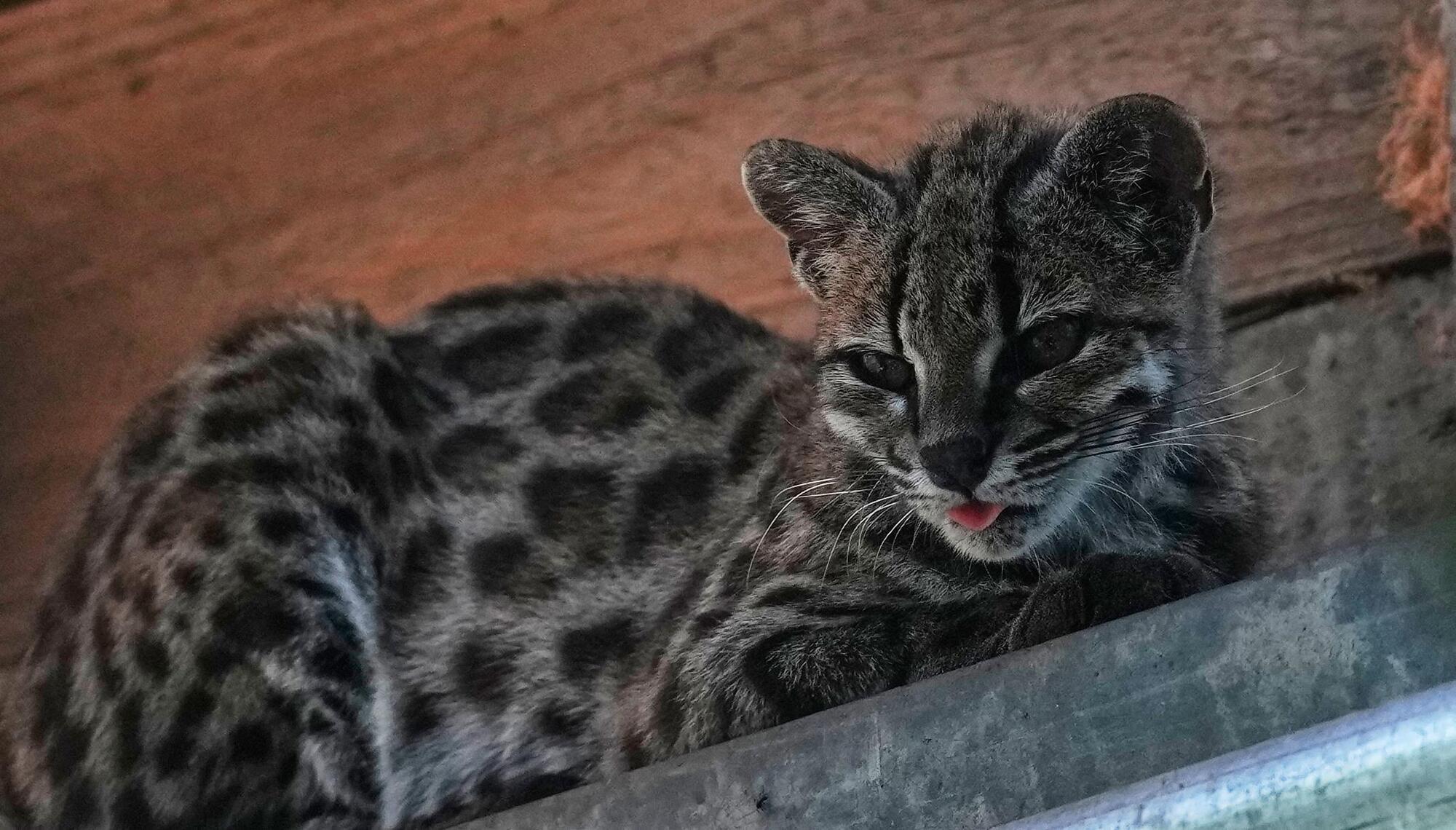
A small wild cat identified as a distinct species in Bolivia is bringing renewed attention to the country’s cloud forests, demonstrating how significant biodiversity can remain poorly understood even within environments that have been observed for years.
The animal was identified at a wildlife sanctuary located in Bolivia’s cloud-forest region. Although the cat had already been known to people familiar with the sanctuary, its scientific classification had not previously been fully established. The research surrounding its identification has now placed the animal and its habitat under greater scientific and public attention.
The discovery is significant because recognizing a species is more than simply giving a previously known animal a new name. Establishing its distinct scientific status can provide researchers with a clearer basis for studying its population, distribution, ecological role and conservation requirements.
Small wild mammals are particularly challenging subjects for biodiversity research. Their limited visibility, behavior and dependence on specific habitats can make them difficult to monitor, meaning that animals can remain scientifically overlooked even when they exist in areas regularly visited by people.
Bolivia’s cloud forests provide an important setting for this type of research. These ecosystems support diverse plant and animal life, while their complex terrain and environmental conditions can make comprehensive wildlife surveys difficult. The identification of another distinct species adds to the scientific value of protecting such habitats.
The discovery is also producing a tourism effect. Visitors to the sanctuary have shown growing interest in seeing the newly identified animal, giving the scientific finding an additional connection to wildlife tourism. That attention can help raise public awareness of biodiversity, although responsible tourism remains important to avoid disturbing the species or its habitat.
For conservation programs, the case illustrates the relationship between scientific documentation and habitat protection. Researchers need reliable information about where a species lives and how it interacts with its environment before effective long-term conservation measures can be developed.
Further study is expected to clarify the animal’s distribution and ecological role. Questions about its population, habitat requirements and relationship with surrounding ecosystems remain important for understanding what protection it may require.
The discovery also reinforces the scientific value of protected areas. Wildlife sanctuaries can serve not only as places where visitors encounter nature, but also as practical research environments where species can be observed and documented.
In that sense, the newly identified wild cat represents more than a rare wildlife attraction. Its discovery highlights the continuing potential for scientific findings in South America’s forests and shows how conservation, research and responsible tourism can intersect around the protection of biodiversity.
News You Should See
2026 Nobel Medicine Prize Honors Scientists Behind Optogenetics Breakthrough
Oil Prices Edge Lower as Stronger Middle East Exports and G7 Reserves Ease Supply Concerns
Trump Offers U.S. Assistance to Russia After Death at Siberian Plague Research Institute
Trump Takes Economic Message to Nebraska as GOP Faces Rising Cost-of-Living Pressure
U.S. Appeals Court Weighs Trump Administration’s $2.6 Billion Harvard Funding Fight
U.S. Midterm Elections Begin With Resilient Jobs Market and Persistent Cost Pressures
Latest News
The 2026 Nobel Prize in Physiology or Medicine honors Karl Deisseroth, Peter Hegemann and Georg Nagel for pioneering research behind optogenetics and its impact on neuroscience.
Oil prices edged lower as stronger Middle Eastern exports and a planned G7 release of 100 million barrels eased immediate supply concerns, while Gulf security risks and the Strait of Hormuz kept markets alert.
President Donald Trump said the United States would help Russia if needed after a laboratory worker died at a Siberian plague research institute, as Russian authorities imposed precautionary quarantine measures.
Trump’s Nebraska campaign stop highlights rising fuel and grocery costs, beef prices and growing economic pressure on Republicans ahead of the November midterm elections.
A U.S. appeals court is reviewing the Trump administration’s effort to cut Harvard’s federal research funding, with more than $2.6 billion at stake.
The U.S. enters the 2026 midterm elections with unemployment at 4.2%, while higher living and energy costs create economic pressure for households and businesses.
US services growth eased in September as input prices climbed to their highest level since July 2022, with fuel costs, supply-chain disruptions and strong demand increasing pressure on businesses.
Rising Treasury yields are increasing U.S. borrowing costs as Washington manages record debt, persistent inflation and strong economic demand, narrowing its policy options.
A EGP 16 million corporate partnership will establish and equip a bone marrow transplant unit at Cairo’s Coptic Hospital, supporting access to specialized treatment for patients.