New State Voting Rules Complicate Election Preparations Ahead of 2026 Midterms
Republican-led states have revised voter identification, registration and mail-ballot procedures ahead of the November 2026 midterm elections, raising questions about implementation, voter access and election administration.

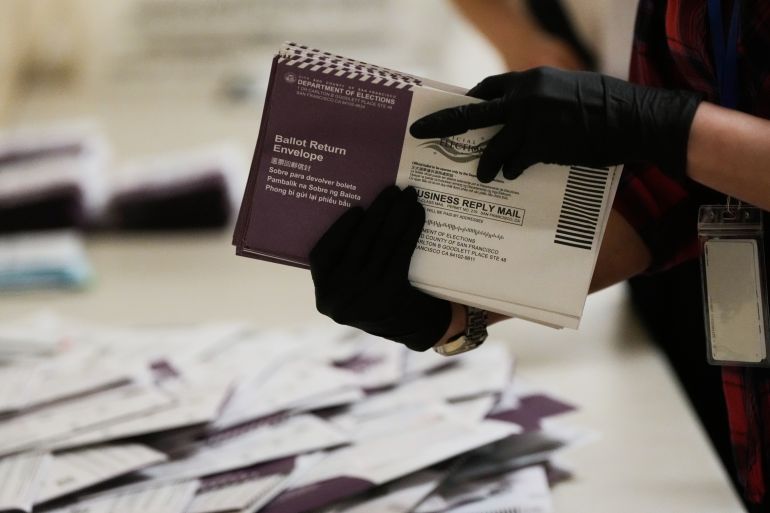
Changes to election rules across several Republican-led US states are adding a new layer of complexity to preparations for the November 2026 midterm elections, placing voter access, administrative capacity and the consistent application of election law at the center of a wider political debate.
The measures vary from state to state, covering voter identification, registration procedures and requirements for mail-in ballots. New Hampshire, for example, has stopped accepting student identification cards for voting, while Utah has introduced additional information requirements for mail-ballot envelopes. Although these changes address different aspects of the voting process, they share a common consequence: voters and election administrators must adapt to updated procedures before Election Day.
The debate reflects a longstanding tension in American election policy. Supporters of stricter requirements argue that identity verification and clearly defined procedures can strengthen safeguards, improve compliance with election law and reinforce public confidence in the integrity of the process. From this perspective, consistent verification standards are an important part of ensuring that elections are conducted according to established rules.
Voting-rights advocates and civil liberties organizations, however, warn that additional requirements can create practical barriers for eligible voters. People who lack accepted identification, have limited access to administrative services or are unfamiliar with revised ballot procedures may face greater difficulties completing the voting process. The extent of any impact will depend on the precise wording of each state's rules and how effectively election officials communicate and implement them.
For local election offices, the changes bring an immediate operational challenge. Administrators must update public guidance, ensure staff understand the revised requirements and process ballots in accordance with state law. Mail voting adds another layer of responsibility because envelope information, submission procedures and eligibility checks can affect whether ballots are accepted. Clear instructions and consistent decision-making will therefore be essential to reducing avoidable errors and confusion.
The issue also highlights the importance of public communication in election administration. Even when a new rule is legally clear, voters may struggle to comply if information is difficult to find, inconsistent across official channels or released too close to the election. Accessible guidance, timely updates and well-prepared election staff can help eligible voters understand their obligations while allowing officials to enforce the law.
With the midterms approaching, implementation is likely to matter as much as the policies themselves. Differences in administrative capacity, local practices and voter awareness could produce uneven experiences across communities, even when state requirements are formally identical. Legal disputes may also emerge over how specific provisions are interpreted or whether their practical effects are consistent with applicable legal protections.
The broader significance extends beyond individual identification documents or mail-ballot envelopes. Election procedures influence how confidently the public engages with democratic institutions, while disputes over access and verification can become part of the wider political contest surrounding the midterms. The credibility of the process will depend not only on the rules states adopt but also on whether those rules are applied transparently, consistently and in accordance with the law.
As November draws closer, the central challenge for state and local authorities will be to balance verification safeguards with meaningful access to the ballot. The effectiveness of the new measures will ultimately be judged by their implementation, the clarity of public information and the ability of eligible voters to navigate the process without unnecessary obstacles.
News You Should See
Egyptian Healthcare Leader Dr. Hossam Abdel Maksoud Honored by The New York Foundling
U.S. Producer Prices Surge as Fuel Costs Intensify Inflation Concerns
IMF Calls for Stronger China Stimulus as Growth Slows and Deflation Risks Persist
AI Infrastructure Investment Faces Rising Costs and Greater Investor Scrutiny
Brewers Move Within One Win of World Series as Dodgers Face Elimination
Trump Takes Midterm Campaign to Arizona and Montana as Republicans Face Tougher Races
Latest News
Dr. Hossam Abdel Maksoud, founder of Dawah Pharma and CEO of Community Care Rx, receives recognition from The New York Foundling for his contributions to healthcare access and community service.
U.S. producer prices rose 1.3% in September and 6.3% year over year as gasoline and diesel costs surged, complicating the inflation outlook and Federal Reserve rate expectations.
The IMF urges China to expand fiscal stimulus, strengthen household demand and address its prolonged property crisis as growth is forecast to slow to 4.5% in 2026 and 4.0% in 2027.
Rising borrowing costs and investor caution are reshaping AI infrastructure investment, putting data center debt, project economics and long-term returns under closer scrutiny.
The Milwaukee Brewers beat the Los Angeles Dodgers 6-2 to take a 3-0 NLCS lead. Jake Bauers, Garrett Mitchell and Jackson Chourio powered Milwaukee to the brink of its first World Series appearance since 1982.
Trump campaigned in Arizona and Montana for Republicans as Democrats promoted affordability, healthcare and congressional oversight ahead of the 2026 midterms.
Trump campaigns for Alaska Sen. Dan Sullivan as Democrat Mary Peltola mounts a challenge ahead of the November 3 midterms, with inflation and fuel prices shaping the race.
Aberdeen police urge Heritage Square residents to check for missing valuables after superintendent Nicholas Brent’s arrest. The investigation continues, and the allegations remain unproven.
The Law Offices of Marc S. Albert announced six personal injury and medical malpractice settlements totaling $7.446 million, including cases involving a hospital respiratory emergency, vehicle crashes, a fall and a bicyclist.