Neanderthals Ran a “Fat Factory” in Stone Age Germany, Study Finds
New evidence from Neumark-Nord shows Neanderthals systematically rendered bone grease to meet vital dietary needs — challenging the myth of the “dumb caveman.”

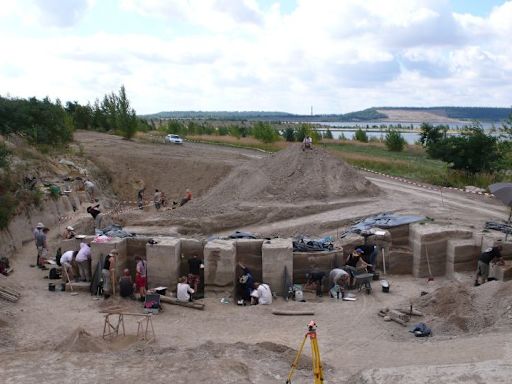
HALLE, GERMANY – Archaeologists have uncovered compelling evidence that Neanderthals living in what is now Germany ran a prehistoric “fat factory” — systematically boiling animal bones to extract every calorie of grease essential for survival.
At the Neumark-Nord site, located near Halle, scientists analyzed over 120,000 bone fragments and 16,000 flint tools alongside signs of fire use. Their research, published in Science Advances, suggests Neanderthals smashed large bones to access marrow, then boiled them for hours to skim off the fat — a critical non-protein energy source in their diet.
“This attitude that Neanderthals were dumb — this is another data point that proves otherwise,” said study coauthor Wil Roebroeks, a professor of Paleolithic archaeology at Leiden University.
Over a 300-year period, Neanderthals at the site selected long bones from large animals like horses, deer, and extinct aurochs to extract maximum fat. Researchers believe the fat was rendered in containers possibly made of birch bark, animal skins, or stomach linings, suspended over fire.
This strategy reflects a deep understanding of nutrition. Too much lean meat and too little fat can cause protein poisoning, a potentially deadly form of malnutrition known to early Arctic explorers as “rabbit starvation.” To avoid this, Neanderthals had to source additional calories from fat, and bones were a key solution.
“These weren’t simple hunter-gatherers just getting by day to day — they were master planners who could look ahead, organise complex tasks, and squeeze every last calorie from their environment,” said study coauthor Geoff Smith, a zooarchaeologist at the University of Reading.
The researchers also found charred remains of hazelnuts, acorns, and sloe plums, hinting that the fat may have been consumed as a nutritious broth, flavored with foraged plants.
Experts not involved in the study praised the findings. Archaeologist Ludovic Slimak called it “clear archaeological confirmation” that Neanderthals developed refined strategies for fat extraction. Anthropologist Bruce Hardy hailed it as the “smoldering gun — or simmering bone broth — of Neanderthal bone-grease rendering.”
News You Should See
Five Tama County Towns Launch Joint Downtown Revitalization Initiative
Columbus North Students Present Shakespeare’s As You Like It This Weekend
Northeast Ohio Students Rally for Hearing Care Through Charity Volleyball Event
Evanston Arts Council Celebrates Local Talent at Annual Bright Night Event
NBA Cup Group Stage Features High-Stakes Knicks-Pacers and Cavaliers-Heat Showdowns
New Jersey Devils Overcome Capitals With Three-Goal Third-Period Surge
Latest News
Five Tama County communities begin a downtown assessment program focused on storefront upgrades, pedestrian accessibility, and local economic growth.
Columbus North High School drama students stage William Shakespeare’s As You Like It at Judson Erne Auditorium in a weekend theatrical production.
Youngstown State students host the annual Hits for Hearing volleyball fundraiser, supporting access to hearing aids and auditory care across the Mahoning Valley.
Evanston Arts Council celebrates local artists, performers and cultural grant recipients at its annual Bright Night for the Arts event.
The NBA Cup group stage continues November 13 with Knicks-Pacers and Cavaliers-Heat leading a nine-game schedule across the league.
New Jersey Devils defeat Washington Capitals 5-2 after scoring three unanswered third-period goals to secure their 14th NHL win of the season.
Healthcare investments in Asia and the Middle East are transforming hospital rankings through advanced technology, medical tourism and expanded specialist services.
Look-alike contests inspired by Elizabeth Holmes are spreading across American cities, combining entertainment, viral marketing and growing interest in the documentary about the Theranos founder.
A University of Virginia mouse study identifies CASS4's role in brain immune cells and its potential importance in limiting Alzheimer's-related damage.