Nairobi Makes History as World Athletics Chooses Africa for 2029 Championships
World Athletics selects Nairobi for 2029 and Munich for 2031, reshaping the global map of major athletics events

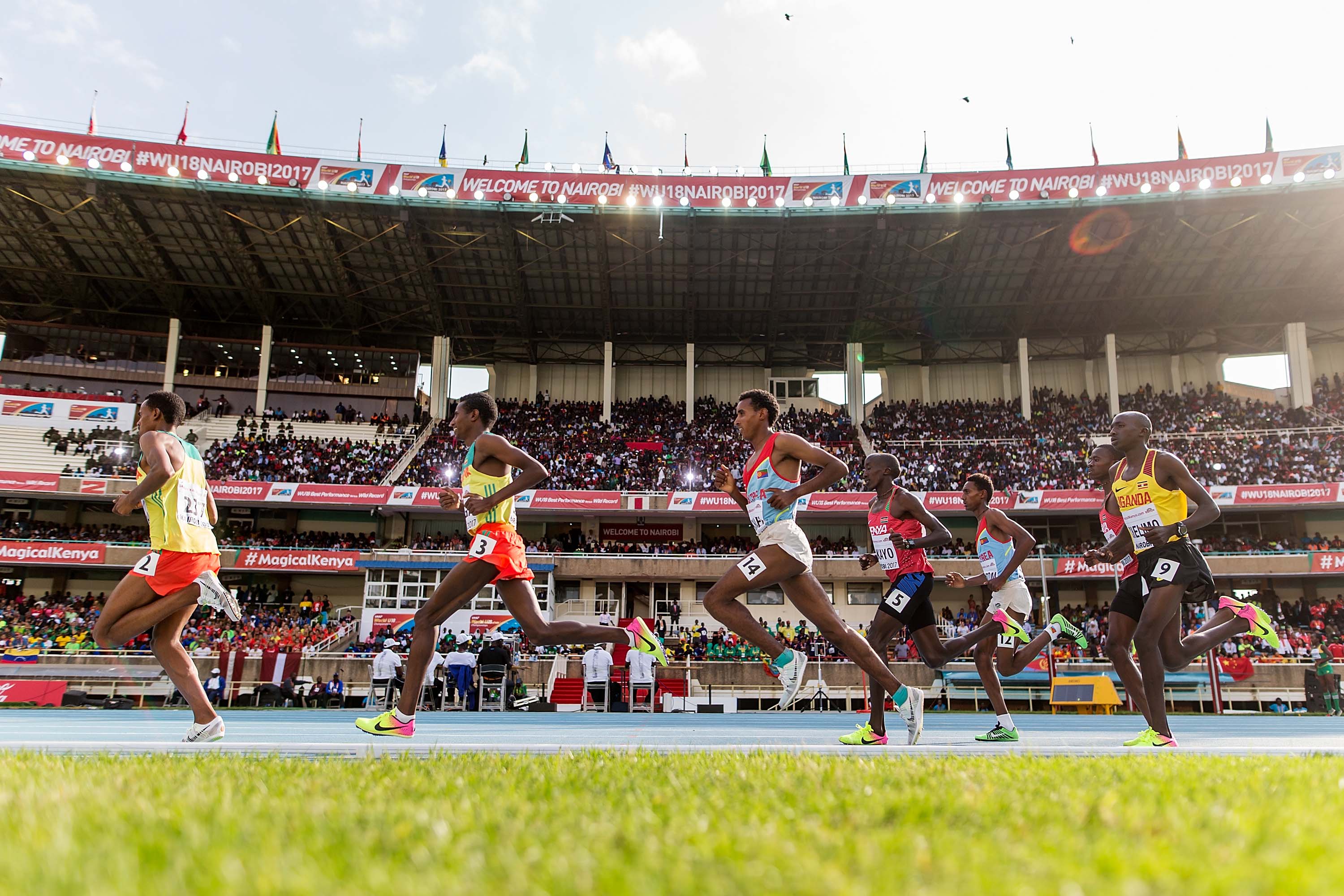
Nairobi’s selection to host the 2029 World Athletics Championships represents more than a change of venue. It signals a broader shift in the commercial and geographic strategy of global athletics, giving Africa its first opportunity to stage the sport’s flagship championship.
World Athletics President Sebastian Coe announced the decision in Budapest, confirming Nairobi as the winner of the 2029 contest and Munich as host of the 2031 edition. The championships will continue to be held in September, positioning both events as the climax of the athletics season.
For Nairobi, the decision carries substantial institutional value. Kenya already occupies a powerful position in the identity of global athletics, with a long list of internationally recognised champions including Faith Kipyegon, Eliud Kipchoge, Hellen Obiri, David Rudisha and other figures who have helped define the sport. Bringing the world championships to the Kenyan capital therefore connects the event with one of athletics’ most influential talent-producing markets.
The commercial significance is equally important. Nairobi is a fast-growing metropolitan centre and an economic, cultural and political hub for East Africa. Hosting a global championship can strengthen the city’s international profile, create opportunities for tourism and hospitality, and give local businesses greater exposure to an international audience. It also provides World Athletics with a chance to deepen its relationship with African fans and markets rather than concentrating the sport’s biggest events in established European destinations.
The Nairobi decision also carries a strategic message about how major sporting events are evaluated. Sebastian Coe described the Kenyan proposal as compelling and emphasised that bringing the championships to Africa was historic. His comments suggest that the decision was not based solely on conventional hosting credentials, but also on the wider opportunity to expand the sport’s geographical reach.
London’s defeat, meanwhile, illustrates the growing complexity of staging major sporting events in mature markets. The British capital had a strong recent record, having hosted the championships in 2017 and built a global reputation through the 2012 Olympics and major athletics meetings. Its 2029 proposal was widely regarded as competitive and had been supported by public authorities and the British athletics establishment.
Yet the London campaign faced practical complications. The prolonged dispute over access to London Stadium involving West Ham created uncertainty around the proposed September schedule. Although an agreement was eventually reached, the episode highlighted the difficulty of coordinating a global athletics championship with the commercial and sporting priorities of a major football club.
Attendance concerns surrounding the European Championships in Birmingham also became part of the wider context. While those figures did not necessarily determine the London result, they underlined a critical challenge for established host markets: major-event infrastructure alone does not guarantee strong audience engagement. Pricing, scheduling, marketing and the broader local sporting environment all influence the commercial value of a championship.
The outcome therefore gives World Athletics two contrasting strategic platforms. Nairobi offers geographic expansion, a strong athletics culture and the opportunity to establish a new African benchmark for major international competition. Munich, meanwhile, reinforces Germany’s reputation as a dependable host with a proven ability to generate strong attendance and support for athletics.
For the global sport, the 2029 decision could become an important test of whether major championships can expand their commercial footprint while strengthening their connection with emerging audiences. If Nairobi succeeds in delivering a financially sustainable, well-attended and globally visible event, other African cities may become more credible candidates for future international championships.
The next World Athletics Championships will be held in Beijing from 10 to 19 September 2027. Nairobi in 2029 and Munich in 2031 will then continue the September championship model, giving World Athletics a clear multi-year hosting roadmap while allowing the organisation to test different markets, audiences and commercial environments.
Nairobi’s victory is therefore not simply London’s loss. It is a strategic bet on the future geography of athletics and on the ability of Africa’s sporting market to move from being a major source of athletes and fans to becoming a major host and commercial platform in its own right.
News You Should See
2026 Nobel Medicine Prize Honors Scientists Behind Optogenetics Breakthrough
Oil Prices Edge Lower as Stronger Middle East Exports and G7 Reserves Ease Supply Concerns
Trump Offers U.S. Assistance to Russia After Death at Siberian Plague Research Institute
Trump Takes Economic Message to Nebraska as GOP Faces Rising Cost-of-Living Pressure
U.S. Appeals Court Weighs Trump Administration’s $2.6 Billion Harvard Funding Fight
U.S. Midterm Elections Begin With Resilient Jobs Market and Persistent Cost Pressures
Latest News
The 2026 Nobel Prize in Physiology or Medicine honors Karl Deisseroth, Peter Hegemann and Georg Nagel for pioneering research behind optogenetics and its impact on neuroscience.
Oil prices edged lower as stronger Middle Eastern exports and a planned G7 release of 100 million barrels eased immediate supply concerns, while Gulf security risks and the Strait of Hormuz kept markets alert.
President Donald Trump said the United States would help Russia if needed after a laboratory worker died at a Siberian plague research institute, as Russian authorities imposed precautionary quarantine measures.
Trump’s Nebraska campaign stop highlights rising fuel and grocery costs, beef prices and growing economic pressure on Republicans ahead of the November midterm elections.
A U.S. appeals court is reviewing the Trump administration’s effort to cut Harvard’s federal research funding, with more than $2.6 billion at stake.
The U.S. enters the 2026 midterm elections with unemployment at 4.2%, while higher living and energy costs create economic pressure for households and businesses.
US services growth eased in September as input prices climbed to their highest level since July 2022, with fuel costs, supply-chain disruptions and strong demand increasing pressure on businesses.
Rising Treasury yields are increasing U.S. borrowing costs as Washington manages record debt, persistent inflation and strong economic demand, narrowing its policy options.
A EGP 16 million corporate partnership will establish and equip a bone marrow transplant unit at Cairo’s Coptic Hospital, supporting access to specialized treatment for patients.