Musk Backs Anthropic as $40 Billion Infrastructure Partnership Reshapes AI Competition
Elon Musk signals confidence in Anthropic despite fierce AI competition, highlighting the growing importance of infrastructure partnerships in the next phase of the AI race.

Artificial intelligence competition is increasingly being shaped not only by model performance but also by control of the infrastructure powering those models. The latest exchange between Elon Musk and Anthropic illustrates how strategic partnerships are becoming just as important as technological breakthroughs in determining leadership across the AI industry.
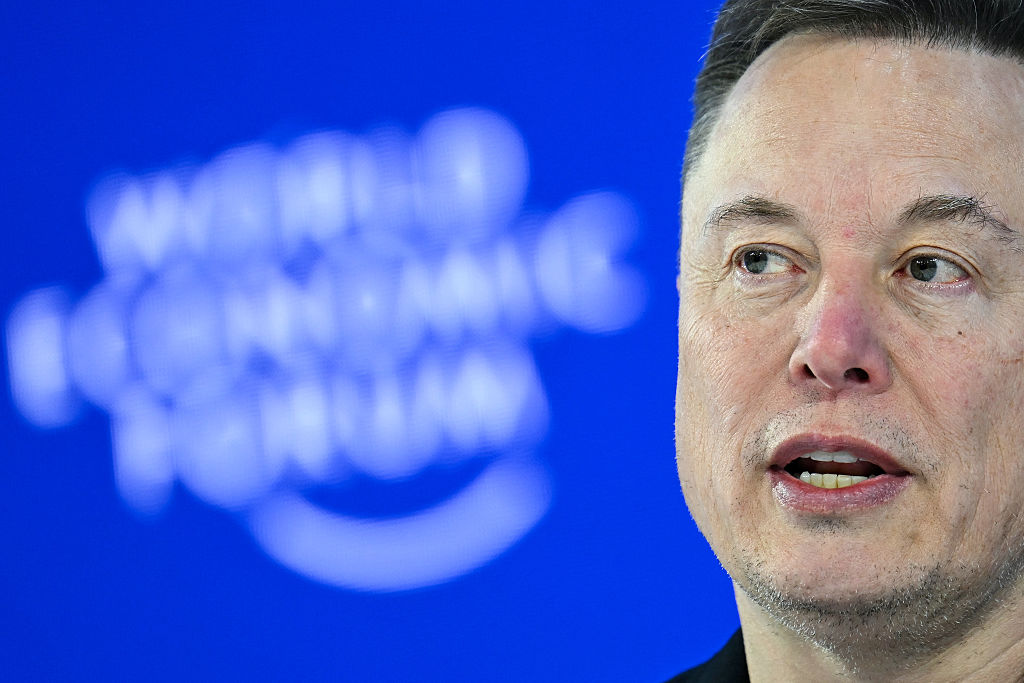
The discussion emerged after social media users questioned whether Anthropic could safely rely on infrastructure controlled by one of its competitors. Musk responded by publicly praising Anthropic's recent AI achievements and rejecting suggestions that he would ever disrupt the company's access to computing resources for competitive advantage.
In a notable reversal from previous public criticism, Musk acknowledged that he had underestimated Anthropic's trajectory. He described the company as the current leader in artificial intelligence, praising its Mythos/Fable model family while expressing confidence that future generations would continue raising the industry's performance standards.
The change in tone reflects a broader commercial reality. Anthropic has evolved from a market competitor into one of SpaceX's most significant enterprise customers through a long-term computing agreement that demonstrates the growing separation between AI model development and AI infrastructure services.
Under the agreement, Anthropic secured approximately 300 megawatts of computing capacity from infrastructure associated with SpaceX's AI operations. The multi-year contract reportedly extends through 2029 and represents tens of billions of dollars in projected revenue, making it one of the largest infrastructure agreements signed within the artificial intelligence sector.
The scale of the deal highlights an emerging business model in which infrastructure providers generate substantial recurring revenue by supplying computing capacity to competing AI developers. Rather than viewing rivals exclusively as competitors, companies are increasingly monetizing their data centers by serving the broader AI ecosystem.
Musk argued that commercial relationships should remain independent from competitive rivalries. Pointing to Tesla's long-standing policy of allowing other manufacturers to use certain patented technologies in good faith, along with the opening of its Supercharger ecosystem, he presented those decisions as evidence that his companies historically support industry-wide technological progress despite intense market competition.
Nevertheless, the relationship raises strategic questions extending beyond contractual commitments. Hosting another leading AI developer's infrastructure inevitably provides operational proximity that few competitors would normally possess. Although customer data and model operations are expected to remain protected through contractual, technical, and security safeguards, the arrangement illustrates the increasingly interconnected nature of the AI infrastructure market.
Another factor influencing industry discussions is the growing attention surrounding AI model distillation, a process through which developers analyze outputs from competing models to improve their own systems. The practice has become a major concern across the industry as companies invest heavily in protecting proprietary model capabilities while simultaneously collaborating through shared infrastructure providers.
Anthropic itself has previously raised concerns about unauthorized model distillation involving external AI developers, underscoring why infrastructure trust has become a strategic consideration alongside cybersecurity and intellectual property protection. Large enterprise customers increasingly evaluate providers not only on computing performance and pricing but also on governance, neutrality, confidentiality, and operational transparency.
From SpaceX's perspective, maintaining strong relationships with major AI companies offers substantial commercial advantages. Long-term infrastructure contracts provide predictable revenue streams while allowing engineering teams to support some of the world's most demanding AI workloads, strengthening technical expertise that can benefit future infrastructure expansion.
More broadly, the agreement reflects the rapid evolution of the AI economy. Infrastructure providers, cloud operators, semiconductor manufacturers, and frontier model developers are becoming increasingly interdependent despite competing across adjacent markets. Companies that successfully balance commercial partnerships with competitive neutrality may emerge as the foundational platforms supporting the next generation of artificial intelligence.
As investment in AI infrastructure continues accelerating worldwide, trust is becoming a strategic asset alongside computational capacity. The long-term success of partnerships like the one between SpaceX and Anthropic will depend not only on contractual obligations but also on maintaining confidence that commercial collaboration can coexist with intense technological competition.
News You Should See
2026 Nobel Medicine Prize Honors Scientists Behind Optogenetics Breakthrough
Oil Prices Edge Lower as Stronger Middle East Exports and G7 Reserves Ease Supply Concerns
Trump Offers U.S. Assistance to Russia After Death at Siberian Plague Research Institute
Trump Takes Economic Message to Nebraska as GOP Faces Rising Cost-of-Living Pressure
U.S. Appeals Court Weighs Trump Administration’s $2.6 Billion Harvard Funding Fight
U.S. Midterm Elections Begin With Resilient Jobs Market and Persistent Cost Pressures
Latest News
The 2026 Nobel Prize in Physiology or Medicine honors Karl Deisseroth, Peter Hegemann and Georg Nagel for pioneering research behind optogenetics and its impact on neuroscience.
Oil prices edged lower as stronger Middle Eastern exports and a planned G7 release of 100 million barrels eased immediate supply concerns, while Gulf security risks and the Strait of Hormuz kept markets alert.
President Donald Trump said the United States would help Russia if needed after a laboratory worker died at a Siberian plague research institute, as Russian authorities imposed precautionary quarantine measures.
Trump’s Nebraska campaign stop highlights rising fuel and grocery costs, beef prices and growing economic pressure on Republicans ahead of the November midterm elections.
A U.S. appeals court is reviewing the Trump administration’s effort to cut Harvard’s federal research funding, with more than $2.6 billion at stake.
The U.S. enters the 2026 midterm elections with unemployment at 4.2%, while higher living and energy costs create economic pressure for households and businesses.
US services growth eased in September as input prices climbed to their highest level since July 2022, with fuel costs, supply-chain disruptions and strong demand increasing pressure on businesses.
Rising Treasury yields are increasing U.S. borrowing costs as Washington manages record debt, persistent inflation and strong economic demand, narrowing its policy options.
A EGP 16 million corporate partnership will establish and equip a bone marrow transplant unit at Cairo’s Coptic Hospital, supporting access to specialized treatment for patients.