Mondelēz Redefines the Cookie’s Role in the Modern Snacking Economy
The Oreo and Chips Ahoy! maker is combining product innovation, cultural marketing and new consumption occasions to help cookies compete for a larger share of today’s crowded snacking market.

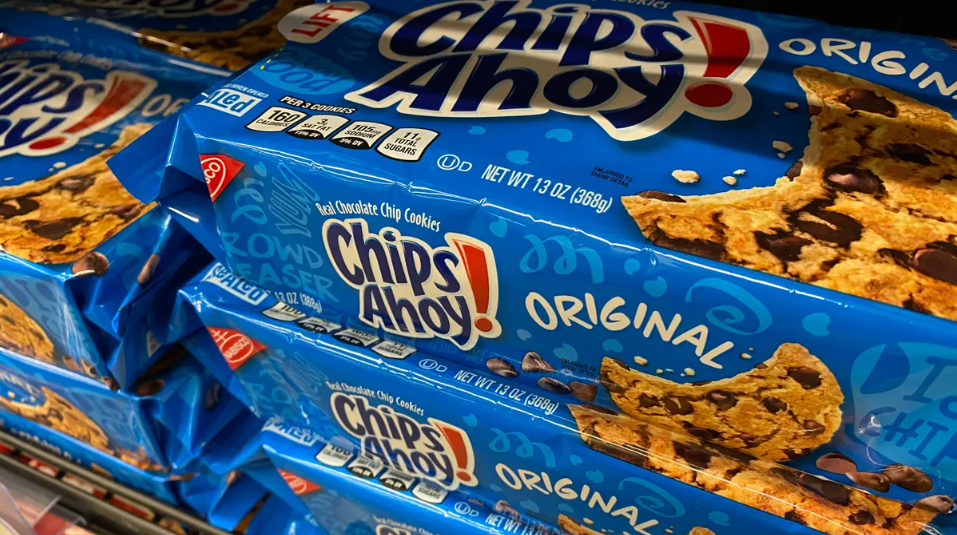
Mondelēz International is pursuing a broader transformation of the cookie category as competition for consumers’ snacking habits becomes increasingly intense. The company behind Oreo and Chips Ahoy! is no longer relying only on the historical strength and familiarity of its brands. Instead, it is combining product innovation, cultural marketing, digital commerce and new consumption occasions to position cookies as a more relevant choice alongside chips, candy and other snack categories. The strategy reflects a wider shift in the food industry, where established brands must continuously create new reasons for consumers to engage with products that have been part of household routines for decades.
The opportunity is significant, but so is the challenge. The U.S. cookie market is estimated to reach $18.9 billion in sales during 2026, placing the category at the center of a major consumer market. However, growth is expected to slow to approximately 1.2% as pressure on discretionary spending and changes in snacking frequency affect demand. Mintel data also points to a structural transformation in the category, with consumers moving away from habitual snacking toward more intentional choices linked to specific occasions. Changes in eating patterns and the growing use of GLP-1 medications are contributing to this shift, creating a more complicated environment for companies that have traditionally depended on frequent, routine consumption.
For Mondelēz, the strategic question is therefore larger than simply increasing cookie sales. The company is attempting to redesign how consumers think about cookies and where the category fits into modern lifestyles. Cookies have historically been associated with familiar and nostalgic moments, from after-school snacks to family gatherings and treats at a grandparent's home. That emotional connection remains one of the category's strongest branding assets, but it can also limit how consumers perceive the product. Mondelēz is now seeking to preserve that emotional heritage while moving cookies into more contemporary cultural and lifestyle occasions.
One of the biggest threats facing the category is the declining default relevance of cookies, particularly among younger consumers. Gen Z and other younger audiences are surrounded by an expanding range of snack choices and often expect novelty, variety and new experiences. In such an environment, even an iconic brand can gradually lose its position in the consumer's regular purchasing rotation if it does not continue to evolve. This makes innovation an essential part of brand strategy rather than simply an occasional tool for launching new products.
Mondelēz is responding with products designed to create variety and encourage discovery. Its innovation pipeline includes Oreo Zero Sugar Cookies, Chips Ahoy! Baked Bites, mystery flavors and distinctive limited-time releases. These products are designed to appeal to consumers looking for different experiences while allowing the company's established brands to enter new product spaces. The approach demonstrates how legacy brands can be treated as flexible platforms. Rather than changing the core identity of Oreo or Chips Ahoy!, Mondelēz can build new formats, flavors and experiences around names that already carry strong consumer recognition.
This balance between familiarity and novelty is particularly important from a brand design perspective. A company with a highly recognizable product cannot simply abandon its established identity in pursuit of younger consumers. At the same time, repeating the same product experience indefinitely can make a brand appear disconnected from changing consumer expectations. Mondelēz is attempting to solve this challenge by preserving the visual and emotional equity of its major brands while regularly introducing new reasons for consumers to rediscover them.
The company is also investing heavily in marketing connected to major cultural moments. Campaigns tied to the World Cup and the latest Toy Story movie demonstrate a strategy that moves cookies beyond traditional food advertising. Instead of presenting the product only as something to purchase and consume, Mondelēz is working to place its brands inside entertainment, events and wider cultural conversations. This gives Oreo and Chips Ahoy! additional opportunities to build relevance in the environments where consumers are already spending their attention.
Cultural participation has become increasingly important for consumer brands. Competition is no longer limited to supermarket shelves, where products compete based on packaging, price and placement. Brands now also compete for visibility on social platforms, within entertainment and across digital communities. A product that successfully becomes part of a cultural conversation can generate a level of relevance that traditional advertising alone may struggle to achieve. Mondelēz's strategy reflects this reality by treating marketing as a mechanism for expanding the role of cookies within consumers' lifestyles rather than simply promoting individual products.
Digital and social commerce are also becoming more important to the company's approach. Mondelēz is increasing its activity on social media and TikTok Shop as a growing number of Gen Z consumers use these platforms to discover products, seek inspiration and make purchases. The convergence of entertainment and commerce is creating new opportunities for food brands, particularly when products can be connected to recipes, trends, reviews, limited editions and creative experiences.
For Mondelēz, social platforms provide more than an additional advertising channel. They create a space where brands can experiment with ideas, respond to cultural moments and present products in ways that feel more connected to consumer behavior. A cookie can gain attention not only through a conventional campaign, but through its role in a recipe, a social trend or a visually distinctive experience. This gives established brands a way to refresh their presence without requiring consumers to completely rethink what the brand represents.
Another major element of Mondelēz's strategy is the expansion of consumption occasions. The company sees significant potential in encouraging consumers to use cookies as ingredients in desserts prepared at home and in other new formats. According to Mintel data cited in the report, more than half of consumers are open to using cookies in new ways. This creates an opportunity to extend the product's role beyond direct snacking and generate additional occasions for purchase and consumption.
Mondelēz has already begun to build on this opportunity through brands such as Honey Maid, which it promotes as an ingredient for making s'mores. The company is also encouraging consumers to incorporate cookies into home baking by sharing recipes online and through product packaging. This strategy is important from an economic perspective because it increases the number of situations in which a consumer may consider purchasing the product. Rather than competing only for the moment when someone wants a ready-to-eat snack, cookies can also become part of a larger home dessert or cooking experience.
The company's efforts appear to be generating results. Mondelēz reported that sales of biscuits and baked snacks increased by 2.5% during its second quarter, with brands including Oreo and Chips Ahoy! contributing to that growth. The performance suggests that innovation and broader marketing investment may be helping the company maintain momentum in a category facing slower overall growth and changing consumer habits.
At the same time, Mondelēz does not appear to be abandoning nostalgia, which remains deeply connected to the identity of cookies. Instead, the company is attempting to use nostalgia as one layer of a broader brand strategy. The goal is to retain the emotional familiarity that made cookies successful while expanding their relevance through convenience, premium ingredients, playful experiences and modern consumption occasions.
This approach reflects an important evolution in the design of legacy consumer brands. The strongest brands are increasingly required to operate across multiple identities at the same time. They must remain recognizable to long-term consumers while appearing fresh to younger audiences. They must protect their heritage while participating in new cultural conversations. They must maintain familiar products while experimenting with new formats. Mondelēz's cookie strategy illustrates how a large consumer company can attempt to manage these competing demands through a combination of innovation and consistent brand identity.
The broader objective is to change the consumer mindset around cookies. Rather than allowing the category to remain associated primarily with traditional family moments, Mondelēz wants cookies to become part of a wider range of contemporary experiences. This includes convenience-driven snacking, premium treats, playful flavor exploration, entertainment partnerships, digital commerce and home dessert creation.
From an economic perspective, this strategy is about competing for a larger share of consumer attention and spending within the overall snacking market. Chips and candy are not simply alternative products; they compete with cookies for the same moments of consumption. By increasing the number of situations in which cookies feel relevant, Mondelēz can potentially expand the category without relying only on traditional demand.
From a branding perspective, the strategy is equally focused on identity. Oreo and Chips Ahoy! already possess substantial recognition, but recognition alone does not guarantee future relevance. Mondelēz is investing in ways to make these brands visible, culturally connected and adaptable while protecting the familiar elements that consumers already value.
Ultimately, Mondelēz's approach suggests that the future of cookies may depend less on changing the product category itself and more on changing the context around it. Through innovation, cultural participation, social commerce and new consumption occasions, the company is working to transform cookies from a familiar household treat into a more flexible platform within the modern snacking economy. The strategy reflects a larger lesson for established consumer brands: heritage remains valuable, but continued growth increasingly depends on the ability to redesign how that heritage connects with changing lifestyles, consumer expectations and cultural behavior.
News You Should See
2026 Nobel Medicine Prize Honors Scientists Behind Optogenetics Breakthrough
Oil Prices Edge Lower as Stronger Middle East Exports and G7 Reserves Ease Supply Concerns
Trump Offers U.S. Assistance to Russia After Death at Siberian Plague Research Institute
Trump Takes Economic Message to Nebraska as GOP Faces Rising Cost-of-Living Pressure
U.S. Appeals Court Weighs Trump Administration’s $2.6 Billion Harvard Funding Fight
U.S. Midterm Elections Begin With Resilient Jobs Market and Persistent Cost Pressures
Latest News
The 2026 Nobel Prize in Physiology or Medicine honors Karl Deisseroth, Peter Hegemann and Georg Nagel for pioneering research behind optogenetics and its impact on neuroscience.
Oil prices edged lower as stronger Middle Eastern exports and a planned G7 release of 100 million barrels eased immediate supply concerns, while Gulf security risks and the Strait of Hormuz kept markets alert.
President Donald Trump said the United States would help Russia if needed after a laboratory worker died at a Siberian plague research institute, as Russian authorities imposed precautionary quarantine measures.
Trump’s Nebraska campaign stop highlights rising fuel and grocery costs, beef prices and growing economic pressure on Republicans ahead of the November midterm elections.
A U.S. appeals court is reviewing the Trump administration’s effort to cut Harvard’s federal research funding, with more than $2.6 billion at stake.
The U.S. enters the 2026 midterm elections with unemployment at 4.2%, while higher living and energy costs create economic pressure for households and businesses.
US services growth eased in September as input prices climbed to their highest level since July 2022, with fuel costs, supply-chain disruptions and strong demand increasing pressure on businesses.
Rising Treasury yields are increasing U.S. borrowing costs as Washington manages record debt, persistent inflation and strong economic demand, narrowing its policy options.
A EGP 16 million corporate partnership will establish and equip a bone marrow transplant unit at Cairo’s Coptic Hospital, supporting access to specialized treatment for patients.