Millions of Afghans Face Hunger as Humanitarian Crisis Deepens During Harsh Winter
Millions of Afghans Face Hunger as Humanitarian Crisis Deepens During Harsh Winter

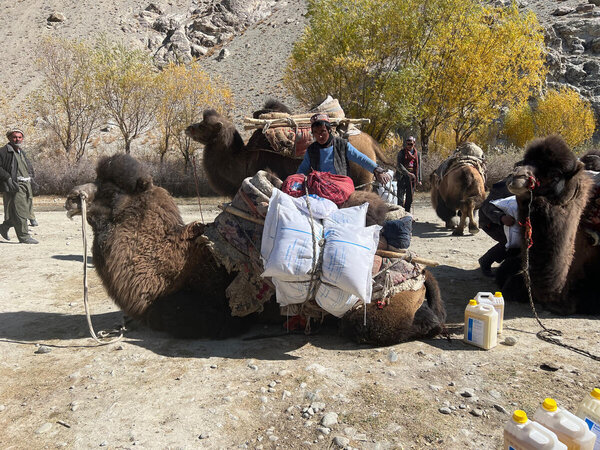
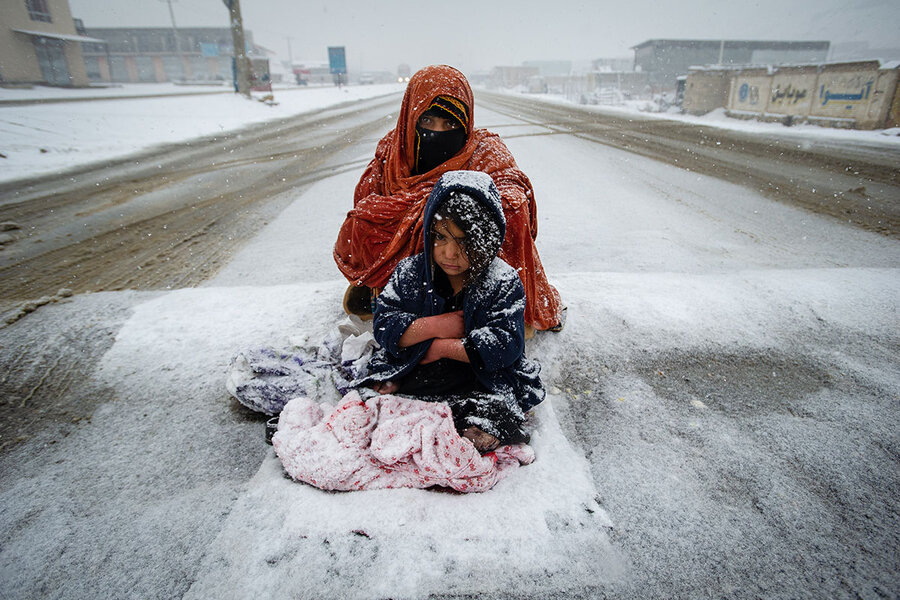
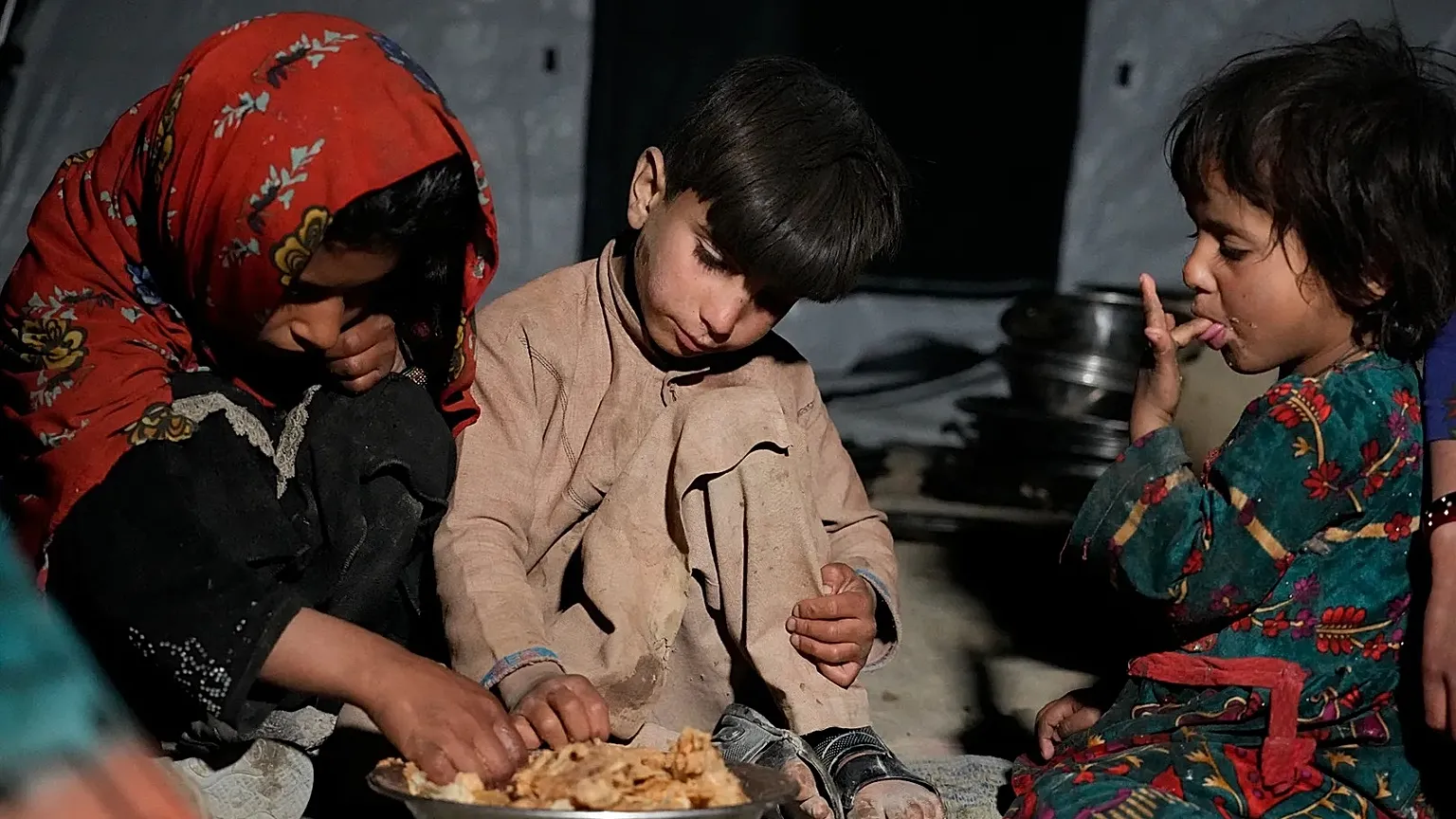
Afghanistan is facing one of the world’s most severe humanitarian crises, with millions of people at risk of acute hunger following a significant reduction in humanitarian aid, as the country endures a harsh winter that has further intensified the suffering of vulnerable families, particularly in rural and remote areas.
Aid Cuts Worsen an Already Dire Situation
The sharp decline in international humanitarian funding has forced relief agencies to scale back food and health assistance programs across the country, leaving millions without adequate support to meet their basic needs. Aid organizations report that limited resources have compelled them to reduce food rations or suspend operations entirely in some regions, despite a growing number of people in need.
More than half of Afghanistan’s population is estimated to be experiencing food insecurity, while millions of children face the risk of acute malnutrition amid fragile healthcare services and the absence of effective social safety nets.
Winter Intensifies Family Hardship
As temperatures drop and snowfall increases, thousands of families are struggling to secure sufficient food and heating fuel. Many households are forced to make painful choices, such as reducing daily meals or selling their few remaining possessions to afford bread and fuel.
Conditions are particularly dire in mountainous areas, where severe weather restricts access and hampers the delivery of humanitarian aid, further isolating communities and endangering the lives of children and the elderly.
Children and Women Most at Risk
Children are among the most severely affected by the crisis, with rising numbers suffering from acute malnutrition that threatens both their development and survival. Women, especially widows and female-headed households, face compounded challenges in providing food and healthcare due to economic hardship and limited employment opportunities.
Humanitarian organizations warn that the continuation of current conditions could result in long-term health and educational consequences for an entire generation.
Complex Drivers Behind the Crisis
The humanitarian emergency in Afghanistan stems from a combination of factors, including economic collapse, frozen financial assets, widespread unemployment, and the legacy of decades of conflict. Natural disasters, such as droughts and floods, have also devastated livelihoods, particularly in the agricultural sector.
Experts say ongoing political and economic instability continues to hinder recovery efforts, leaving the country heavily dependent on external aid.
Urgent Appeals to the International Community
Humanitarian agencies have issued repeated appeals for immediate and increased funding to avert a broader catastrophe, warning that any delay in response could lead to significant loss of life during the winter months.
They emphasize that humanitarian assistance must remain neutral and free from political considerations to ensure that food, healthcare, and essential services reach those most in need.
An Uncertain Future Amid Ongoing Suffering
With international support continuing to decline, millions of Afghans remain trapped between poverty, hunger, and extreme cold, with no clear prospect of improvement. As winter reaches its peak, fears are mounting that the humanitarian crisis will worsen unless urgent measures are taken to secure food supplies and life-saving assistance.
Afghanistan today stands as a stark reminder of a humanitarian emergency that demands swift and sustained international action before the suffering of millions becomes an irreversible tragedy.
News You Should See
P&G Raises Fiscal 2027 Cost Warning as Oil and Freight Expenses Threaten Profits
Chemical Tank Leak in Toledo Triggers Evacuations and Industrial Disruptions
Judge Sets December 11 Deadline for Trump Deposition in BBC Defamation Case
Iowa Senate Race Tests How Far Republicans Can Separate Themselves From Trump
California State Workers Strike Over Pay, Healthcare and Return-to-Office Rules
Streaming’s October Showdown: How Disney, Netflix and Major Entertainment Brands Compete for Audiences
Latest News
Procter & Gamble expects commodity, energy and transportation costs to reduce fiscal 2027 profit by $1.4 billion. Quarterly sales rose 4% to $23.28 billion, beating analyst expectations.
A ruptured chemical tank in Toledo, Ohio, prompted evacuations, school closures and an industrial shutdown. Authorities have reduced the restricted zone as the release slows and cleanup preparations continue.
A federal judge has ordered Donald Trump to give a deposition by December 11, 2026, in his $10 billion lawsuit against the BBC, with possible sanctions for noncompliance as the discovery deadline approaches.
Iowa’s 2026 Senate race pits Republican Ashley Hinson, balancing Trump support with economic concerns, against Democrat Josh Turek, who emphasizes bipartisanship amid rising campaign spending.
Thousands of California state workers struck on October 21 over a proposed three-year pay increase, healthcare costs and a four-day office attendance requirement as contract negotiations continued.
October 2026 brings major entertainment releases across Disney+, Netflix, HBO Max, Hulu, Prime Video and Peacock. Explore how familiar franchises, exclusive programming, new music and video games shape competition for streaming audiences.
Saudia advises travelers to book flights through Al Qassim Airport for Riyadh connections, offering free hourly shuttle buses in both directions until further notice.
An AP-NORC poll shows Democratic confidence in accurate vote counting falling to 55%, while Republican confidence rises to 38%, highlighting election integrity concerns ahead of the 2026 US midterms.
Donald Trump campaigns in North Carolina ahead of the November 2026 midterms as low approval ratings, rising fuel costs, Democratic early-voting gains and funding disparities challenge Republican efforts to retain control of Congress.