Middle East War and Rising Debt Put Global Economic Growth Under Pressure
IMF and World Bank meetings in Bangkok will focus on energy supply risks, inflation, mounting public debt and the growing financial challenges facing developing economies as geopolitical tensions threaten the global outlook.

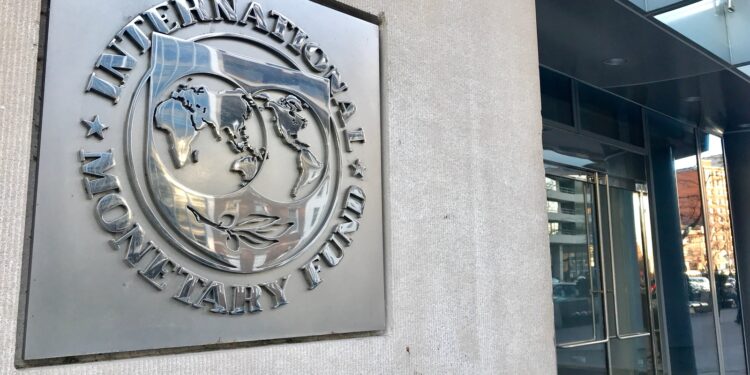
The economic consequences of the war in the Middle East are set to dominate discussions among international finance officials as the International Monetary Fund and World Bank hold their annual meetings in Bangkok this week. The gathering comes at a time when rising energy costs, expensive fertilizer, mounting government debt and higher interest rates are creating a difficult environment for economies already struggling to sustain growth.
The conflict involving the United States, Israel and Iran has entered its eighth month, with disruptions to energy supplies adding a new layer of uncertainty to the global outlook. The closure of the Strait of Hormuz, through which approximately 20% of the world's oil normally passes, has exposed the vulnerability of international energy markets to geopolitical shocks. Although the global economy initially proved more resilient than anticipated, pressure is building again as the effects of the conflict spread through fuel prices, production costs and public finances.
For policymakers, the challenge is no longer limited to securing additional oil supplies. The interaction between energy inflation, agricultural input costs, borrowing expenses and government debt is making economic management increasingly complicated. The Bangkok meetings are therefore expected to focus on how governments and international institutions can respond to overlapping shocks without undermining financial stability or weakening already fragile growth.
Energy Costs Become a Broader Economic Threat
The pressure on energy markets illustrates how a geopolitical crisis can extend far beyond the countries directly involved. Higher diesel prices raise operating expenses for freight companies, manufacturers, farmers and other businesses that depend on transportation or fuel-intensive production. As companies absorb these costs or pass them on to customers, the effects can reach consumer prices and household purchasing power.
Fertilizer prices present a related concern. Higher agricultural input costs can increase food production expenses, placing additional pressure on food prices in countries where households already devote a substantial share of their income to basic necessities. The simultaneous rise in energy and fertilizer costs also complicates efforts by central banks to bring inflation under control, particularly if businesses and consumers begin expecting price increases to persist.
World Bank President Ajay Banga has warned that these pressures are converging with the risk of an unusually strong El Niño weather pattern. Potentially disruptive weather could intensify heat and agricultural challenges, adding another source of uncertainty to food supplies and economic activity. The combined effect matters more than any individual risk because governments may have to respond to higher import bills, weaker production and greater demand for public assistance at the same time.
International efforts to stabilize supplies have included a Group of Seven agreement to release 100 million barrels of diesel and crude oil from emergency reserves. U.S. President Donald Trump also announced an arrangement with Russia intended to deliver additional diesel to global markets, alongside a temporary waiver of U.S. sanctions. The move drew criticism from Ukrainian President Volodymyr Zelenskiy because of its implications for sanctions intended to restrict Russian revenues during the war in Ukraine.
More than one billion barrels of oil had been released, mainly from commercial onshore inventories, since the conflict began on February 28, according to the report. However, industry executives have warned that readily accessible stocks are diminishing. This creates a significant distinction between the volume of oil already released and the amount of supply that remains available to respond to another disruption. As inventories become harder to draw upon, markets may become more sensitive to new supply interruptions and changes in expectations.
Public Debt Limits Governments' Room to Respond
The energy shock is unfolding against a deteriorating public-debt backdrop. The IMF has warned that global public debt is at its highest level since World War Two and could exceed 100% of global gross domestic product before 2030. The growing debt burden is a concern not only because governments must devote more resources to interest payments, but also because it can reduce their ability to respond to economic emergencies.
Advanced economies, including the United States, have some of the highest debt-to-GDP ratios. Yet emerging markets and lower-income countries face particularly difficult conditions because they often have less access to affordable financing and greater exposure to external shocks. When interest rates rise in the United States, investors may shift capital toward dollar-denominated assets, making it harder and more expensive for developing economies to attract funding.
The pressure is especially acute where debt-servicing costs already consume a substantial share of government revenue. Interest payments in developing countries exceed 10% of revenue on average, according to the report. When a larger portion of public funds goes toward servicing existing obligations, governments have less room to finance infrastructure, health care, education and measures to protect vulnerable households from higher living costs.
The result can be a difficult policy choice. Governments may raise taxes, reduce public spending or seek new borrowing, but each option carries economic and political costs. Spending cuts can weaken demand and public services, while tax increases can place additional pressure on households and businesses. Borrowing more may provide temporary relief but can deepen existing vulnerabilities if financing becomes more expensive.
Developing Economies Face Difficult Financing Decisions
The challenges confronting developing countries extend beyond the immediate impact of the war. Higher global interest rates, volatile commodity prices, climate-related risks and limited investment in artificial intelligence and other productivity-enhancing technologies can widen the gap between countries with strong financial resources and those struggling to fund development.
The Group of Twenty introduced a temporary suspension of debt-service payments for the poorest countries during the early stages of the COVID-19 crisis. Diplomats now indicate that support for reviving a similar arrangement is limited, with political constraints and high debt levels complicating negotiations. Without meaningful relief, governments facing repayment pressure may have to make difficult choices about essential services and development spending.
The IMF is also reviewing the conditions attached to its lending programs. Proposals for fewer but deeper reforms have raised concerns among some lower-income countries that new financing could come with more demanding adjustment requirements. Such measures may be intended to improve fiscal sustainability and restore confidence, but their design and timing can have significant consequences for employment, public services and domestic demand.
Kenya provides an example of the political difficulties involved. The country sought to avoid debt restructuring by cutting public expenditure and attempting to increase tax revenue, but the measures triggered significant protests, particularly among young people. The experience highlights the challenge facing governments that must demonstrate fiscal discipline while responding to public demands for jobs, affordable living costs and adequate services.
For international financial institutions, the issue is therefore not simply whether countries should reform their budgets. It is also how reforms can be structured to improve debt sustainability without intensifying economic hardship or undermining confidence in the institutions providing assistance. A failure to address these concerns could weaken support for international lending programs and make future crisis responses more difficult.
Growth Forecasts Face Increasing Uncertainty
Despite the accumulating risks, the IMF has indicated little change in its forecast for global growth of 3% in 2026 and has left open the possibility of a modest upward adjustment to its projection for the following year. However, some countries are expected to face weaker outlooks, including Ukraine and Gulf economies affected by Iranian strikes and sharply reduced energy exports.
The difference between a broadly stable global forecast and worsening conditions in individual countries is important. Aggregate growth can conceal significant disparities between economies that have the resources to absorb higher energy prices and those whose public finances, currencies or import dependence leave them more exposed. A country can face a severe fiscal and household-cost crisis even while the global headline forecast remains relatively unchanged.
The IMF has also highlighted the growing frequency with which sharp increases in food and energy prices trigger crises. When such increases persist, inflation expectations can remain elevated, poverty can worsen and financial stability can come under pressure. For central banks, the challenge is to prevent a supply shock from becoming a longer-lasting inflation problem without imposing unnecessary damage on economic activity.
The World Bank has not yet revised down its global forecasts, but its leadership is monitoring the combined effects of energy prices, fertilizer costs, debt and potential climate disruption. That approach reflects the difficulty of assessing risks that interact rather than occur independently. A disruption to oil supplies can raise transport costs; more expensive fertilizer can raise food prices; and higher borrowing costs can leave governments less able to cushion the impact.
Geopolitics and International Finance Are Increasingly Connected
The choice of Bangkok as the host city also comes as international finance officials confront security concerns surrounding the conflict. More than 10,000 travelers are expected to attend the meetings, while some flight routes to Thailand normally pass through the Middle East. Recent attacks on Saudi airports have added to the logistical and security challenges.
The gathering is taking place outside Washington for the first time in three years. The absence of U.S. Treasury Secretary Scott Bessent, who delegated attendance to two senior officials while dealing with domestic engagements, may complicate discussions among counterparts at a time of heightened tensions over Iran, Russia's war against Ukraine and U.S. sanctions policy toward the International Criminal Court.
The wider lesson for policymakers is that geopolitical events can rapidly become economic and financial problems. The impact of conflict on shipping routes, energy supplies, trade costs, investor confidence and government budgets makes it increasingly difficult to separate national security decisions from international economic management.
The meetings will test whether governments and multilateral institutions can coordinate responses to these interconnected pressures. Immediate priorities include maintaining access to essential energy supplies, preventing inflation from becoming entrenched, addressing unsustainable debt and ensuring that vulnerable economies retain access to financing.
The longer-term challenge is to strengthen the capacity of countries to withstand future shocks. That may require more credible fiscal frameworks, more resilient supply chains, better-targeted public support and investment that improves productivity. Yet the effectiveness of these measures will depend on financing conditions and the willingness of governments to coordinate across political differences.
With accessible oil inventories shrinking and public debt continuing to rise, the margin for policy error is narrowing. The outcome of the Bangkok discussions will help indicate whether international institutions can develop a coordinated response to the current crisis or whether individual countries will be left to manage its economic consequences with increasingly limited resources.
News You Should See
Egyptian Healthcare Leader Dr. Hossam Abdel Maksoud Honored by The New York Foundling
U.S. Producer Prices Surge as Fuel Costs Intensify Inflation Concerns
IMF Calls for Stronger China Stimulus as Growth Slows and Deflation Risks Persist
AI Infrastructure Investment Faces Rising Costs and Greater Investor Scrutiny
Brewers Move Within One Win of World Series as Dodgers Face Elimination
Trump Takes Midterm Campaign to Arizona and Montana as Republicans Face Tougher Races
Latest News
Dr. Hossam Abdel Maksoud, founder of Dawah Pharma and CEO of Community Care Rx, receives recognition from The New York Foundling for his contributions to healthcare access and community service.
U.S. producer prices rose 1.3% in September and 6.3% year over year as gasoline and diesel costs surged, complicating the inflation outlook and Federal Reserve rate expectations.
The IMF urges China to expand fiscal stimulus, strengthen household demand and address its prolonged property crisis as growth is forecast to slow to 4.5% in 2026 and 4.0% in 2027.
Rising borrowing costs and investor caution are reshaping AI infrastructure investment, putting data center debt, project economics and long-term returns under closer scrutiny.
The Milwaukee Brewers beat the Los Angeles Dodgers 6-2 to take a 3-0 NLCS lead. Jake Bauers, Garrett Mitchell and Jackson Chourio powered Milwaukee to the brink of its first World Series appearance since 1982.
Trump campaigned in Arizona and Montana for Republicans as Democrats promoted affordability, healthcare and congressional oversight ahead of the 2026 midterms.
Trump campaigns for Alaska Sen. Dan Sullivan as Democrat Mary Peltola mounts a challenge ahead of the November 3 midterms, with inflation and fuel prices shaping the race.
Aberdeen police urge Heritage Square residents to check for missing valuables after superintendent Nicholas Brent’s arrest. The investigation continues, and the allegations remain unproven.
The Law Offices of Marc S. Albert announced six personal injury and medical malpractice settlements totaling $7.446 million, including cases involving a hospital respiratory emergency, vehicle crashes, a fall and a bicyclist.