Microplastics Found in Blood Samples From Wild Mammals Far From Human Settlements
Scientists identify plastic particles in wildlife more than 40 miles from major infrastructure, raising questions about the reach of environmental contamination.

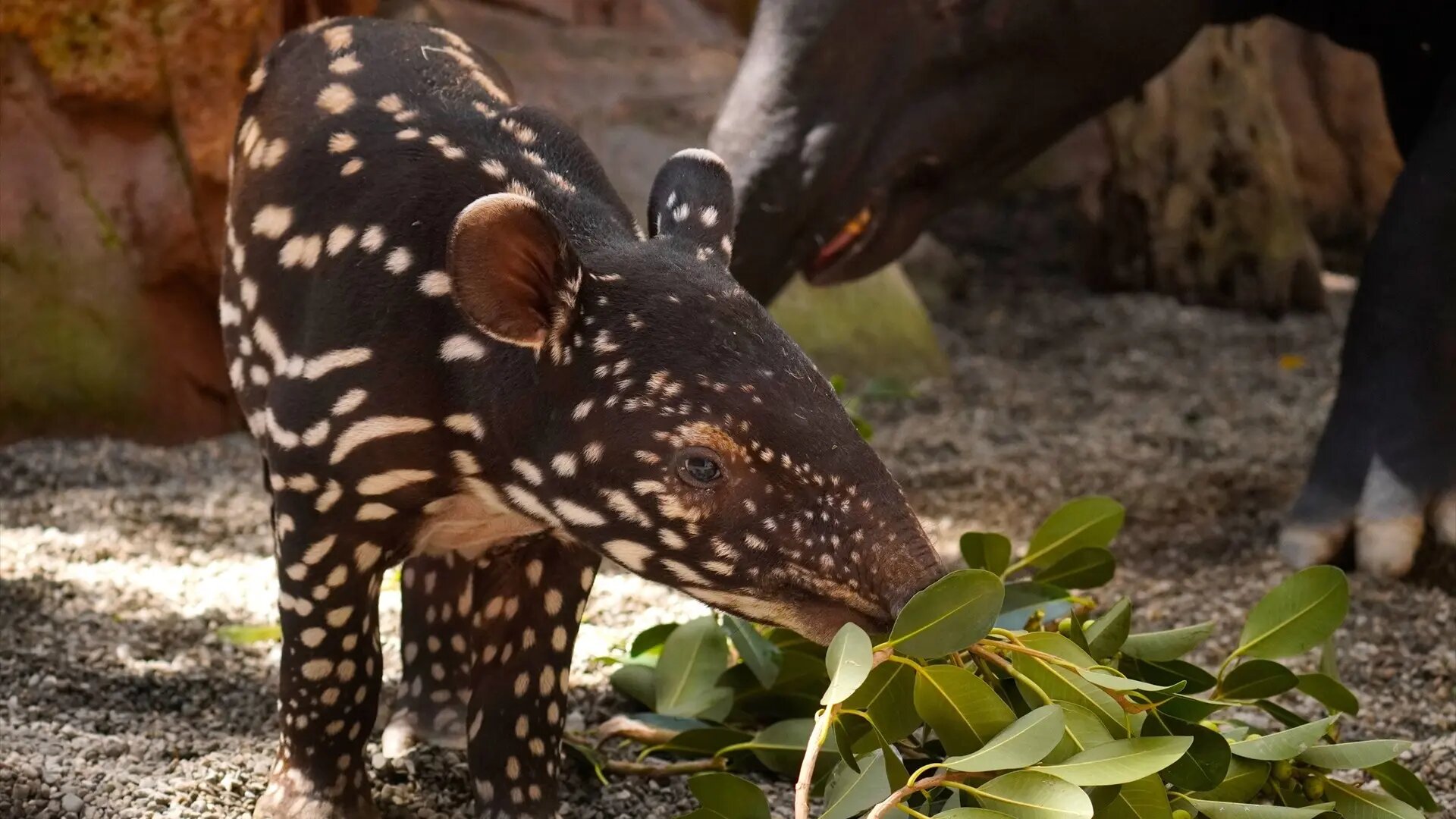
Plastic pollution may be reaching wildlife in places with limited direct human activity, according to new research that identified microplastic particles in blood samples collected from wild mammals.
The findings are particularly significant because the animals included in the research lived more than 40 miles from major human infrastructure. This suggests that the environmental distribution of plastic contamination may extend well beyond cities, industrial areas and densely populated communities.
Microplastics are tiny plastic particles that can enter natural environments through multiple pathways. Their detection in the bloodstream of wild animals provides researchers with another indication of how widespread plastic pollution has become and raises questions about the movement of these materials through ecosystems.
Scientists are now examining how the particles travel across natural landscapes, how wildlife becomes exposed to them and whether their presence could have consequences for animal health. Understanding these processes is important for assessing the broader ecological effects of plastic contamination.
The research adds to growing scientific interest in the presence of plastic particles throughout the natural world. It also highlights the challenges of limiting pollution that can spread beyond the locations where it originally enters the environment.
News You Should See
Thanksgiving Storm Threatens Major US East Coast Travel Routes With Flooding and 60 MPH Winds
Manchester City Prepare for Tactical Battle Against Napoli in Champions League
Arsenal Face Borussia Dortmund in High-Stakes Champions League Test
The Hunger Games: Sunrise on the Reaping Delivers $225 Million Global Box Office Debut
US Data Centers Consume as Much Electricity as Michigan, Harvard Study Reveals
AI Enables a 12,000-Pound John Deere Loader to Perform Two-Wheel Stunts
Latest News
A developing Thanksgiving storm threatens the US East Coast with heavy rain, coastal flooding and wind gusts of up to 60 mph, raising concerns about airport operations, road travel and holiday transportation in major cities.
Manchester City host Napoli in a key Champions League clash, with Haaland, Foden and Cherki expected to lead the English side's attacking efforts.
Arsenal prepare to host Borussia Dortmund in a crucial Champions League clash, with injuries and tactical decisions potentially shaping the outcome.
The Hunger Games: Sunrise on the Reaping earns $225 million worldwide in its opening weekend, strengthening the franchise's box-office position.
Harvard research estimates that 403 US hyperscale data centers consume up to 99 terawatt-hours annually, raising concerns about AI's environmental impact.
Researchers train a 12,000-pound John Deere 332G loader using AI and reinforcement learning to balance on two wheels and perform controlled movements.
Kodak introduces SlideTag, a $34.99 digital photo accessory featuring a 1.54-inch E Ink screen, photo storage, and Bluetooth tracking support.
Samsung may skip next year's Galaxy Watch launch after disappointing sales expectations, potentially shifting to a two-year release cycle while prioritizing software improvements.
Barcelona come from two goals down to beat Villarreal 3-2 at Camp Nou, with Gerard Martín, Fermín López, and Pau Navarro's own goal securing victory.