Meta Expands AI Strategy With New Generation of Smart Glasses
New wearable concepts strengthen Meta’s push to make AI a daily consumer technology

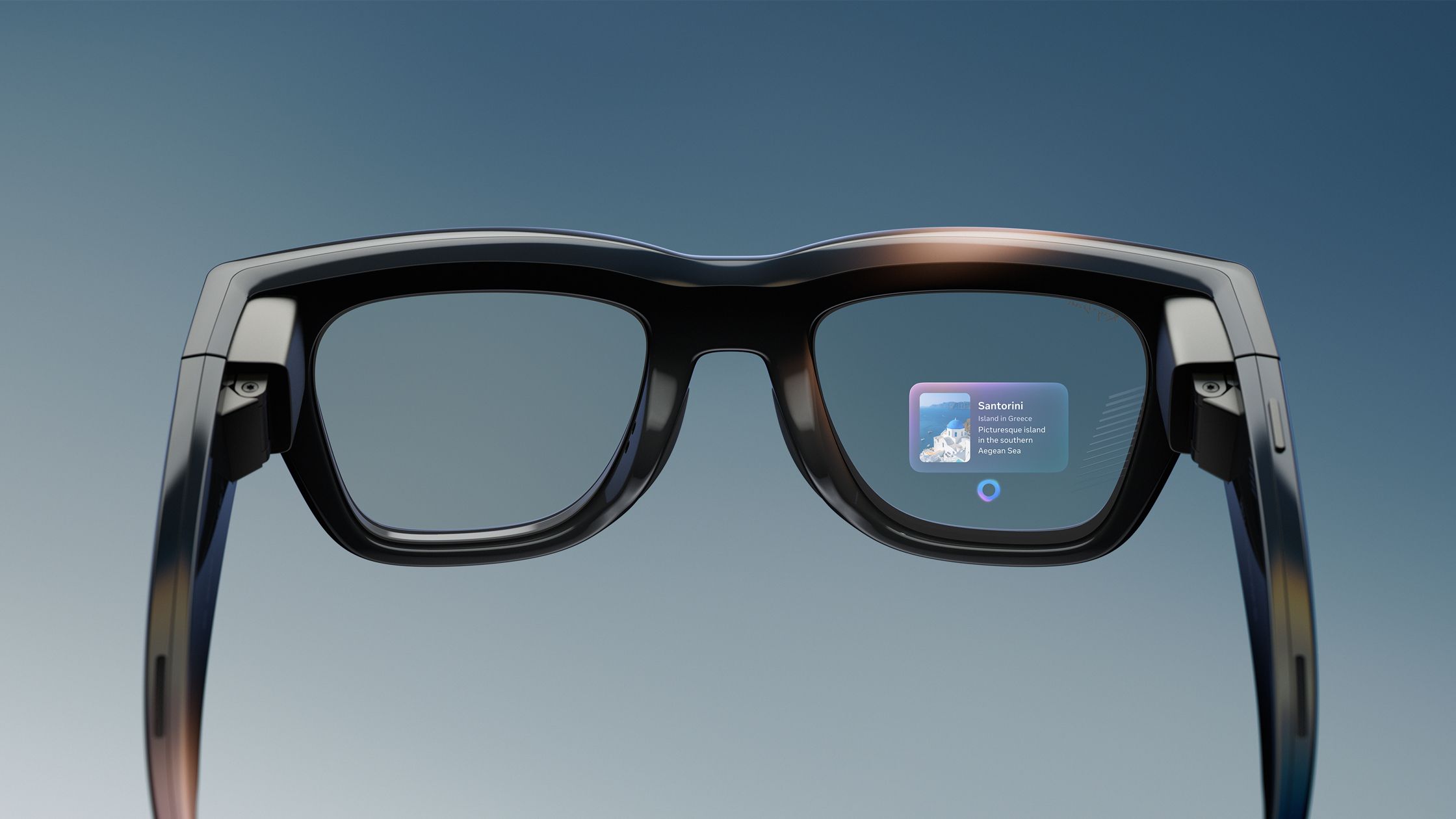
Meta is placing wearable technology at the center of its expanding artificial-intelligence hardware strategy, using a new generation of smart-glasses concepts to explore how consumers could interact with AI beyond traditional computers and smartphones.
The latest devices reflect a broader shift in Meta’s hardware priorities. Rather than treating wearables simply as accessories connected to existing digital products, the company is positioning glasses as a potential interface for AI assistants and other services that can operate throughout the day. That direction gives Meta an opportunity to connect its software capabilities with a physical product that can remain with users in everyday environments.
Privacy is also becoming an important design consideration as wearable technology develops. One of the concepts presented by Meta uses a camera-free approach, addressing concerns surrounding devices capable of recording people and surroundings in public places. The design highlights a commercial challenge facing the category: making AI-powered wearables useful while building enough trust for consumers to use them routinely.
Meta’s strategy comes as the technology industry searches for new ways to extend artificial intelligence beyond screens. Smartphones and computers remain the primary access points for AI services, but wearable devices could offer a more immediate form of interaction by placing digital assistance closer to the user. For Meta, glasses represent a particularly significant opportunity because they can combine computing, connectivity and AI services within a familiar consumer form factor.
The move also has competitive implications. Major technology companies are investing in AI models, computing infrastructure and consumer applications, while simultaneously looking for hardware categories that can create new points of engagement. Establishing a strong position in AI-enabled wearables could allow companies to shape how consumers access their AI ecosystems and potentially create new commercial channels.
For Meta, the importance of the strategy extends beyond the individual products announced at its annual event. Chief Executive Mark Zuckerberg has previously identified wearable devices as part of the company’s longer-term technology direction, while Meta continues to commit substantial resources to artificial intelligence. Developing hardware around those investments could help the company integrate AI more deeply into its consumer ecosystem rather than relying entirely on third-party devices.
The next phase of the market will therefore depend not only on technical capabilities but also on practical adoption. Battery life, privacy, comfort, reliability and the usefulness of AI services will influence whether smart glasses move from an emerging category into a mainstream consumer platform.
Meta’s latest concepts indicate that the company sees wearables as more than a secondary hardware business. They are part of a longer-term effort to establish AI as an everyday interface, with glasses potentially serving as one of the physical gateways between users and the company’s growing artificial-intelligence ecosystem.
News You Should See
2026 Nobel Medicine Prize Honors Scientists Behind Optogenetics Breakthrough
Oil Prices Edge Lower as Stronger Middle East Exports and G7 Reserves Ease Supply Concerns
Trump Offers U.S. Assistance to Russia After Death at Siberian Plague Research Institute
Trump Takes Economic Message to Nebraska as GOP Faces Rising Cost-of-Living Pressure
U.S. Appeals Court Weighs Trump Administration’s $2.6 Billion Harvard Funding Fight
U.S. Midterm Elections Begin With Resilient Jobs Market and Persistent Cost Pressures
Latest News
The 2026 Nobel Prize in Physiology or Medicine honors Karl Deisseroth, Peter Hegemann and Georg Nagel for pioneering research behind optogenetics and its impact on neuroscience.
Oil prices edged lower as stronger Middle Eastern exports and a planned G7 release of 100 million barrels eased immediate supply concerns, while Gulf security risks and the Strait of Hormuz kept markets alert.
President Donald Trump said the United States would help Russia if needed after a laboratory worker died at a Siberian plague research institute, as Russian authorities imposed precautionary quarantine measures.
Trump’s Nebraska campaign stop highlights rising fuel and grocery costs, beef prices and growing economic pressure on Republicans ahead of the November midterm elections.
A U.S. appeals court is reviewing the Trump administration’s effort to cut Harvard’s federal research funding, with more than $2.6 billion at stake.
The U.S. enters the 2026 midterm elections with unemployment at 4.2%, while higher living and energy costs create economic pressure for households and businesses.
US services growth eased in September as input prices climbed to their highest level since July 2022, with fuel costs, supply-chain disruptions and strong demand increasing pressure on businesses.
Rising Treasury yields are increasing U.S. borrowing costs as Washington manages record debt, persistent inflation and strong economic demand, narrowing its policy options.
A EGP 16 million corporate partnership will establish and equip a bone marrow transplant unit at Cairo’s Coptic Hospital, supporting access to specialized treatment for patients.