Meta Expands AI Safety Framework with Parent Alerts for High-Risk Teen Conversations
The new protection system reflects Meta's strategy to integrate AI-driven safety mechanisms into digital experiences while strengthening parental oversight and regulatory compliance.

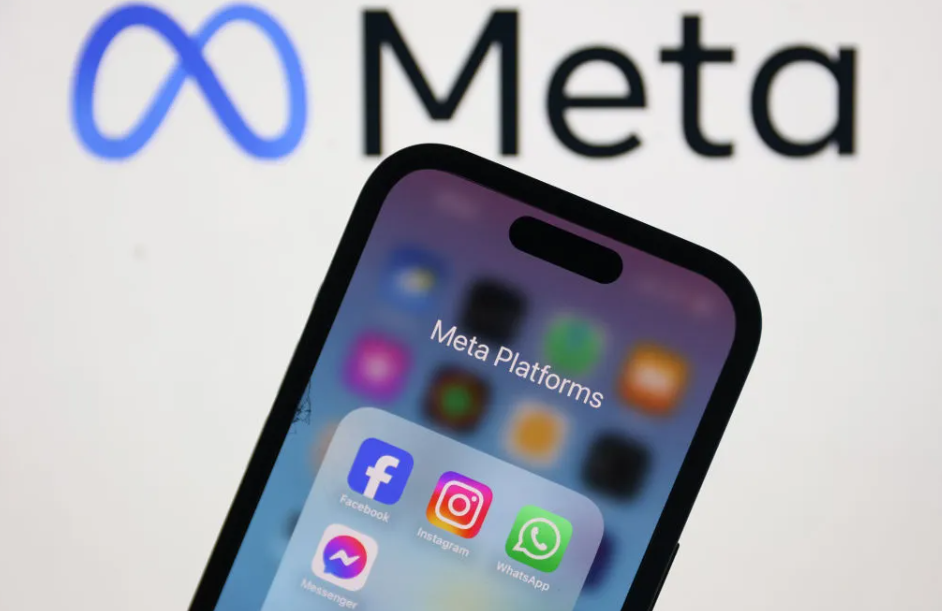
Meta has introduced a new safety feature designed to strengthen protections for teenage users interacting with its artificial intelligence chatbot. The system is intended to notify parents when conversations with the AI indicate possible discussions related to suicide or self-harm, reflecting the company's broader effort to integrate proactive safety mechanisms into its rapidly expanding AI ecosystem.
The initiative comes as generative AI tools become increasingly accessible to younger users. As conversational AI evolves from a productivity tool into an everyday digital companion, technology companies face growing pressure to ensure these systems are capable of recognizing situations involving emotional distress while directing users toward appropriate support resources.
Rather than relying solely on traditional content moderation, Meta's latest approach demonstrates a shift toward contextual risk detection. Advanced AI systems are increasingly being trained to identify conversation patterns associated with mental health crises, enabling platforms to activate additional safeguards when high-risk situations are detected.
From a product design perspective, the feature illustrates how safety is becoming a core element of AI architecture rather than an optional add-on. Responsible AI development increasingly requires developers to embed protective mechanisms throughout the user experience, balancing accessibility with risk mitigation while preserving user trust.
The decision also reflects changing expectations from regulators worldwide. Governments are placing greater emphasis on child safety, algorithmic transparency, and platform accountability as artificial intelligence becomes more deeply integrated into consumer applications. Features that enhance parental awareness may help technology companies demonstrate compliance with emerging digital safety regulations.
Economically, investments in AI safety represent more than regulatory obligations. Trust has become a competitive asset within the technology industry, particularly as companies compete to expand consumer adoption of AI-powered services. Platforms capable of demonstrating robust safeguards may strengthen user confidence, reduce legal exposure, and improve long-term brand value.
The introduction of parental alerts highlights the evolving relationship between artificial intelligence and family digital wellbeing. While teenagers increasingly expect privacy in online interactions, parents and policymakers continue to seek mechanisms that enable timely intervention when significant risks arise. Balancing these competing priorities remains one of the central challenges facing AI developers.
Industry experts generally agree that technological safeguards should complement—not replace—professional mental health support. AI systems can identify indicators that may warrant attention, but they cannot independently diagnose medical conditions or substitute for qualified healthcare professionals. Consequently, responsible AI strategies increasingly focus on connecting users with appropriate human assistance when necessary.
Meta's latest initiative also reinforces a broader transformation in corporate identity. The company has invested heavily in artificial intelligence infrastructure while simultaneously emphasizing responsible innovation, transparency, and digital safety. As competition intensifies among leading AI developers, companies are increasingly differentiating themselves through the quality of their governance frameworks as much as through model performance.
The broader technology industry is likely to watch these developments closely. Similar safety capabilities may become standard across conversational AI platforms as governments introduce new regulatory frameworks and public expectations continue to evolve. Companies that successfully integrate safety, privacy, transparency, and user-centered design into AI products may gain significant strategic advantages over the coming years.
Ultimately, Meta's new parental notification system reflects the growing maturity of artificial intelligence governance. Rather than focusing exclusively on expanding AI capabilities, technology companies are increasingly recognizing that sustainable innovation depends on building systems that are trustworthy, accountable, and designed with user wellbeing at their core.
News You Should See
2026 Nobel Medicine Prize Honors Scientists Behind Optogenetics Breakthrough
Oil Prices Edge Lower as Stronger Middle East Exports and G7 Reserves Ease Supply Concerns
Trump Offers U.S. Assistance to Russia After Death at Siberian Plague Research Institute
Trump Takes Economic Message to Nebraska as GOP Faces Rising Cost-of-Living Pressure
U.S. Appeals Court Weighs Trump Administration’s $2.6 Billion Harvard Funding Fight
U.S. Midterm Elections Begin With Resilient Jobs Market and Persistent Cost Pressures
Latest News
The 2026 Nobel Prize in Physiology or Medicine honors Karl Deisseroth, Peter Hegemann and Georg Nagel for pioneering research behind optogenetics and its impact on neuroscience.
Oil prices edged lower as stronger Middle Eastern exports and a planned G7 release of 100 million barrels eased immediate supply concerns, while Gulf security risks and the Strait of Hormuz kept markets alert.
President Donald Trump said the United States would help Russia if needed after a laboratory worker died at a Siberian plague research institute, as Russian authorities imposed precautionary quarantine measures.
Trump’s Nebraska campaign stop highlights rising fuel and grocery costs, beef prices and growing economic pressure on Republicans ahead of the November midterm elections.
A U.S. appeals court is reviewing the Trump administration’s effort to cut Harvard’s federal research funding, with more than $2.6 billion at stake.
The U.S. enters the 2026 midterm elections with unemployment at 4.2%, while higher living and energy costs create economic pressure for households and businesses.
US services growth eased in September as input prices climbed to their highest level since July 2022, with fuel costs, supply-chain disruptions and strong demand increasing pressure on businesses.
Rising Treasury yields are increasing U.S. borrowing costs as Washington manages record debt, persistent inflation and strong economic demand, narrowing its policy options.
A EGP 16 million corporate partnership will establish and equip a bone marrow transplant unit at Cairo’s Coptic Hospital, supporting access to specialized treatment for patients.