Making Time for Fitness: Smart Lifestyle Strategies for Staying Active in a Busy World
A strategic approach to daily movement demonstrates that consistent physical activity is achievable through better time management, healthier routines, and sustainable lifestyle design.

Modern lifestyles have transformed "lack of time" into one of the most common reasons people give for avoiding regular exercise. Longer working hours, increased academic commitments, family responsibilities, and the constant presence of digital devices have created the perception that physical activity no longer fits into a typical day. However, health experts argue that the issue is often less about the availability of time and more about how individuals prioritize and organize their daily routines.
Research consistently shows that many people spend several hours each day on television, smartphones, social media, and other forms of digital entertainment. While these activities provide relaxation, they also consume valuable time that could be partially redirected toward movement. Even dedicating a small portion of these hours to physical activity can generate significant improvements in overall health, energy levels, and long-term well-being.
From a lifestyle design perspective, maintaining fitness does not necessarily require spending hours inside a gym. Instead, it depends on creating sustainable habits that naturally integrate movement into everyday routines. This strategic approach shifts exercise from being viewed as a separate task to becoming an essential component of daily living, making consistency easier to achieve even for individuals with demanding schedules.
Medical and fitness professionals emphasize that approximately 30 minutes of moderate physical activity per day—equivalent to only about two percent of a full day—can significantly reduce the risk of chronic diseases while improving cardiovascular health, muscle strength, metabolic function, mental well-being, and overall life expectancy. Importantly, these 30 minutes do not need to be completed in one session and can be divided into shorter periods throughout the day.
One practical strategy involves transforming sedentary activities into opportunities for movement. Walking while watching television, using a stationary bicycle during entertainment, performing stretching exercises during breaks, or completing simple bodyweight exercises at home allows individuals to remain active without dramatically changing their schedules.
Morning routines also offer valuable opportunities for increasing physical activity. Waking up slightly earlier to take a brisk walk, jog, or perform a short workout can improve energy levels, enhance concentration throughout the day, and establish a consistent exercise habit before work or family responsibilities begin.
Reducing unnecessary screen time represents another effective solution. By monitoring daily digital consumption and replacing just 30 minutes of recreational media use with walking, cycling, or another enjoyable activity, individuals can substantially increase their weekly physical activity without sacrificing productivity.
Daily responsibilities themselves can also become opportunities for exercise. Walking after dinner with family members, cleaning the house at a faster pace while listening to music, taking stairs instead of elevators, parking farther away from destinations, or using lunch breaks for short walks all contribute to increasing daily energy expenditure while fitting naturally into existing routines.
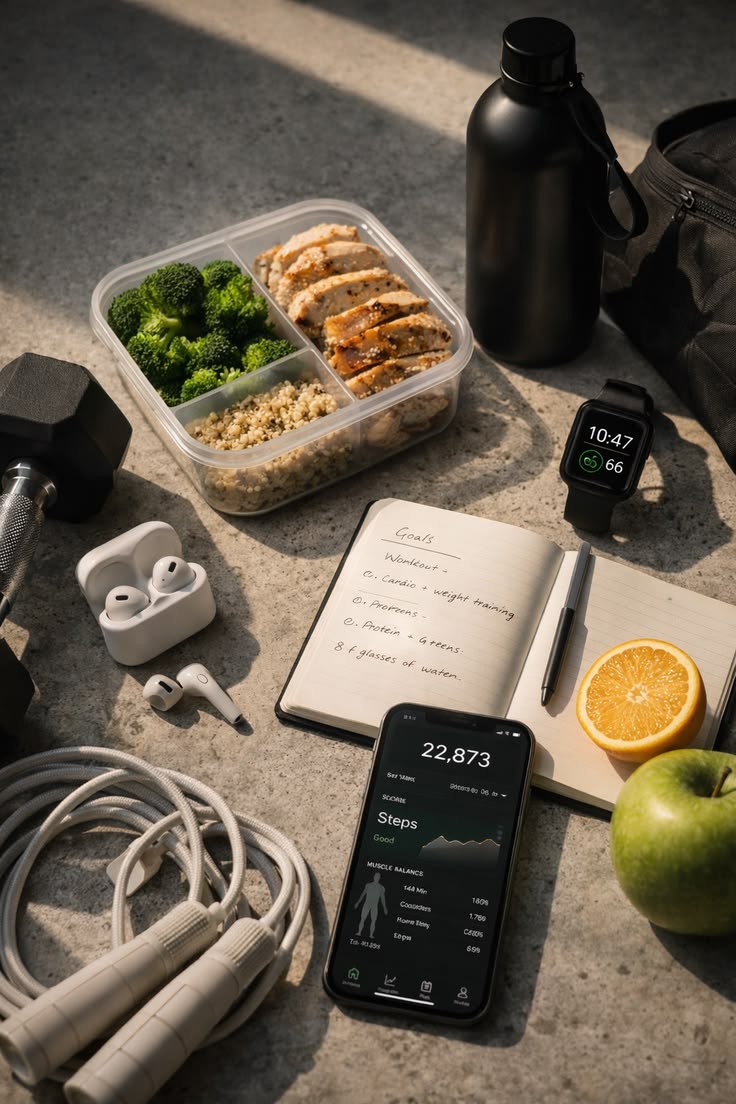
Technology is increasingly supporting healthier behavior as well. Wearable fitness trackers, smartphone pedometer applications, smartwatches, and AI-powered health platforms enable users to monitor daily steps, set activity goals, analyze progress, and receive personalized recommendations. These digital tools encourage accountability while helping users maintain motivation through measurable achievements.
From an economic perspective, investing a relatively small amount of daily time in physical activity can generate substantial long-term value. Regular exercise reduces healthcare costs associated with obesity, cardiovascular disease, diabetes, and other preventable illnesses. It also improves workplace productivity by lowering absenteeism, enhancing cognitive performance, and increasing overall employee well-being, making physical activity beneficial not only for individuals but also for employers and healthcare systems.
The wellness industry has increasingly recognized this shift by promoting accessible fitness solutions designed for busy lifestyles. Digital fitness platforms, home workout programs, wearable technologies, and personalized coaching services have become central elements of modern health brands, reflecting a growing demand for flexible, time-efficient exercise experiences that align with contemporary lifestyles.
Ultimately, staying fit despite a busy schedule is less about finding extra hours and more about making intentional daily choices. Building consistent habits, redesigning routines, embracing simple movement opportunities, and treating physical activity as a long-term investment rather than an occasional obligation allows individuals to improve both their physical health and quality of life. Sustainable fitness is achieved not through perfection, but through small, consistent actions that become part of everyday living.
News You Should See
2026 Nobel Medicine Prize Honors Scientists Behind Optogenetics Breakthrough
Oil Prices Edge Lower as Stronger Middle East Exports and G7 Reserves Ease Supply Concerns
Trump Offers U.S. Assistance to Russia After Death at Siberian Plague Research Institute
Trump Takes Economic Message to Nebraska as GOP Faces Rising Cost-of-Living Pressure
U.S. Appeals Court Weighs Trump Administration’s $2.6 Billion Harvard Funding Fight
U.S. Midterm Elections Begin With Resilient Jobs Market and Persistent Cost Pressures
Latest News
The 2026 Nobel Prize in Physiology or Medicine honors Karl Deisseroth, Peter Hegemann and Georg Nagel for pioneering research behind optogenetics and its impact on neuroscience.
Oil prices edged lower as stronger Middle Eastern exports and a planned G7 release of 100 million barrels eased immediate supply concerns, while Gulf security risks and the Strait of Hormuz kept markets alert.
President Donald Trump said the United States would help Russia if needed after a laboratory worker died at a Siberian plague research institute, as Russian authorities imposed precautionary quarantine measures.
Trump’s Nebraska campaign stop highlights rising fuel and grocery costs, beef prices and growing economic pressure on Republicans ahead of the November midterm elections.
A U.S. appeals court is reviewing the Trump administration’s effort to cut Harvard’s federal research funding, with more than $2.6 billion at stake.
The U.S. enters the 2026 midterm elections with unemployment at 4.2%, while higher living and energy costs create economic pressure for households and businesses.
US services growth eased in September as input prices climbed to their highest level since July 2022, with fuel costs, supply-chain disruptions and strong demand increasing pressure on businesses.
Rising Treasury yields are increasing U.S. borrowing costs as Washington manages record debt, persistent inflation and strong economic demand, narrowing its policy options.
A EGP 16 million corporate partnership will establish and equip a bone marrow transplant unit at Cairo’s Coptic Hospital, supporting access to specialized treatment for patients.